






Footwear's Silent Impact
Many people prioritize style and brand over the fundamental support their feet require, often only realizing the problem when persistent joint pain emerges.
Orthopaedic specialists highlight that footwear is a significantly underestimated contributor to our skeletal well-being. The shoes we wear daily subtly dictate our posture, influence our balance, and determine how stress propagates throughout our entire body. The consequences of wearing the wrong shoes aren't typically felt immediately; rather, discomfort accrues gradually, making it difficult for individuals to connect their joint aches to their shoe choices. It's a slow, insidious process that can lead to chronic issues if left unaddressed.
The Crucial Role of Shock Absorption
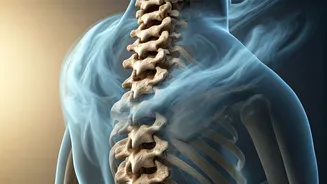
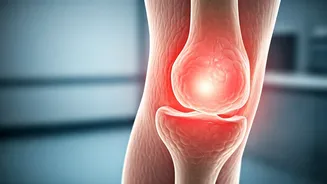
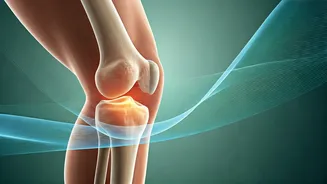
While often perceived solely as a comfort feature, cushioning in footwear plays a vital medical role in mitigating joint strain. Shoes lacking adequate shock-absorbing capabilities directly transmit the jarring impact of each step to the body's joints. This constant, repetitive stress significantly burdens the knees and the spine, particularly for individuals who spend extensive periods standing or walking. Over weeks and months, this cumulative strain can manifest as stiffness and chronic pain, especially in the lower back region. Proper cushioning acts as a crucial buffer, absorbing impact and preventing undue stress from reaching delicate joint structures.
Common Foot Ailments Linked
Improperly fitting shoes can lead to more than just superficial discomfort like blisters. Orthopaedics frequently treat injuries such as sprains and fractures, often stemming from unstable soles or inadequate grip, which compromise stability. Furthermore, inadequate footwear can disrupt the foot's natural biomechanics, leading to specific foot conditions. These include the development of painful bunions, which are bony lumps forming near the big toe, and conditions like hammertoes and claw toes. These deformities can arise from muscle imbalances within the foot, eventually altering the alignment and shape of the toes over time.
Selecting Joint-Friendly Shoes
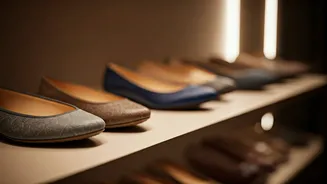
Experts advocate for a proactive approach to footwear selection to safeguard joint health. Key considerations include ensuring that the shoe's arch support is designed to complement an individual's unique foot structure, rather than offering a generic, one-size-fits-all solution. Robust cushioning remains essential for effective shock absorption, while a firm heel counter is indispensable for maintaining balance and upright posture. The importance of a proper fit cannot be overstated; shoes that have lost their cushioning or structural integrity are significantly less effective at protecting joints. While factors like aging, weight, or demanding work hours are often blamed for joint pain, the root cause might simply be the shoes worn daily. Paying close attention to how footwear supports movement, not just its aesthetic appeal, is a significant step towards preserving long-term mobility.