





Vision for Banswara
The Rajasthan government is embarking on an exciting endeavor to transform the scenic expanse surrounding the Mahi Dam in Banswara into a prominent tourist
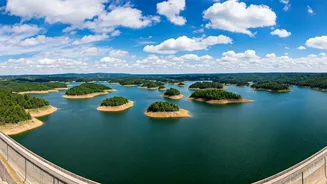
attraction. This strategic development hinges on highlighting the area's distinctive geographical feature, famously known as the 'City of Hundred Islands.' These numerous islets dotting the Mahi River reservoir offer a unique natural canvas. The initiative aims to create a master plan that will guide the creation of a world-class tourism destination. This plan prioritizes environmental responsibility alongside economic growth, ensuring that the natural beauty and ecological balance of the region are preserved while simultaneously generating new employment avenues for the local populace. The vision is to craft an experience that is both exhilarating for visitors and beneficial for the community and the environment.
Eco-Friendly Tourism Focus
Central to the Mahi Dam development project is a strong commitment to regulated and environmentally conscious tourism. The Water Resources Minister, Suresh Rawat, emphasized that the master plan will meticulously outline strategies for promoting activities that minimize ecological impact. This includes a dedicated focus on water conservation efforts, ensuring that the development does not deplete precious water resources. Furthermore, the plan will identify opportunities for sustainable water sports and other recreational pursuits that align with ecological principles. The overarching goal is to foster a tourism model that not only attracts visitors with its natural splendor and unique island landscape but also champions environmental stewardship, setting a precedent for responsible tourism practices within the region.
Expert Committee Formation
To meticulously craft and oversee this ambitious tourism development, a specialized committee has been established. Chaired by the Udaipur divisional commissioner, this multidisciplinary team comprises key officials from various government departments, ensuring a holistic approach. Members include the Banswara district collector, chief engineer of the Mahi Project Construction Circle (who also serves as the member secretary), deputy conservator of forests, superintending engineer from the public health engineering department, a representative from the state pollution control board, an assistant town planner, and the assistant director of tourism. The Water Resources Department will act as the nodal authority, coordinating efforts and ensuring effective implementation of the master plan. This diverse expertise guarantees that all facets of development, from environmental protection to infrastructure and visitor management, are thoughtfully addressed.
Operational Guidelines
The expert committee will be instrumental in formulating comprehensive guidelines that will govern all aspects of tourism development and operation around Mahi Dam. These guidelines will cover critical areas such as land use planning, precise demarcation of areas for development, and the processes for leasing or allotting both government and private land. A significant focus will be placed on the regulation of water sports and other tourist activities to ensure they are conducted safely and sustainably within the dam's catchment area and on the surrounding islands. Paramount importance will be given to strict adherence to environmental norms, with robust measures in place to prevent any form of pollution. This proactive approach aims to safeguard the pristine environment while creating a well-managed and enjoyable experience for all visitors.
Enhancing Appeal
The Mahi Dam region, already a draw for its natural beauty characterized by lush greenery, rolling hills, and the distinctive scattered islands in its backwaters, is set to receive a significant boost in its appeal. The planned development will introduce a range of enhanced attractions designed to captivate visitors further. These include carefully curated water-based activities that make the most of the reservoir's unique geography, comprehensive eco-tourism initiatives that promote an understanding and appreciation of the local environment, and the development of strategically placed scenic viewpoints offering breathtaking panoramas. These additions aim to elevate the visitor experience, making the 'City of Hundred Islands' a must-visit destination for both domestic and international tourists seeking natural beauty and engaging activities.
Sustainable Growth Model
This groundbreaking initiative is envisioned not just as a tourism project but as a comprehensive model for sustainable development. The project aims to achieve balanced growth that harmonizes tourism expansion with crucial water conservation efforts, thereby forging a new identity for the Banswara region. By integrating these elements, the development is expected to significantly boost regional revenue and foster overall economic prosperity. The overarching goal is to create a synergistic environment where tourism directly contributes to the preservation of natural resources and provides tangible economic benefits to the local community, demonstrating how environmental protection and economic progress can effectively coexist and mutually reinforce each other.