
Workout Overview
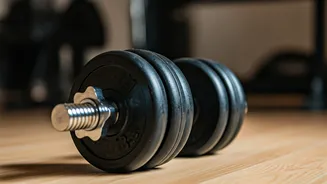
This dumbbell workout, perfectly tailored for individuals over 50, is designed to be completed in just 20 minutes. The routine primarily targets the upper
body, incorporating various exercises to build muscle strength and endurance. The workout's structure is carefully planned, with specific exercises and rest periods to maximize effectiveness. This ensures that you can achieve significant results without spending hours in the gym. The exercises included are accessible and adaptable to different fitness levels, making it suitable for beginners and those with more experience. This concise workout plan prioritizes efficiency and aims to provide a comprehensive upper-body workout in a short amount of time, ensuring that the exercises are beneficial and deliver noticeable results.
Warm-Up Phase
Before diving into the main exercises, a warm-up is essential to prepare your muscles and joints for the workout. This pre-exercise phase typically takes 2-3 minutes and can involve light cardio activities such as arm circles, shoulder rotations, and torso twists. These movements increase blood flow and raise your body temperature, making your muscles more flexible and less prone to injury. The warm-up prepares your body for the physical demands of the subsequent exercises. The warm-up helps reduce the risk of strains and injuries during the more intensive part of the workout. By warming up, you will experience improved performance, better range of motion, and reduced muscle soreness.
Exercise Breakdown
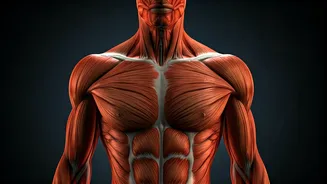
The 20-minute dumbbell workout includes a variety of upper-body exercises, carefully selected for their effectiveness in building strength. Exercises such as dumbbell rows, which target the back and biceps, and overhead presses, which focus on the shoulders, are common. The workout usually incorporates exercises that work the chest, such as dumbbell chest presses, and tricep exercises like dumbbell triceps extensions. Typically, each exercise is performed for a specific number of repetitions and sets, with short rest periods between sets. The recommended number of repetitions and sets might vary depending on your fitness level. This structured approach helps ensure a balanced upper-body workout, promoting overall strength and muscle development. The intensity and duration of the exercises can be adapted to accommodate diverse fitness levels and preferences.
Cool-Down and Stretching
Following the workout, a cool-down period and stretching are crucial for recovery and flexibility. The cool-down phase, lasting 2-3 minutes, involves light movements such as walking or gentle arm swings to gradually decrease your heart rate. Stretching exercises follow, targeting the muscles worked during the workout. This includes stretches like triceps stretches, shoulder stretches, and back stretches. Holding each stretch for 20-30 seconds improves flexibility, reduces muscle soreness, and helps prevent injury. Regular stretching enhances the range of motion and overall well-being. Incorporating a cool-down and stretching routine ensures your body recovers effectively and prepares for future workouts.
Safety Precautions
Safety should be a top priority when doing any exercise routine, especially for those over 50. Before you begin the dumbbell workout, it is advisable to consult a healthcare provider. They can assess your fitness level and offer guidance. Always use proper form when performing the exercises to prevent injury. Start with lighter weights and gradually increase the resistance as you get stronger. Pay attention to your body and avoid pushing yourself beyond your limits, especially if you feel pain. Ensure you have a clear workout space, free of obstacles, to prevent accidents. Wear appropriate athletic shoes and clothing that allows freedom of movement. By prioritizing safety, you can make the workout effective and injury-free.
Modifications and Variations
The dumbbell workout is designed to be adaptable. Modifications and variations can be implemented to cater to different fitness levels. For those new to exercise or recovering from an injury, it is beneficial to start with lighter weights or no weights at all. For those with limitations, you can substitute exercises with similar ones that are easier to perform. If some exercises cause discomfort, alternative exercises that target the same muscle groups can be used. Changing the tempo of the exercise, such as performing movements more slowly, can also increase the challenge. Experiment with different exercises, reps, and sets to find what works best for you and your goals. This flexibility ensures the workout remains challenging and effective throughout your fitness journey.