






French Beans: The Classic
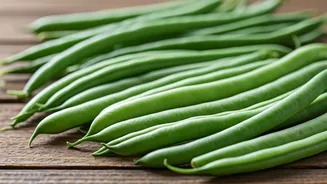
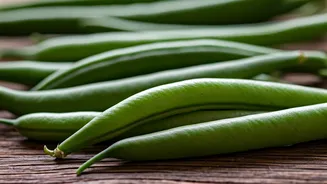
The French bean, recognized by its slender, elongated form and smooth skin, is probably the most commonly found variety. Their mild flavor and tenderness
when cooked make them extremely versatile in the kitchen, lending themselves well to stir-fries, flavorful curries, and mixed vegetable dishes. In South India, a popular preparation involves sautéing them with the aromatic combination of coconut and spices, resulting in the beloved beans poriyal. French beans are a healthy addition to everyday meals because they are rich in fiber, vitamin C, and folate, contributing to overall well-being. These beans are an excellent foundation for understanding the diversity of Indian green beans, setting the stage for the rest of the varieties.
Sword Beans: Strong Flavors
Sword beans, also known as chavli, present a distinct contrast with their thick, sword-shaped pods and a more pronounced flavor profile when compared to the milder French beans. Their robust nature is often emphasized in regional preparations. The firm seeds of these beans are frequently dried and incorporated into curries, especially prevalent in the tribal and rural cuisines of Maharashtra and Karnataka. Beyond their culinary applications, sword beans are valued for their medicinal properties, particularly their positive impact on digestion. Their use in traditional dishes showcases the connection between regional eating practices and well-being. This bean is often overlooked, but it is an important part of India's cuisine.
Cluster Beans: Earthy Goodness
Cluster beans, also known as gawar phali, are distinguished by their shorter, slightly flattened pods characterized by a rougher texture. They offer a distinctive earthy and somewhat bitter flavor, making them a staple in the cuisines of Gujarat and Rajasthan. Often cooked in tandem with potatoes or transformed into dry curries, cluster beans are also a popular choice in Maharashtra, where gawar bhaji is a household favorite. These beans contribute a substantial amount of fiber to the diet, which is known to aid in regulating blood sugar levels. The distinct taste of cluster beans adds a unique element to many regional cuisines. This bean offers a different dimension to the topic of Indian green beans.
Hyacinth Beans: Sweet & Starchy
Hyacinth beans, called sem ki phali and avarekai, are recognized by their flat, broad pods. The seeds inside these pods are often prized above the pods themselves. With a slightly sweet and starchy profile, they enjoy immense popularity in Karnataka, especially during the Avarekai Mela festival, where dishes like avarekai sambar and avarekai upma are celebrated. In North India, they also find their place in various curries and stews. These beans contribute significantly to nutritional intake, as they are rich in protein and antioxidants, thereby supporting the body's immune system. Their presence highlights the rich diversity within Indian culinary traditions.
Winged Beans: Unique Pods
Winged beans, sometimes referred to as Goa beans, are distinguished by their unique appearance, featuring four-winged pods with frilly edges. The taste is crisp and reminiscent of peas. Primarily found in northeastern states and coastal regions, this variety is remarkable because every part of the plant is edible, from the pods and leaves to the flowers and even the tubers. In Goa, winged beans are frequently stir-fried with spices or incorporated into salads. They provide an exceptional nutrient density, particularly because of the high protein content in both the pods and the leaves. Their versatility and nutritional value position them as a valuable food source.
Broad Beans: Nutty Flavor
Broad beans, or sem phali, are larger with flat pods, thick skin, and a distinct nutty flavor. The beans inside are versatile, suitable for fresh consumption or drying, and widely used in North Indian curries and stews. In Andhra Pradesh, sem curry is a winter delicacy, and the beans are frequently added to rice dishes or lentil soups. Their high protein and iron content makes them an excellent option for vegetarians. The broad beans are a testament to the diversity in Indian cuisine, and are an important part of a well-rounded diet.
Yardlong Beans: The Longest
Yardlong beans, also known as bodi or barbati, stand out for their exceptional length, often reaching up to 30-40 cm. Their flavor profile is comparable to that of French beans, but they present a slightly chewier texture. These beans are frequently used in Bengali and Odia cuisine, with dishes like barbati bhaja being simple yet widely cherished. In Kerala, they are often cooked with coconut to create thoran. Yardlong beans offer a good source of vitamin A and calcium, essential for supporting bone health. Their inclusion in this guide further illustrates the extensive range of green beans available within the Indian culinary landscape.
Runner Beans: Robust Flavor
Runner beans are characterized by their long, flat pods featuring visible seams and a slightly fibrous texture. They possess a robust flavor, and are relatively less common, mainly found in hill regions like Himachal Pradesh. These beans are often cooked alongside potatoes or incorporated into mixed vegetable dishes. They contribute vitamin K and manganese, which are advantageous for bone strength. The unique attributes of runner beans provide a rich and flavorful ingredient to dishes, showcasing the regional diversity.