







Elevate Your Plants
To foster healthier tomato plants and significantly reduce their susceptibility to soil-borne diseases and physical damage, it is highly recommended to keep
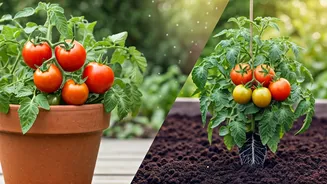
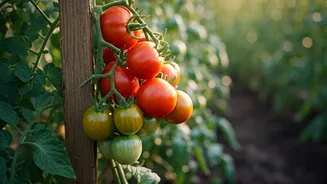
them elevated from the ground. Instead of letting them sprawl directly on the soil, consider employing support structures. Options like sturdy stakes, trellises, or tomato cages are excellent for this purpose. These supports not only protect the plants from being trampled by garden visitors, whether human or animal, but also improve air circulation. Improved airflow is crucial for preventing fungal infections and other ailments. The specific type and size of support will depend on the growth habit of the tomato varieties you choose, so a little research into the best fit for your garden will be beneficial.
Embrace Beneficial Mulch
While not an absolute necessity, incorporating a layer of mulch around your tomato plants can greatly contribute to their overall health and productivity. Mulch serves multiple beneficial functions: it helps the soil retain moisture, which is vital for consistent growth, especially during hot summer months. Furthermore, it acts as a barrier, preventing soil-borne pathogens from splashing onto the plant's leaves and stems, thereby reducing disease risk. An added advantage is its ability to suppress weed growth, minimizing competition for essential nutrients and water. For optimal results, apply a 2-3 inch layer of organic mulch, such as straw or shredded leaves, around the base of each plant.
Leaf Care Matters
Pay close attention to the leaves of your tomato plants, as they play a critical role in the plant's overall well-being and fruit development. While pruning can be beneficial, it's essential not to overdo it. Leaves are crucial for protecting the developing tomatoes from sun-scald, so avoid removing leaves directly surrounding the fruit clusters. However, removing lower leaves that are close to the ground or show any signs of spotting, discoloration, or disease is advisable. These damaged or diseased leaves can harbor infections and hinder the plant's growth. Additionally, regularly inspect for and remove 'suckers'—small shoots that emerge from the leaf axils—as these divert energy away from fruit production.
Select Vigorous Starters
The foundation of a successful tomato harvest lies in starting with strong, healthy plants. Whether you are purchasing established transplants or sowing seeds to grow your own seedlings, diligent selection is paramount. When at the nursery or garden center, carefully examine seedlings for robust stems and vibrant, unblemished leaves, free from any signs of stress, pests, or discoloration. Opt for varieties known for disease resistance whenever possible. Investing time in choosing high-quality starter plants significantly reduces the likelihood of encountering problems later in the growing season, setting you up for a more fruitful and less troublesome experience.
Strategic Companion Planting
Effectively managing pests is a common challenge for tomato growers, but incorporating companion plants can provide a natural deterrent. Planting certain species strategically near your tomatoes can help repel common garden nuisances like aphids and whiteflies. Consider planting marigolds or basil, which are known for their pest-repelling properties. These plants not only enhance the aesthetic of your garden but also contribute to a healthier ecosystem for your tomatoes. In addition to companion planting, regular inspection and manual removal of any visible pests can further minimize infestations. Conversely, be mindful of companion plants that may not be beneficial, such as broccoli or cucumbers.