





Glycemic Index Insights
When considering how foods affect your blood sugar, the Glycemic Index (GI) is a crucial factor. Raw papaya generally registers lower on this scale. The
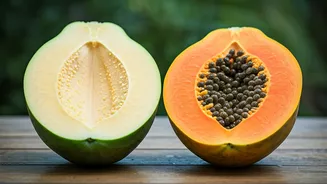
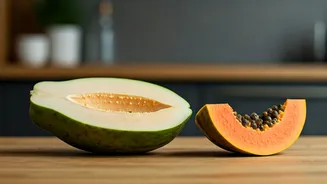
carbohydrates present in raw papaya are complex and remain bound, facilitating a slow and consistent release of glucose into your bloodstream. This gradual absorption prevents sharp spikes in blood sugar. In contrast, ripe papaya has a moderate GI, typically ranging between 55 and 60. While this is still within a manageable range for many, it means the sugars from ripe papaya enter your system more rapidly than those from its raw counterpart. Consequently, individuals focused on maintaining stable blood sugar levels may need to be more mindful of portion sizes when consuming ripe papaya compared to raw.
Sugar Content Differences
The natural sweetness we associate with fruits often comes from sugars, and papaya is no exception as it ripens. However, raw papaya stands out because it contains negligible amounts of fructose. In essence, it functions more like a vegetable in its sugar profile, making it a safer option for frequent consumption without significantly impacting glucose levels. As papaya matures into a ripe fruit, its natural sugars develop and become more prominent. While these are natural sugars, their increased concentration in ripe papaya can contribute to a higher overall daily sugar intake, especially if consumed in larger quantities. This difference in sugar concentration is a key reason why raw papaya is often favored for stricter blood sugar management.
Resistant Starch Advantage
A significant benefit of raw papaya for blood sugar control lies in its abundant resistant starch content. This type of starch behaves more like dietary fiber than a typical carbohydrate because it resists digestion in the small intestine. Instead of breaking down rapidly into glucose, it passes through more slowly. This characteristic is invaluable for stabilizing insulin levels and preventing blood sugar surges. During the ripening process of papaya, much of this beneficial resistant starch converts into simpler sugars. This transformation means that ripe papaya loses the 'slow-release' quality that raw papaya offers, diminishing its effectiveness in maintaining steady blood sugar readings and supporting consistent insulin responses.
Papain Enzyme Potency
Raw papaya is remarkably rich in an enzyme called papain. This potent enzyme plays a vital role in reducing systemic inflammation throughout the body. Chronic inflammation is a known contributor to insulin resistance, a condition that impairs the body's ability to regulate blood sugar effectively. Therefore, the high papain content in raw papaya can offer significant metabolic support. As papaya ripens, the concentration of papain substantially decreases. While ripe papaya is excellent for aiding general digestion and is easier on the stomach, the raw fruit provides a more pronounced anti-inflammatory benefit, which is directly beneficial for metabolic health and insulin sensitivity.
Weight Management Factors
Managing weight is an essential component of controlling Type 2 diabetes, and this is another area where raw papaya shines. It is generally lower in calories and offers greater satiety compared to ripe papaya. This is attributed to its firmer texture and higher fiber content, which makes you feel fuller for longer. The sweetness and softer texture of ripe papaya can sometimes lead to overconsumption and, consequently, a higher caloric intake. Raw papaya, on the other hand, can serve as an excellent low-calorie bulking agent in meals, helping to manage hunger effectively without contributing excessive calories or sugar, thereby supporting weight management goals.
Pectin for Glucose Trapping
Raw papaya is a rich source of pectin, a type of soluble fiber known for its unique ability to form a gel-like substance within the digestive tract. This gel acts as a barrier, effectively trapping sugars and fats. By delaying their absorption into the bloodstream, pectin helps to smooth out glucose spikes after meals. As papaya ripens, the pectin content undergoes a breakdown process, transforming into more water-soluble components. This change reduces the fruit's efficacy in binding and trapping glucose during digestion. Therefore, raw papaya's higher pectin levels contribute to a more controlled absorption of dietary sugars, making it a superior choice for individuals aiming to minimize post-meal blood sugar elevations.