






Hydration is Key
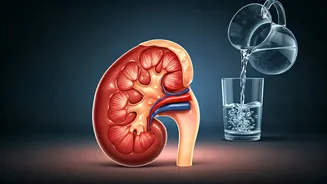
Your kidneys work tirelessly to filter waste from your blood, a process heavily reliant on adequate fluid intake. Staying well-hydrated ensures they can
perform this essential function efficiently. Think of water as the fuel for your body's internal cleansing system. Keeping a water bottle handy throughout the day, whether you're at your work desk or out and about, is an effective strategy. If plain water seems monotonous, consider infusing it with natural flavours like lemon slices or cucumber for a refreshing twist. A simple visual cue for optimal hydration is the colour of your urine; aim for a pale straw hue, which indicates you're well-hydrated. Conversely, dark urine might signal a need for more fluids. Prioritizing water intake is a fundamental step in supporting kidney function and overall well-being.
Monitor Silent Signals
Your kidneys can be impacted by underlying health conditions that often show no immediate symptoms. High blood pressure and elevated blood sugar levels are significant contributors to kidney damage over time, gradually wearing them down without you realizing it. Regular health check-ups to monitor these vital signs act as a preventative measure, akin to a proactive insurance policy for your kidneys. By staying informed about your blood pressure and glucose levels, you can identify and manage potential issues early, before they have a chance to cause substantial harm. This diligent monitoring allows you to take timely action and protect your kidneys from silent, progressive deterioration, ensuring they remain functional and healthy for longer.
Reduce Salt Intake
The allure of salty snacks and an extra pinch of salt on your meals can have a cumulative detrimental effect on your kidneys. While a single instance might seem harmless, consistent high sodium consumption puts extra strain on these vital organs, contributing to issues like high blood pressure, which in turn impacts kidney health. Fortunately, flavour doesn't have to be sacrificed. Explore a world of taste beyond salt by incorporating herbs, spices, garlic, onions, and a squeeze of lime or lemon juice into your cooking. These natural flavour enhancers can transform your dishes, making them both delicious and kidney-friendly. Adopting this mindful approach to seasoning can make a significant difference in reducing the burden on your kidneys without compromising on taste.
Mindful Painkiller Use
It's a common practice to reach for over-the-counter pain relievers for everyday aches and discomforts. However, the frequent and prolonged use of certain non-prescription painkillers can inadvertently cause harm to your kidneys. If you find yourself relying on these medications regularly to manage persistent pain, it's crucial to consult with a healthcare professional. Your doctor can assess the underlying cause of your discomfort and recommend safer, more appropriate treatment strategies. This might include prescription medications or alternative therapies that are less likely to negatively impact kidney function. Prioritizing a conversation with your doctor over self-medicating with painkillers is a responsible step towards safeguarding your kidney health.
Embrace Physical Activity
Maintaining an active lifestyle is profoundly beneficial for your kidneys, contributing to their overall health and efficient functioning. You don't need to embark on rigorous gym routines or marathon training to reap these rewards. Simple, regular movement is key. Incorporating a brisk 30-minute walk after your evening meal, opting to cycle for short errands, or even enjoying a spontaneous dance session while preparing dinner are all effective ways to stay active. Physical activity plays a crucial role in managing essential health markers such as blood pressure and body weight, both of which have a direct impact on kidney stress. By making movement a consistent part of your day, you actively reduce the strain on your kidneys and promote a healthier internal environment.
Nourishing Your Kidneys
The food you consume plays a pivotal role in supporting the intricate functions of your kidneys. A diet rich in wholesome, unprocessed foods can significantly contribute to maintaining healthy kidney function. Focus on incorporating an abundance of fresh fruits, vibrant vegetables, and whole grains into your daily meals. These nutrient-dense options provide essential vitamins, minerals, and antioxidants that help protect your kidneys from damage. Including sources of lean protein, such as fish like salmon, is also beneficial. Conversely, limiting your intake of sugary beverages, processed snacks, and fast foods can prevent the build-up of harmful substances. Making conscious dietary choices in favour of healthier, less processed alternatives sends a clear message of care to your kidneys.
The Power of Sleep
Sleep is far more than just a period of rest; it's a critical time for cellular repair and rejuvenation throughout your body, including your kidneys. During sleep, your kidneys have an opportunity to effectively recharge and perform vital restorative processes. For optimal kidney function and overall health, aim to secure seven to eight hours of quality sleep each night. Establishing a consistent sleep schedule, creating a relaxing bedtime routine, and ensuring your sleep environment is conducive to rest can all contribute to achieving this goal. Prioritizing sufficient sleep is an often-overlooked, yet incredibly important, aspect of maintaining the vitality and efficiency of your kidneys.
Start Small, Stay Consistent
Embarking on a journey to better kidney health doesn't require drastic life overhauls. The most effective approach involves adopting small, manageable changes that you can sustain over time. Even selecting just one or two new habits, such as increasing your daily water intake or consciously choosing healthier snack options over salty processed foods, can yield significant positive results over months and years. The key is not perfection, but rather consistent effort. By gradually integrating these simple yet impactful lifestyle tweaks, you build a foundation for long-term kidney well-being. Remember that even minor adjustments, when practised consistently, accumulate into substantial benefits for your health.