

The Essence of Gudi Padwa
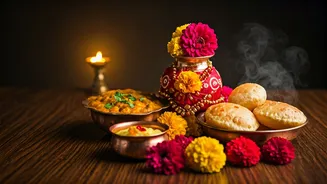
Gudi Padwa, celebrated on the first day of Chaitra, marks the vibrant Maharashtrian New Year. This auspicious occasion symbolizes spring's arrival, renewal,
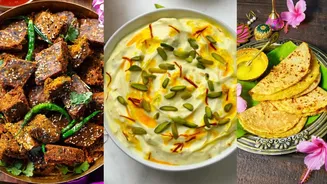
and new beginnings, echoing Lord Brahma's creation of the universe. It's a time for families to usher in good fortune by hoisting the 'gudi' – a decorated bamboo stick representing victory over adversity and prosperity. Homes are adorned with colourful rangoli, and people don festive yellow and orange attire, setting a joyful tone for the festivities.
Puran Poli: A Culinary Centerpiece
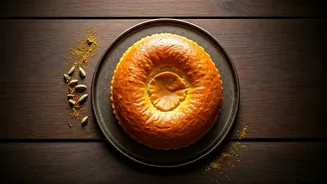
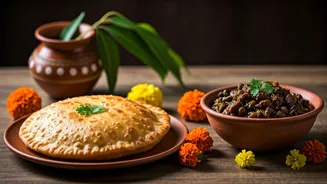
Central to the Gudi Padwa feast is the beloved Puran Poli, a sweet and savoury flatbread that embodies the spirit of the festival. This golden gram dal-stuffed delicacy, generously drizzled with ghee, represents abundance and the sweetness that follows winter's austerity. Its preparation is a cherished tradition, honouring the bounty of the harvest season and signifying a prosperous start to the New Year. It's more than just a dish; it's a cultural emblem of joy and celebration.
Crafting the Perfect Puran
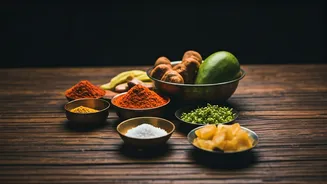
To begin crafting your Puran Poli, you'll need to prepare the Puran, the heart of this sweet bread. Start by soaking 1 cup of chana dal (Bengal gram) for at least an hour. Once soaked, pressure cook it with about 2-3 cups of water for 4-6 whistles until tender but not overly mushy. After cooking, carefully drain any excess water – this liquid can be saved for 'katachi amti', a traditional accompaniment. To the cooked dal, add 1 cup of grated jaggery and cook on medium heat, stirring continuously until the mixture thickens and begins to leave the sides of the pan. Infuse it with flavour by adding 1/2 teaspoon of cardamom powder and 1/4 teaspoon of nutmeg powder. Finally, to achieve a smooth texture, mash the cooled mixture thoroughly using a potato masher or by grinding it until it's free of lumps.
Mastering the Dough
Simultaneously, prepare the dough for your Puran Poli. In a mixing bowl, combine 1 cup of maida (all-purpose flour) with a pinch of salt and 1/4 teaspoon of turmeric powder. Add 1 tablespoon of oil to this dry mixture. Gradually add water as needed, kneading the ingredients to form a very soft and pliable dough. Once kneaded to the desired consistency, cover the dough and let it rest for a minimum of 30 minutes, and ideally up to 1 hour. This resting period allows the gluten to relax, making the dough easier to handle and roll later, ensuring a tender outer layer for your Puran Poli.
Stuffing and Rolling
With both the Puran and the dough ready, it's time for the crucial stuffing and rolling stage. Divide the prepared dough and the Puran filling into equal-sized portions. Take one portion of dough, flatten it into a small disc, and place a portion of the Puran filling in the centre. Carefully gather the edges of the dough to completely enclose the filling, sealing it securely. Once stuffed, lightly dust your rolling surface with flour or a bit of oil. Gently begin to roll the stuffed dough ball. Aim to roll it as thinly as possible without tearing the dough or allowing the filling to escape. Patience here is key to achieving the perfect thinness that characterizes authentic Puran Poli.
Cooking to Golden Perfection
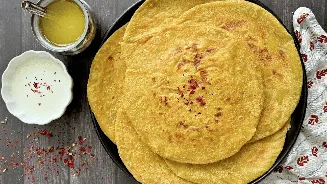
The final step is cooking your Puran Poli to a delicious, golden-brown finish. Heat a griddle or 'tawa' over medium heat. Place the rolled Puran Poli onto the hot griddle. Generously coat both sides with ghee as it cooks. Roast the Poli on each side until you see beautiful brown spots appearing, indicating it's cooked through and slightly crispy. Continue to flip and add more ghee as needed to ensure even cooking and a rich flavour. Serve your freshly made Puran Poli hot, ideally with an extra dollop of ghee for an indulgent and authentic Maharashtrian experience.