




Propulsion System Validation
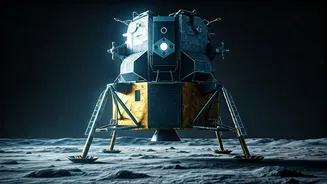
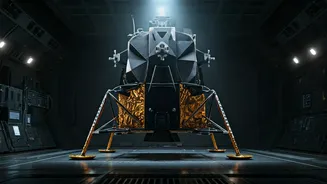
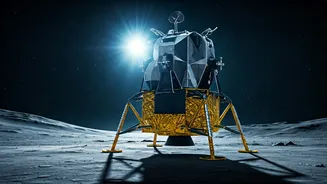
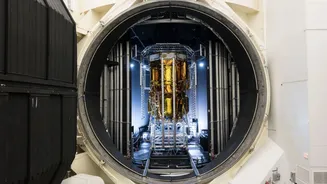
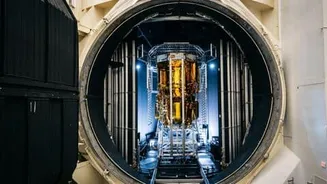
Blue Origin has achieved a significant advancement with a recent propulsion system test on its Blue Moon Mark 2 lunar lander prototype. This vital step
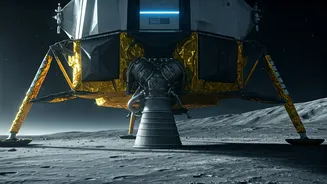
is part of the development process for one of the vehicles designated to support NASA's Commercial Lunar Payload Services (CLPS) initiative, ultimately aiming for crewed missions to the lunar surface under the ambitious Artemis program. The core of this test focused on the lander's BE-7 engine, a specialized propulsion system meticulously designed by Blue Origin. This engine operates on a liquid hydrogen and liquid oxygen mixture, generating an impressive thrust of up to 10,000 pounds-force (44.5 kilonewtons). A key feature of the BE-7 is its throttleable nature, which is absolutely essential for the extremely precise deceleration required during the final stages of approaching and landing on the Moon. While the exact location and duration of this specific test remain undisclosed, the company has affirmed that this milestone represents a crucial qualification phase within their ongoing development timeline. The Blue Moon lander is being constructed under a Human Landing System (HLS) contract that Blue Origin secured in 2021, following a protracted legal challenge involving a competitor.
Landing's Propulsion Imperative
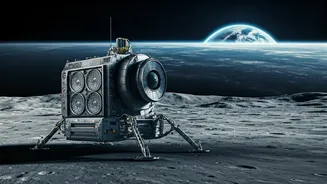
The act of landing on the Moon presents an exceptionally demanding engineering challenge. Unlike Earth, the Moon possesses no atmosphere, rendering traditional parachutes entirely ineffective. Consequently, every single meter of descent must be meticulously controlled by the lander's propulsive force. The BE-7 engine must be capable of igniting reliably after enduring the extreme temperature fluctuations of deep space during a multi-day journey. Furthermore, it must be able to throttle down smoothly and precisely as the lander nears the lunar regolith at very close range. Historically, propulsion system failures have abruptly ended lunar landing attempts before they could even begin. For example, a recent test by another company demonstrated an engine producing 4,000 pounds of thrust, showcasing the intense competition and rigorous testing occurring within the commercial lunar sector. The critical distinction for Blue Origin's Blue Moon lander is its intended payload: human astronauts. The Mark 2 variant is engineered to safely transport NASA astronauts from lunar orbit to the surface and back, a task that necessitates significantly tighter propulsion margins compared to a lander designed for robotic payloads. Any unexpected deviation or anomaly in the engine's throttling during powered descent could prove to be unrecoverable.
Development Timeline & Competition
The timeline for the first crewed lunar landing attempt under the Artemis program remains fluid, with confirmed launch dates subject to ongoing adjustments. Blue Origin's lunar lander is slated for a subsequent crewed mission, meaning SpaceX's Starship HLS variant is designated for the earlier Artemis III mission. This sequencing grants Blue Origin a more extended development runway compared to SpaceX. However, it also means that the company's progress is intrinsically linked to the overall Artemis program schedule remaining on track. In contrast, SpaceX's hardware is already on a trajectory towards lunar operations, underscoring the simultaneous and multifaceted progress within the commercial lunar exploration ecosystem. Blue Origin has been intensifying its BE-7 engine testing regimen at its West Texas facility, accumulating significant hot-fire data to rigorously demonstrate the engine's reliability. Typically, qualification testing involves dozens of engine firings, accumulating thousands of seconds of total burn time, before a spacecraft is certified for human-rated missions. This systematic approach is crucial for ensuring the safety and success of future crewed lunar endeavors.
Future Milestones Ahead
Blue Origin has not yet announced specific target dates for the complete integrated testing of the Blue Moon lander or its inaugural uncrewed demonstration flight, both of which are requirements stipulated by NASA before astronauts can be onboard. The company's capacity to expedite the remaining testing schedule without compromising essential qualification margins will likely be a determining factor in how swiftly the Blue Moon lander is deemed flight-ready. Successfully completing a propulsion milestone is undoubtedly a concrete step forward, but the journey from a successful engine test to a safe and successful crewed lunar landing is still substantial. This gap is measured not only by the completion of hardware development and testing checklists but also by the availability of the necessary launch vehicles, the integration of astronaut training protocols, and the finalization of NASA's overarching mission architecture decisions, many of which are still in progress.