








Carbs Are Not the Enemy
Many individuals aiming for a healthier lifestyle mistakenly believe that eliminating carbohydrates entirely is the path to achieving their fitness objectives.
This perspective, however, is misleading. According to Tridev Pandey, a renowned celebrity fitness trainer and former national-level boxer, completely removing carbs from your diet may resolve one perceived issue but often creates a cascade of new problems. Pandey shared his insights, emphasizing that the goal isn't to shun carbohydrates but to manage how our bodies process them. This approach ensures that the essential role carbohydrates play in providing energy isn't sacrificed, while also preventing the negative side effects associated with their drastic elimination.
Consequences of Carb Avoidance
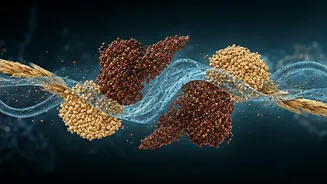
When people decide to cut out carbohydrates, they often target foods like rice, bread, and pasta, lumping them into the same category as simple sugars. While it's true that carbohydrates break down into glucose, which is the body's primary energy source, this process is a natural and vital function. However, a lack of sufficient carbohydrates can lead to several undesirable outcomes. These include a noticeable dip in energy levels, a decline in physical and mental performance, and persistent, often uncontrollable, cravings for food. Pandey points out that the issue isn't the breakdown of carbs into glucose itself, but rather the rate at which this conversion occurs. A rapid breakdown causes blood glucose levels to surge, leading to a temporary energy spike followed by an energy crash, intensifying hunger and cravings.
Stabilizing Energy Release
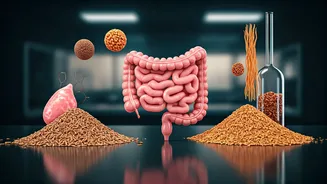
The secret to maintaining stable energy levels and avoiding the dreaded carb crash lies not in elimination, but in strategic dietary adjustments, particularly by incorporating fiber. Pandey highlights that a simple alteration in the order and combination of foods within a meal can transform a meal that causes energy spikes into one that provides steady, sustained energy. Dietary fiber plays a crucial role in this process. When consumed alongside carbohydrates, fiber effectively slows down the absorption of sugar into the bloodstream. This gradual absorption helps to prevent sharp spikes in blood glucose levels and subsequently reduces significant insulin responses. Consequently, individuals feel fuller for longer, which can mitigate overeating and excessive calorie intake. By ensuring adequate fiber intake, the body functions more efficiently, leading to consistent energy throughout the day and a greater sense of satiety.
Smart Carb Choices
Achieving fitness goals doesn't necessitate extreme dieting; rather, it requires intelligent structuring of your meals. Tridev Pandey offers two straightforward principles to guide your dietary choices when it comes to carbohydrates. Firstly, prioritize whole foods that are naturally rich in fiber. Examples include fruits, vegetables, legumes, and whole grains. These options provide essential nutrients and fiber, promoting better digestion and sustained energy release. Secondly, consciously limit the consumption of ultra-processed carbohydrates and added sugars. These refined products are typically stripped of their natural fiber and nutrients, leading to rapid digestion and energy spikes. By focusing on whole, fiber-rich foods and minimizing highly processed items, you can effectively manage your energy levels, reduce cravings, and support your overall health and fitness journey without resorting to restrictive carb elimination.