





Healthspan vs. Lifespan
While living a long life, or extending your lifespan, is a common goal, it's equally, if not more, important to focus on your healthspan – the period of
your life spent in good health, free from debilitating chronic diseases and functional limitations. This distinction is critical because a lengthy lifespan filled with illness and frailty can diminish overall quality of life. Healthspan emphasizes the years lived with vitality, independence, and cognitive sharpness, allowing individuals to continue engaging in activities they enjoy and maintaining meaningful relationships. Strategies aimed at improving healthspan often involve a holistic approach, addressing diet, exercise, sleep, stress management, and social connections, all of which contribute to preventing age-related decline and promoting sustained well-being throughout one's life.
Boost Dopamine Naturally
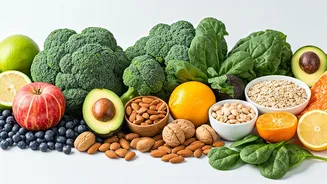
Dopamine, often dubbed the 'feel-good' neurotransmitter, plays a significant role in motivation, pleasure, and reward pathways. Increasing its levels naturally can lead to enhanced mood and cognitive function. One effective method is consuming foods rich in tyrosine, an amino acid that serves as a precursor to dopamine. Examples include lean meats, fish, eggs, dairy products, nuts, seeds, and legumes. Engaging in activities that bring joy and a sense of accomplishment, such as exercise, listening to music, or spending time in nature, can also trigger dopamine release. Furthermore, ensuring adequate sleep and managing stress levels are fundamental, as chronic stress can deplete dopamine stores, impacting mood and motivation.
Cellular Health Essentials
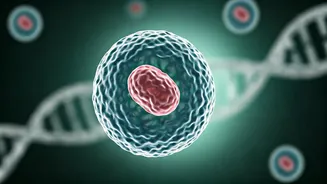
The foundation of good health lies at the cellular level. Optimizing cellular health is paramount for preventing disease and promoting longevity. This involves protecting cells from damage caused by free radicals, which are unstable molecules that can harm DNA and cell membranes. Antioxidants, found in abundance in fruits and vegetables, help neutralize these free radicals. Proper cellular function also relies on efficient energy production within mitochondria, the powerhouses of our cells. Supporting mitochondrial health can be achieved through regular exercise, a balanced diet low in processed foods and sugar, and adequate hydration. Cellular repair mechanisms are also vital; ensuring sufficient sleep allows the body to perform these crucial restorative processes, ultimately contributing to a more robust and resilient system.
Hormonal Balance Strategies
Hormones are chemical messengers that regulate a vast array of bodily functions, from metabolism and mood to sleep and stress response. Maintaining hormonal balance is key to overall well-being and can significantly impact healthspan. A comprehensive approach involves several lifestyle adjustments. Prioritizing nutrient-dense foods, including healthy fats, lean proteins, and fiber-rich carbohydrates, provides the building blocks for hormone production. Regular physical activity, adapted to your fitness level, is crucial for managing stress hormones like cortisol and promoting the release of beneficial hormones. Sufficient, quality sleep is non-negotiable, as it's during rest that many hormones are synthesized and regulated. Minimizing exposure to endocrine-disrupting chemicals found in plastics and certain personal care products also plays a role.
Nurturing Gut-Brain Connection
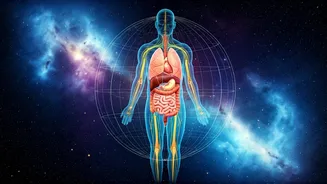
The intricate communication network between the gut and the brain, known as the gut-brain axis, profoundly influences both physical and mental health. A healthy gut microbiome, populated by beneficial bacteria, is essential for this connection. These microbes produce neurotransmitters, including dopamine and serotonin, which directly impact mood, cognition, and behavior. Supporting a thriving gut environment involves consuming a diet rich in prebiotics (found in fiber-rich foods like vegetables, fruits, and whole grains) and probiotics (present in fermented foods such as yogurt, kimchi, and sauerkraut). Reducing intake of processed foods, sugar, and artificial sweeteners can also help rebalance gut flora. Stress management techniques, like mindfulness and meditation, can positively influence gut function by reducing inflammation and improving digestion.