



Mirrorless Revolution Begins
The automotive landscape is transforming, and one of the most striking changes is the emergence of vehicles opting out of traditional side mirrors. Instead
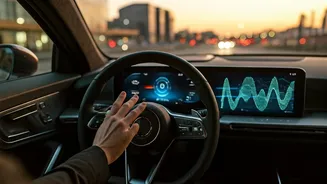
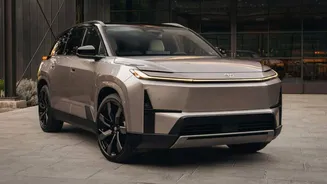
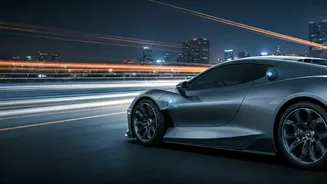
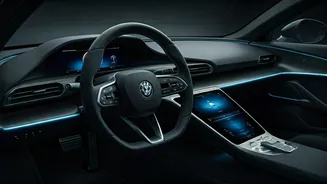
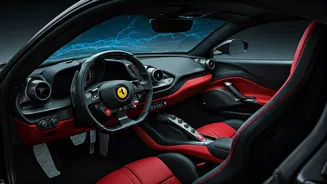
of the familiar reflective surfaces, these modern marvels employ sophisticated camera systems. These external cameras capture the surrounding environment and relay the footage to sleek interior displays, offering drivers an unobstructed and often wider field of vision. This technological leap isn't just about aesthetics; it significantly improves a vehicle's aerodynamic profile, slicing through the air more cleanly. This reduction in drag not only contributes to a quieter cabin by minimizing wind noise but also enhances fuel efficiency, a crucial factor, especially for electric vehicles. The transition to digital mirrors represents a significant step towards a more streamlined and technologically advanced driving experience, promising a glimpse into the future of automotive design and functionality that's already becoming a reality for discerning drivers.
Pioneering the Digital Shift
Several leading car manufacturers have already integrated this cutting-edge mirror technology into their select models, making it available in specific global markets. These forward-thinking vehicles showcase a blend of futuristic design and practical advantages. The use of cameras instead of conventional mirrors contributes to a cleaner, more aerodynamic exterior, which in turn leads to a reduction in wind-induced noise inside the cabin, creating a more tranquil driving environment. Furthermore, the enhanced visibility provided by these digital systems can offer drivers a more comprehensive understanding of their surroundings, potentially improving safety. As automotive engineering continues to push boundaries, these mirrorless designs are set to become increasingly prevalent, redefining what we expect from a car's exterior and its interaction with the road.
Showcasing Five Models
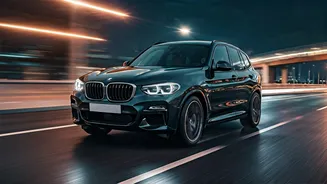
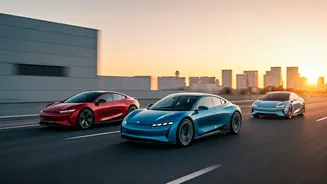
Among the notable vehicles spearheading the move away from traditional side mirrors are five distinct models, each offering a unique take on this advanced technology. One such vehicle replaces its side mirrors with compact cameras, feeding images to high-resolution screens inside the car, thereby optimizing aerodynamics and widening the driver's perspective. Another car made headlines as one of the early production vehicles in its region to adopt digital side mirrors, leveraging cameras and integrated displays in place of the conventional mirrored units. A fully electric hatchback also embraced this innovation, opting entirely for camera displays to replace its side mirrors, which not only gives it a contemporary appearance but also boosts its aerodynamic efficiency. Additionally, another electric model offers digital side mirrors in certain markets, utilizing exterior cameras and interior screens to improve visibility and minimize wind resistance. Finally, a luxury vehicle features camera-based side mirrors in some countries, replacing standard mirrors to enhance its overall design, streamline its profile, and offer superior driving visibility.