





Fear of Potassium
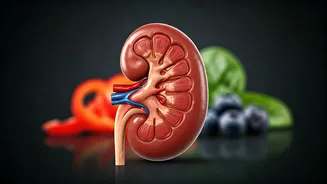
A significant misunderstanding revolves around potassium-rich foods, leading many to unnecessarily restrict vital vegetables and fruits like potatoes,
tomatoes, spinach, and bananas. While potassium management is crucial in certain kidney conditions, a blanket avoidance can deprive the body of essential fiber, magnesium, folate, and antioxidants. For individuals with healthy kidney function, these nutrient-dense foods are not detrimental but rather protective, supporting blood pressure, gut health, and cardiovascular well-being, all of which indirectly benefit the kidneys. The key lies in personalized guidance rather than broad-stroke dietary exclusions, as cutting out these wholesome foods can create more problems than it solves by removing valuable nutrients and potentially impacting overall health negatively.
Plant-Based Misconceptions
The term 'plant-based' often conjures images of healthy eating, but this label doesn't automatically guarantee kidney-friendliness. Many processed plant-based alternatives, such as mock meats, vegan cheeses, and pre-packaged snacks, fall into the ultra-processed food category. These products frequently contain elevated levels of sodium and phosphorus additives, along with various preservatives, which can be detrimental to kidney health. Excessive sodium intake can exacerbate high blood pressure and proteinuria, while added phosphorus can place a strain on the kidneys, sometimes before laboratory results indicate issues. Therefore, 'plant-based' alone is not a sufficient indicator of kidney safety; the origin and processing of the food are paramount.
High-Protein Dangers
The widespread promotion of high-protein diets can be misleading for kidney health. While adequate protein is necessary for individuals with healthy kidneys, typically around 1.0–1.2g/kg of body weight, excessive protein intake, particularly from powders, supplements, or large quantities of red meat, poses risks for those with pre-existing or undiagnosed chronic kidney disease. This intensified protein load can increase the workload on the kidneys by elevating glomerular pressure, potentially accelerating the progression of damage in compromised renal systems. It is imperative to assess individual kidney health status before adopting aggressively high-protein regimens.
Meal Skipping Woes
When faced with the complexities of managing a health condition, skipping meals can seem like a simpler solution. However, this practice can introduce a new set of complications detrimental to kidney function. Frequent skipping of meals can lead to dehydration, episodes of low blood pressure, and muscle wasting. Dehydration reduces the blood flow to the kidneys, compromising their filtering capacity. Furthermore, unstable blood sugar and blood pressure levels, often a consequence of irregular eating patterns, can worsen key risk factors for kidney disease progression. Maintaining a consistent schedule of balanced meals is vital for ensuring stable kidney perfusion and metabolic function.
Dietary Prescription Fallacy
A common misconception is that a doctor will provide a definitive, all-encompassing diet chart for kidney health. In reality, kidney nutrition is highly individualized and dynamic, varying significantly based on a person's specific laboratory results, current medications, and the stage of their kidney disease. Relying solely on generic dietary guidelines or a one-size-fits-all food list can lead to unnecessary dietary restrictions, nutritional deficiencies, or overlooking crucial warning signs. Effective kidney health management requires a collaborative partnership between the patient and healthcare providers, rather than expecting a simple dietary prescription.