


Vitamin A's Scalp Magic
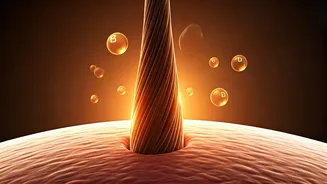
Vitamin A is a cornerstone for cellular proliferation, directly influencing the growth of your hair cells. It's instrumental in stimulating the scalp to produce
sebum, the natural oil that lubricates your hair, thereby preventing dryness and reducing susceptibility to breakage. Beyond keeping your strands moisturized, vitamin A actively supports the development of hair follicles and promotes the overall growth cycle, effectively combating hair loss. Incorporating foods rich in this vitamin, such as carrots, pumpkin, spinach, and kale, can be beneficial, but moderation is key to avoid potential adverse effects.
B Vitamins for Strength
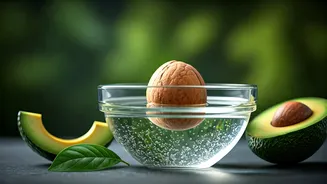
The B vitamin complex is essential for delivering vital nutrients and oxygen to your hair cells. Biotin, a prominent member of this group, is particularly renowned for its ability to fortify the hair's internal structure, support keratin production, and enhance overall hair resilience, leading to a noticeable decrease in shedding. Other crucial B vitamins include niacin (B3), which improves blood flow to the scalp, creating a healthier environment for hair growth, and pantothenic acid (B5), which plays a supportive role in the optimal functioning of hair follicles. Foods like eggs, nuts, seeds, bananas, and avocados are excellent sources of these hair-boosting vitamins.
Vitamin C's Antioxidant Shield
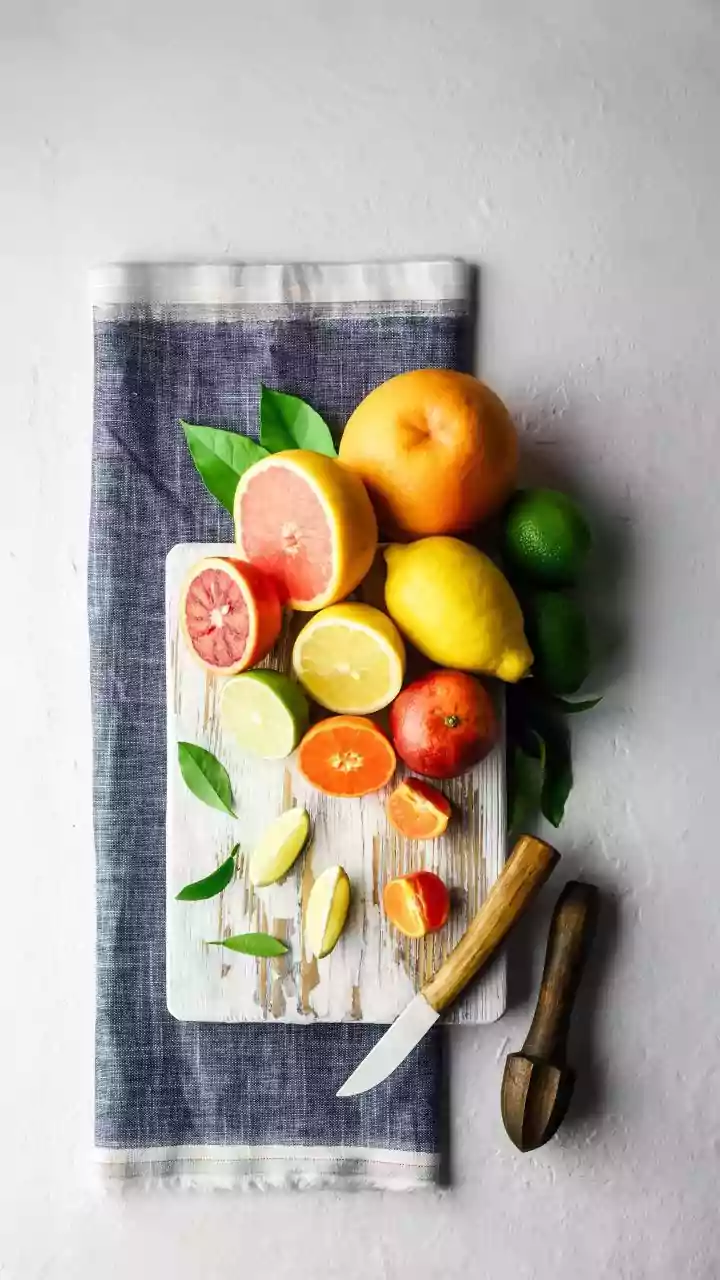
Often celebrated for its skin benefits, vitamin C is equally potent in protecting your hair follicles. As a powerful antioxidant, it neutralizes damaging free radicals, unstable molecules that can weaken hair and accelerate signs of aging. By defending hair follicles against oxidative stress, vitamin C helps maintain their integrity and longevity. Furthermore, it is a key player in the synthesis of collagen, a fundamental protein that forms the structural backbone of strong, healthy hair. To harness its benefits, load up on citrus fruits, strawberries, kiwi, bell peppers, and broccoli.
Vitamin D for Cycles
A deficiency in vitamin D is frequently associated with diminished hair density and increased shedding. This vitamin is crucial for maintaining the health of hair follicles and regulating the hair growth cycle. By addressing low levels, individuals can mitigate hair thinning that often stems from insufficient vitamin D. While sunlight exposure is a natural way to boost levels, dietary sources like fatty fish (salmon, sardines) and fortified plant milks, along with supplements if recommended by a doctor, can also contribute to adequate intake.
Vitamin E's Circulation Boost
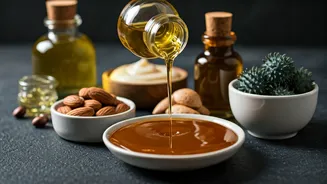
Vitamin E acts as an antioxidant, fostering a healthier scalp environment conducive to robust hair growth. It significantly improves blood circulation to the scalp, a critical factor for nutrient delivery and overall follicle vitality. Enhanced blood flow not only supports healthy hair development but also helps preserve the integrity of the hair follicles and shields your hair from oxidative damage. Including almonds, sunflower seeds, spinach, avocados, and wheat germ in your diet can help you benefit from this essential vitamin.