






Oyster Stew's Legacy
Oyster stew, a dish with a rich history, was a significant part of Christmas celebrations in the past. This creamy stew, once a luxury, was particularly
favored due to the availability of fresh oysters during the colder months. Its presence on the Christmas table symbolized abundance and festivity. The stew's simplicity belied its status as a special treat, often served alongside other elaborate dishes. The preparation methods, varying across regions, also reflected local culinary preferences. Oyster stew provided not only nourishment but also offered a taste of the sea during a season filled with land-based foods. Over time, its popularity evolved, but its significance remains as a reminder of Christmas traditions of older times.
Sugar Plums' Delight
Sugar plums, those delightful, candied treats, held a special place in Christmas celebrations of yesteryear. These small, sweet confections, typically made with nuts, spices, and dried fruits, were a symbol of luxury and festivity, and were often gifted during the holiday season. The elaborate process of making sugar plums, which involved multiple layers of sugar coating, made them a rare and special commodity. They added color and sweetness to Christmas tables and were a fun indulgence for children. Despite evolving times, sugar plums remain a nostalgic symbol and serve as a reminder of the simpler pleasures enjoyed during Christmas in the past.
Mincemeat Pies' Appeal
Mincemeat pies, a traditional Christmas treat, played a significant role in festive celebrations during the earlier times. The pies were often filled with a mixture of dried fruits, spices, and sometimes meat, reflecting the availability of ingredients. Their complex flavors were a symbol of the holiday's richness and abundance. Mincemeat pies were enjoyed across different social classes and were a must-have at many Christmas dinners. The ingredients and preparation of mincemeat pies varied, but their symbolic importance of Christmas celebrations stayed the same. Even as tastes changed over the years, the pies remained a beloved symbol of Christmas, reminding us of the seasonal warmth.
Boar's Head: A Feast
The Boar's Head, a centerpiece of Christmas feasts in yesteryear, symbolized the holiday's abundance and revelry. Traditionally served with elaborate garnishes, the roasted boar's head was a grand display of culinary skill and a sign of prosperity. The Boar's Head's prominence reflected the importance of feasting during Christmas. The traditions associated with the Boar's Head varied across regions and social classes, though it was largely associated with the upper class. Over time, the practice declined due to changes in social customs and ingredient availability, but the memory of the Boar's Head continues, evoking the holiday's grand feasts of the past.
Animal Crackers' Charm
Animal crackers, though more simply packaged, also made their presence felt during Christmas celebrations of the past. These small, sweet biscuits, shaped like various animals, were a treat for children during the Christmas season. Animal crackers offered a sense of fun and novelty, adding to the festive atmosphere. They were a simple yet cherished part of Christmas and were often shared among family and friends. While more subtle than the other traditional items, the presence of animal crackers demonstrated a shift toward including the delights of children during festive times. The charm of these little crackers endures, representing simplicity and sweetness, mirroring the spirit of the Christmas holiday.
Peacock: Extravagance personified
The peacock, a lavish dish of yesteryear, represented the opulence of Christmas feasts. Often roasted and elaborately decorated, it served as the ultimate symbol of wealth and celebration. Peacock dishes were a demonstration of the skill of chefs and also reflected the lavish lifestyle of those who could afford such luxuries. This tradition highlighted the grand, extravagant aspects of Christmas celebrations during the older times. Its use has since become uncommon in modern times but the Peacock's association with Christmas remains a reminder of the showier, more affluent feasts of the time.
Traditions Remembered
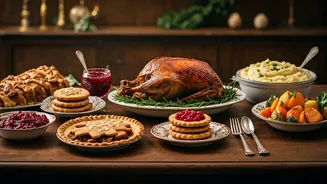
These seven foods paint a beautiful picture of Christmas celebrations from the past. Each dish tells a story, offering an insight into the holiday's history, culinary practices, and symbolic meanings. From humble oyster stews to the grandeur of a peacock, each food shows how Christmas was celebrated. This exploration of traditional foods reflects the Christmas spirit. These traditions, passed down from generation to generation, remain as a reminder of the Christmas memories of old. While some foods have faded from popular use, they still echo the joy and festive spirit of the past.