


Separate From Others
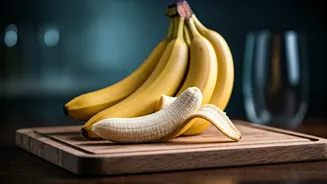
Bananas naturally emit ethylene gas, a key player in their ripening process. When stored in close proximity to other fruits and vegetables, this gas can
accelerate their spoilage, and in turn, affect the ripening of neighboring produce. To counteract this, it's best to give your bananas their own space. By keeping them isolated from other fruits in your fruit bowl or on your counter, you minimize their exposure to externally produced ethylene and reduce the impact of their own emissions on nearby items. This simple segregation creates an environment where the ripening process for the bananas is less influenced by external factors, allowing them to maintain their desirable texture and flavor for a more extended period, thereby contributing to less food waste.
Seal The Stems
A highly effective technique to slow down the ripening of bananas involves addressing the source of ethylene gas production: the stems. Bananas release a significant amount of this ripening agent from the crown where they connect to the bunch. By tightly wrapping the stems of your bananas, perhaps with plastic wrap or aluminum foil, you can effectively trap a portion of the ethylene gas at its origin. This containment strategy significantly reduces the amount of gas that escapes and circulates, thereby slowing down the overall ripening progression. It’s a small step that can make a noticeable difference in how long your bananas remain firm and appealing, helping you enjoy them over several days rather than just one or two.
Utilize Hanging Storage
The way bananas rest can impact their freshness. When laid flat, especially in larger bunches, the weight of the fruit can cause pressure points, leading to bruising and the formation of unsightly dark spots. These bruised areas are more susceptible to spoilage. To avoid this, consider hanging your bananas. Using a banana hook or a specialized stand allows for better air circulation around the entire fruit. This not only prevents physical pressure and bruising but also ensures that ethylene gas can dissipate more freely, further aiding in slowing down the ripening process. Improved airflow helps maintain an even temperature and prevents moisture buildup, contributing to a longer shelf life.
Cool, Shaded Location
Temperature plays a crucial role in how quickly bananas ripen. During warmer months, placing bananas in direct sunlight or near heat-generating appliances like ovens or toasters can dramatically accelerate their spoilage. Instead, seek out a cool, shaded spot in your kitchen. This could be a pantry, a shelf away from windows, or simply the coolest corner of your countertop. By keeping bananas away from heat sources, you help maintain a more stable and cooler environment for them. This moderation of temperature slows down the natural enzymatic processes that lead to softening and ripening, thus preserving their texture and preventing them from becoming overripe too quickly.
Refrigerate Once Ripe
Once your bananas have reached the perfect stage of ripeness for your liking, but you're not quite ready to consume them, the refrigerator becomes your ally. While placing green or slightly underripe bananas in the fridge can halt ripening and affect flavor negatively, refrigerating perfectly ripe ones is an excellent strategy. The cold temperature will significantly slow down further ripening. It's important to note that the peel will likely turn dark or black due to the cold, but this is purely a cosmetic change. The fruit inside will remain fresh and edible for several additional days, allowing you to enjoy them at their peak without rush.