






Chilly Sleep Chambers
Nick Jonas, the renowned singer, has sparked a conversation about sleep temperatures with his candid admission of favoring a 'freezing cold' bedroom. This
preference, however, puts him at odds with his wife, who prefers a warmer environment of around 71-72 degrees Fahrenheit. Jonas, on the other hand, finds comfort in significantly cooler temperatures, even expressing enthusiasm for a setting as low as 62 degrees Fahrenheit, a temperature he described as 'nightmare material' by the podcast host. This personal anecdote highlights a common dilemma: the discrepancy in preferred sleeping temperatures between partners. Jonas’ openness about his tendency to 'run hot' and his strong preference for cold sleeping conditions opens the door to understanding the physiological reasons behind such desires and their impact on sleep quality for individuals who experience overheating.
Temperature's Sleep Role
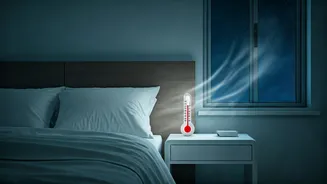
The temperature of your sleeping environment plays a surprisingly significant role in how well you rest. Experts suggest that an ideal room temperature for sleep hovers around 18°C (approximately 64.4°F). This coolness is essential because it helps your body naturally lower its core temperature, a crucial step that signals to your brain that it's time to sleep. This physiological drop in temperature is closely linked to the release of melatonin, the hormone that regulates your sleep-wake cycle. When your bedroom is too warm, it can interfere with this natural process, making it harder to fall asleep and potentially leading to more fragmented sleep. Therefore, maintaining a cooler room temperature can be a simple yet powerful strategy to enhance sleep onset and improve overall sleep quality.
Body's Cooling Mechanism
Our bodies possess an incredible internal system called thermoregulation, dedicated to maintaining a stable core temperature. For those who tend to overheat, a common tactic is to keep a foot exposed from beneath the blankets. This simple action leverages the soles of the feet, which are rich in blood vessels and have minimal hair, making them highly effective for heat exchange. By allowing one foot to cool in the ambient air, excess body heat can dissipate more efficiently, contributing to a slight reduction in core body temperature. This cooling sensation not only helps regulate the body's temperature but also sends a calming signal to the brain, aligning with our natural circadian rhythms and further promoting the production of melatonin, the sleep hormone. This non-invasive method can significantly facilitate faster sleep onset and promote deeper, more restorative rest.
Improving Sleep Hygiene
For individuals like Nick Jonas who struggle with persistent overheating during the night or experience frequent night sweats, understanding and utilizing the body's natural cooling processes can be a game-changer for sleep hygiene. Exposing a foot from the covers is a readily available, natural, and non-medicated strategy that can significantly improve sleep quality. This method works by facilitating the body's natural temperature drop necessary for sleep initiation and maintenance. By supporting this biological process, individuals can experience quicker sleep onset, enjoy deeper stages of sleep, and wake up feeling more refreshed. It's a testament to how simple, conscious adjustments to our environment and habits can profoundly impact our well-being and overall health, all without the need for external interventions.