






A Devastating Outcome
In a deeply unfortunate event that has sent shockwaves, two young girls in Ahmedabad tragically passed away following a meal of dosa prepared from commercially
available fermented batter. The entire family experienced severe bouts of vomiting shortly after consumption, with the children succumbing to the illness while their parents remained in critical care. Authorities swiftly intervened, collecting samples of the suspect batter from the local vendor for thorough forensic analysis to ascertain the exact cause of this suspected food poisoning incident. This incident casts a somber light on the potential risks associated with ready-to-use food products, particularly those involving fermentation, and underscores the need for stringent quality control and consumer awareness.
Unpacking 'Khiru'
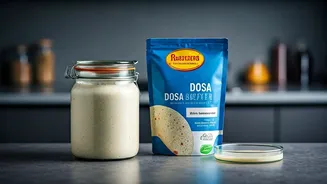
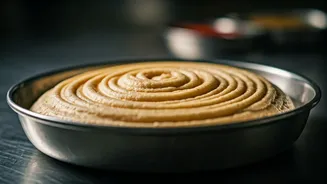
'Khiru' is a traditional fermented batter integral to Gujarati culinary traditions, primarily used for crafting South Indian delights such as dosa, idli, uttapam, and handvo. Its creation involves a careful blend of rice and skinless urad dal, which is then left to ferment for a period ranging from 4 to 5 hours, or sometimes even overnight. This fermentation process is crucial as it cultivates a light and airy texture essential for the characteristic fluffiness and crispness of these dishes. While fermentation itself is an age-old practice associated with numerous gut health benefits, the integrity of the process and the quality of ingredients are paramount, especially when the batter is commercially produced and distributed, as demonstrated by this unfortunate event.
Risks of Commercial Batter
Experts emphasize that heightened vigilance is crucial, particularly during warmer months, when consuming food prepared outside or even food brought into the home environment. Store-bought items, especially those left uncovered or handled without strict adherence to hygiene protocols, carry a significant risk of spoilage and contamination, which can unfortunately lead to grave health consequences. Several factors contribute to this danger with fermented batters: potential contamination from airborne bacteria and improper refrigeration can accelerate spoilage, leading to stomach infections; over-fermentation, especially in heat, can render the batter excessively sour, causing acidity and digestive discomfort; the inclusion of preservatives or stabilizers in commercial products, while extending shelf life, may pose long-term health concerns; unhygienic handling during preparation can introduce bacteria, leading to gas and bloating; and the quality and cleanliness of raw ingredients, unlike home preparations where meticulous washing is standard, can be questionable, potentially causing severe digestive issues.
Homemade Batter Best
Crafting fermented batter at home offers superior control over hygiene and ingredient quality. To prepare your own khiru, begin by washing and soaking 1 cup of rice separately, and in a different bowl, wash and soak ¼ cup of skinless urad dal along with 1-2 tablespoons of poha (flattened rice) and ½ teaspoon of fenugreek seeds for approximately 4 to 6 hours, or ideally, overnight. Subsequently, grind the urad dal mixture until it achieves a light and fluffy consistency. Then, grind the rice to a slightly coarse texture. Combine both batters in a large bowl, add salt to taste, and mix thoroughly. Cover the bowl and let it ferment in a warm place for 8 to 12 hours, or overnight, ensuring it is properly sealed. Once fermented, the batter is ready for use, or it can be stored in a clean, airtight container in the refrigerator.