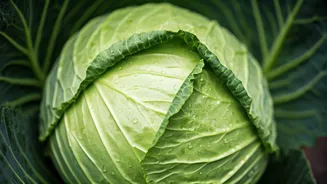

Cabbage Cleaning Importance
Cleaning cabbage properly has become increasingly crucial in the present day. Cabbage, often grown close to the ground, can accumulate various impurities,
including dirt, pesticides, and potentially harmful microorganisms. These contaminants can pose health risks if not removed. Moreover, thorough cleaning enhances the overall eating experience by eliminating any gritty textures and ensuring the cabbage tastes fresh and clean. Washing cabbage effectively helps maintain its crispness and extends its shelf life, making it a valuable step in food preparation.
Before or After Cutting?
The optimal time to clean cabbage is before cutting it. Washing the whole head of cabbage first helps to remove surface contaminants that could spread to the internal leaves as you cut. This initial wash is especially effective in removing dirt and any residues. After cutting, it's more challenging to ensure every piece is thoroughly cleaned. Washing the entire head first allows for a more comprehensive cleaning process, contributing to a safer and more enjoyable eating experience. Additionally, washing before cutting helps to maintain the cabbage's texture and prevents it from becoming waterlogged.
Step 1: Outer Leaf Removal
Begin your cabbage cleaning process by removing the outermost leaves. These leaves often act as a protective layer, accumulating the most dirt and potential contaminants during growth and transportation. Gently peel off the outer leaves until you reach a clean, vibrant layer. Discard these outer leaves as they are typically less desirable for consumption. This initial step helps to eliminate a significant portion of surface debris and ensures that the subsequent cleaning steps are more effective. It also helps to reveal the fresher, cleaner leaves underneath, making the washing process more focused and efficient.
Step 2: Rinse Under Water
The next step involves thoroughly rinsing the entire cabbage head under cool, running water. Hold the cabbage under the tap, ensuring that water reaches all areas, including the crevices between the leaves. Use your hands to gently massage the leaves, helping to dislodge any remaining dirt or particles. This rinsing process is crucial for removing any loose debris and ensuring that the cabbage is clean. Rinse the cabbage for several minutes, allowing the water to flow freely over the entire surface. If you notice any stubborn dirt, you can gently rub the area with your fingers to help remove it. Ensure that the water is clean and fresh for optimal results.
Step 3: Leaf Separation & Wash
After rinsing, you can further enhance the cleaning by separating the leaves. Gently peel back the leaves one by one, rinsing each individual leaf under running water. This detailed approach ensures that every part of the cabbage is thoroughly cleaned. Focus on removing any dirt or debris that may be trapped between the leaves. This step is especially important for ensuring food safety. After washing each leaf, you can place them in a clean bowl or colander. Washing each leaf individually offers a more meticulous cleaning process, making certain that your cabbage is truly clean before you use it in your meals. This method also improves the overall texture and crispness of your cabbage.
Step 4: Soak for Cleanliness
For an added measure of cleanliness, consider soaking the cabbage leaves in a solution of cold water and a small amount of white vinegar or a vegetable wash for about 10-15 minutes. This soaking process helps to further loosen any remaining dirt, pesticides, or other contaminants. The vinegar or vegetable wash acts as a gentle cleanser, contributing to the thorough cleaning of the cabbage leaves. After soaking, rinse the leaves again under clean running water to remove any residue from the cleaning solution. This step is particularly effective for removing any hidden impurities and ensuring the cabbage is as clean as possible.
Step 5: Drying Process
Proper drying is crucial after washing your cabbage. Excess moisture can lead to faster spoilage and a less crisp texture. After washing, you can either pat the leaves dry with a clean kitchen towel or use a salad spinner to remove excess water. For optimal results, a salad spinner is an effective tool to quickly and efficiently dry the leaves. Alternatively, you can lay the leaves out on a clean surface to air dry. Ensure the leaves are completely dry before storing or using them in your recipes. Proper drying is essential for preserving the cabbage's freshness and extending its shelf life.
Post-Wash Storage
Once your cabbage is cleaned and thoroughly dried, proper storage is crucial to maintain its freshness. Store the cleaned cabbage in the refrigerator. You can store the whole head in the vegetable crisper drawer, or if you've chopped it, place the pieces in an airtight container or a resealable bag. The key is to minimize exposure to air and moisture, which can cause the cabbage to wilt and spoil more quickly. Properly stored, cleaned cabbage can last for a week or more in the refrigerator. Regularly check for any signs of spoilage, such as wilting or discoloration, and discard any portions that seem compromised.