








A Growing Need
In India, the demand for organ transplants is escalating due to rising chronic diseases and lifestyle-related health issues. This surge in patients needing
new organs highlights a significant and persistent gap between the number of available organs and those desperately waiting. While advancements in medical diagnosis mean more patients are identified earlier, the scarcity of donated organs remains a critical challenge in the healthcare system, necessitating increased public awareness and participation in organ donation programs to meet this growing need and offer hope to countless individuals.
Record Transplants Achieved
India achieved a remarkable milestone in 2024 by performing a record-breaking 18,900 organ transplants, positioning the nation third globally in this medical feat. This significant increase is largely driven by kidney transplants, which constitute approximately 85-90% of all procedures undertaken. While this advancement signifies progress in the field, it also underscores the urgent necessity to amplify efforts in promoting organ donation awareness and encouraging more individuals to register as donors, thereby ensuring that more lives can be saved and improved.
The Power of One
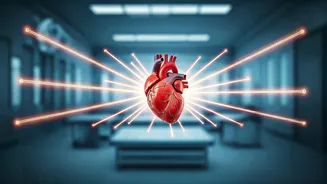
The extraordinary capacity of a single organ donor to transform lives is immense. One donor can potentially save up to eight individuals by donating vital organs, while tissue donation can enhance many more lives. A donated heart can restore circulation, kidneys can liberate patients from the arduous cycle of dialysis, a liver can revitalize metabolic functions, and corneas can restore lost sight. Furthermore, bone marrow and blood products play a crucial role in treating conditions like cancer and supporting complex surgical procedures, demonstrating the wide-reaching and multifaceted benefits of this selfless act.
Hope Amidst Fragility
For individuals and families grappling with the devastating reality of organ failure, a transplant often represents the sole beacon of hope. The journey through organ failure can be physically draining and emotionally taxing, often accompanied by significant financial strain for families. In these critical moments, organ donation emerges as a vital lifeline, offering a chance for renewal and a return to a fulfilling life. It stands as a profound testament to the possibility of life emerging even from profound loss and fragility, bridging the gap between despair and renewed hope.
Awareness is Key
Bridging the critical gap between the demand for organs and their availability hinges on concerted efforts in public education, the streamlining of donor registration processes, and fostering open dialogues within families. Experts emphasize that increasing donor registrations and cultivating widespread awareness are paramount. When individuals make their wishes known and register as donors, communicating this decision to their families ensures that their benevolent intent can be honored during times of need, thereby creating life-transforming opportunities for others year after year.
A Legacy That Lives
Organ donation transcends its role as a medical procedure, embodying a conscious act of compassion that extends beyond an individual's lifetime. It is a powerful decision that rebuilds futures, sustains families, and strengthens communities. By registering as an organ donor and openly discussing this choice with loved ones, individuals contribute to a lasting legacy—a 'tree of life' whose branches continue to flourish, offering vitality and hope to generations long after their own life has concluded, making it one of the most enduring acts of kindness.