






A Tragic Loss
In a heartbreaking turn of events, two young lives were lost in Ahmedabad after a family consumed dosa prepared with commercially procured, fermented batter.
The entire family experienced severe gastrointestinal distress, manifesting as intense vomiting, which tragically led to the demise of the two children. Their parents, though also affected, are currently undergoing medical treatment. Following this devastating incident, authorities have promptly collected samples of the batter from the vendor for rigorous laboratory analysis to ascertain the exact cause of this suspected food poisoning episode. The incident brings to the forefront the critical importance of scrutinizing the safety and origin of food items, particularly those that undergo fermentation and are readily available in the market.
What is Khiru?
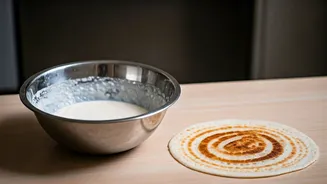
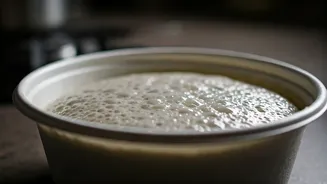
Khiru, a staple in Gujarati culinary traditions, refers to a fermented batter primarily used for preparing South Indian delicacies such as dosa, idli, and uttapam, as well as the local dish handvo. Its traditional composition involves a precise blend of rice and skinless urad dal. This mixture is then left to ferment, a process typically lasting between 4 to 5 hours or even overnight. The extended fermentation period is essential as it cultivates a light and airy texture in the batter, a quality that is paramount for achieving the desired fluffy and delicate consistency in the final cooked dishes. This age-old practice of fermentation is often lauded for its potential gut-health benefits.
Why Avoid Store-Bought Batter?
Experts strongly advise heightened caution, especially during warmer months, when consuming food prepared outside the home or even food brought into the home from external sources. Store-bought food items, particularly those left uncovered or handled without stringent hygiene protocols, pose a significant risk of contamination, potentially leading to severe health issues, including fatal food poisoning. There are several key reasons why consuming such fermented batters warrants careful consideration. Firstly, there's a heightened risk of contamination, as these batters are exposed to the environment and bacteria. Inadequate refrigeration can accelerate spoilage, triggering stomach infections. Secondly, over-fermentation, especially in hot weather, can render the batter excessively sour, causing acidity, bloating, and indigestion. Thirdly, packaged batters may contain added preservatives or stabilizers, which might not be beneficial for long-term gut health with frequent consumption. Additionally, unhygienic handling, including the use of unclean hands during preparation, can introduce bacteria, leading to gas and digestive discomfort. The quality of ingredients used in commercial batters is also a concern; unlike home preparation where ingredients are thoroughly washed, the cleanliness and quality of ingredients in store-bought options are often uncertain. Furthermore, the use of contaminated tap water in the preparation of these batters is a major concern, as it can be a breeding ground for bacteria, leading to food-borne illnesses. Lastly, the process of whisking and the addition of ingredients like salt or baking soda can also impact the batter's stability and safety if not managed correctly.
Making Khiru Safely
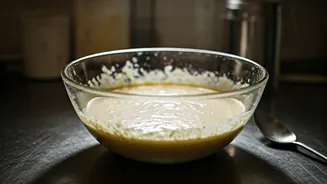
Preparing your own khiru batter at home offers a significantly safer and more controlled alternative to relying on store-bought options. The process begins with thoroughly washing and soaking 1 cup of rice separately, while ¼ cup of skinless urad dal and ½ tsp of fenugreek seeds are soaked together. Adding 1-2 tbsp of poha (flattened rice) to the rice during soaking is also recommended. This soaking period should ideally last between 4 to 6 hours or overnight. The next step involves grinding the soaked urad dal and fenugreek seeds until they achieve a light and fluffy consistency. Subsequently, the soaked rice is ground to a slightly coarse texture. Both mixtures are then combined in a large bowl. Salt is added, and the batter is thoroughly mixed. To allow for natural fermentation, cover the bowl and place it in a warm environment for 8 to 12 hours, or until the batter has fermented properly. Once ready, the batter can be used immediately or refrigerated in a clean, airtight container for later use. This method ensures you have complete control over the ingredients and hygiene, mitigating the risks associated with commercially prepared batters.