




Sticker Secrets Revealed
Those seemingly simple stickers adorning your fruits like apples and oranges are far more than just price identifiers. They act as a discreet but crucial
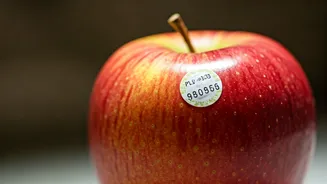
communication tool, offering insights into the fruit's journey from farm to table. Each sticker carries a code, known as a PLU (Price Look-Up) code, which functions as a key to understanding the cultivation methods employed. This code can unlock information about whether the fruit was grown using traditional chemical farming practices, has been organically cultivated, or has undergone genetic modification. By deciphering these numerical sequences, consumers gain the power to make conscious decisions that align with their personal health preferences and ethical considerations regarding food production. It’s a small detail that can lead to significant insights into the quality and nature of the food you consume daily.
Understanding PLU Codes
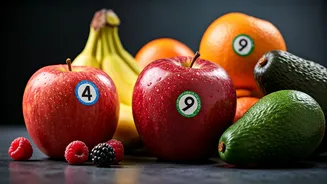
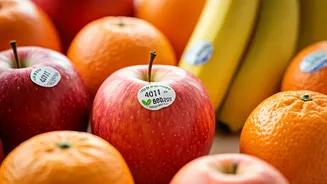
The numerical sequences, or PLU codes, found on fruit stickers are designed to provide a quick reference for retailers and consumers alike. A standard four-digit code, typically starting with either a 3 or a 4, signifies that the fruit has been cultivated using conventional farming methods. This often involves the use of synthetic pesticides and fertilizers to enhance growth and deter pests. Therefore, fruits bearing these codes warrant thorough washing before consumption to remove any potential residue. For a more impactful insight, a five-digit code beginning with the number 8 signals that the fruit is genetically modified (GMO). These fruits have had their genetic makeup altered in laboratory settings, often to improve traits such as size, color, or shelf life, and are not considered naturally occurring. The most health-conscious choice is indicated by a five-digit code that starts with the number 9. This prefix denotes that the fruit is certified organic, meaning it was grown without the use of artificial pesticides, herbicides, or genetically modified organisms, making it the safest and most wholesome option for your diet.
Safety and Smart Shopping
Concerns about the safety of fruit stickers are understandable, but regulatory bodies like the U.S. Food and Drug Administration assure that both the stickers themselves and the adhesives used are food-grade and non-toxic. Despite this official clearance, it is always a prudent practice to remove the sticker before eating and to thoroughly wash the fruit's surface. This ensures optimal hygiene and removes any surface contaminants that might have accumulated. When you're at the grocery store, take a moment to examine the PLU codes on your chosen fruits. Prioritize those with codes starting with 9 to ensure you're selecting organic options. In instances where a fruit lacks a sticker altogether, it's unwise to automatically assume it is organic. The safest approach in such situations, and indeed for all fruits, is to wash them diligently. Using a solution of salt and warm water can be an effective way to cleanse the produce thoroughly, ensuring it is ready for consumption.