







The Growth Imperative
Our current culture often fosters an unspoken rule: if you aren't actively striving for 'more'—be it a new skill, a promotion, or a revamped lifestyle—you're
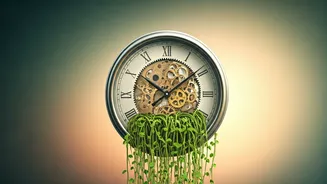
falling behind. This constant pressure to evolve can make contentment feel like a weakness, a sign of stagnation rather than peace. The prevailing narrative suggests that satisfaction with one's current state is akin to being lazy, implying that a lack of relentless self-improvement indicates an absence of effort or a fundamental flaw. This perspective is deeply ingrained, leading many to feel inadequate even when their lives are otherwise stable and fulfilling. The urgency to chase the next achievement, absorb the next self-help guru's wisdom, or overhaul one's existence can overshadow the simple act of being present and accepting oneself.
Contentment's Undervalued Role
Research reveals a surprising correlation between self-acceptance and happiness, with many individuals rating their self-acceptance quite low. This suggests that in our fervent pursuit of self-improvement, we've inadvertently neglected the crucial skill of simply being okay with who we are. This gap between our perceived ideal selves and our current reality, fueled by the relentless drive for more, comes at a significant cost to our overall well-being. The joy and satisfaction derived from life are not solely contingent on future achievements but are deeply rooted in our ability to appreciate our present circumstances and ourselves. This constant striving can paradoxically lead to less happiness if it undermines our capacity for self-compassion and present-moment appreciation.
Stability's Surprising Triumph
Contrary to popular belief, studies indicate that individuals who anticipate maintaining a relatively stable sense of self over time report greater life satisfaction a decade later, even surpassing those who predict significant positive change or growth. The findings suggest that stability, rather than constant transformation, is a stronger predictor of sustained happiness. This isn't about settling for less, but rather about recognizing the profound value and courage in appreciating one's current state. Contentment, described as the quiet feeling of 'this is enough,' has been identified as a powerful driver of self-acceptance, life satisfaction, and overall psychological well-being across multiple studies. It is a quiet strength that anchors us, providing a foundation for a richer, more peaceful existence.
Practicing the Stillness Mindset
To counteract the pervasive pressure for constant advancement, consider adopting practices that foster a 'standing still' mindset. This involves intentionally pausing the relentless self-assessment and refraining from constantly auditing your life for perceived flaws. Research suggests that feeling good physiologically often precedes functioning optimally, meaning contentment can be a catalyst for better performance, not just an outcome. Secondly, practice accepting compliments without immediate qualification or self-correction; allowing positive affirmations to simply 'land' is a small yet powerful step towards self-acceptance. Thirdly, intentionally embrace 'good enough' days – days that are simply fine, perhaps even a little uneventful, without guilt. This allows for rest and reduces the pressure to constantly perform. Finally, consciously resist the urge to compare your life to others' highlight reels on social media, which research links to decreased life satisfaction, and instead, focus on appreciating what you have already built. Cultivating this mindset requires conscious effort and permission to simply be.
The Strength in 'Enough'
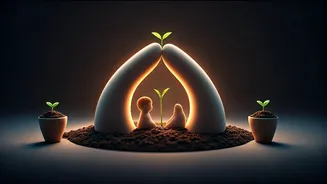
The belief that happiness is perpetually deferred to a future achievement or transformation can make present contentment feel almost rebellious. However, intentionally stating 'I'm happy with where I am' can be a liberating act. This practice, whether spoken aloud to oneself or a trusted confidant, acknowledges the present moment and validates current circumstances. Contentment is not a passive state one stumbles into; it is an active practice that begins with granting oneself the permission to pause the endless pursuit and to appreciate what is already present. While seasons of growth are inevitable and necessary, so too are periods of stillness. These moments of stability are not wasted time or laziness but are foundational elements upon which all future endeavors can be built. Embracing these quieter seasons offers a unique kind of strength and peace that is often underestimated in its profound impact on life satisfaction and overall well-being.