





Convenience Reigns Supreme
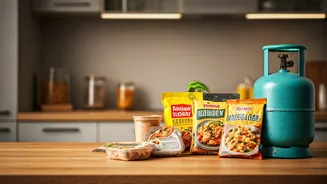
The current challenges with LPG availability have spurred a notable change in how Indian households approach meal preparation, with a pronounced shift
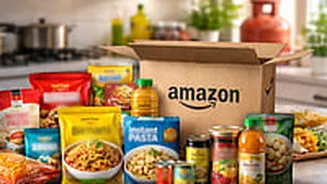
towards readily consumable food items being observed on e-commerce platforms. This burgeoning demand isn't confined to the major metropolitan areas; it's a widespread phenomenon reaching cities like Hyderabad, Kolkata, and Chennai, as well as smaller locales such as Sonipat and Panaji. Online marketplaces have reported an impressive growth of over 15 percent in categories encompassing instant noodles, pre-packaged meals, snacks, and beverages over recent weeks. This uptick clearly illustrates a significant adaptation in consumer behaviour, as individuals actively seek out meal solutions that minimize preparation time and effort. The trend is even more pronounced on specialized quick commerce services, where sales of ready-to-eat and packaged food items have seen an even more substantial month-on-month increase, particularly in key urban centers. Despite this surge in convenience food, the purchase of regular grocery staples like essential food items, cooking oils, drinks, and nuts remains robust, indicating a balanced approach where consumers are both stocking up on necessities and embracing easier meal options.
Navigating the LPG Crisis
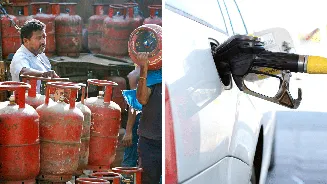
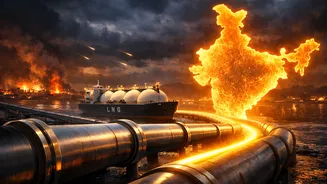
The escalating demand for ready-to-eat meals is a direct consequence of disruptions in the supply chain of Liquefied Petroleum Gas (LPG), particularly exacerbated by geopolitical tensions in West Asia. Data reveals a sharp downturn in LPG consumption during early March, with figures showing a decline of 17.3 percent compared to the same period last year and a significant drop of 26.3 percent from early February levels. These supply chain interruptions are largely attributed to challenges encountered in transporting energy imports through the Strait of Hormuz, a critical maritime route. In response to these concerns, authorities have been actively working to ensure continued supply to domestic consumers by directing refineries to increase their production output, with a clear priority placed on meeting household cooking needs. Furthermore, to alleviate pressure on LPG supplies, the government is actively promoting the expansion of piped natural gas networks. Initially, commercial establishments like hotels and restaurants faced restrictions on LPG usage, but these were later partially reinstated to manage the available resources more effectively and maintain a degree of operational continuity.