








Early Preparation is Key
The first step towards a smooth visa application in 2026 is proactive planning. It is important to initiate your preparations well in advance of your intended
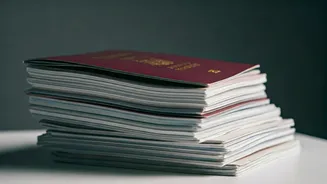
travel dates. This initial phase involves several key tasks, beginning with thorough research on the specific requirements of the country you plan to visit. Different nations have diverse sets of prerequisites, which can encompass everything from specific application forms to financial proof and health certifications. Gathering these documents ahead of time ensures you're fully prepared when the application process begins. Another critical aspect of early preparation is checking the validity of your passport. Ensure that your passport remains valid for at least six months beyond your planned return date, as this is a standard requirement for many countries. Renewing your passport early can avoid last-minute delays that can hinder your travel plans. Lastly, make a checklist of all documents, to ensure that you have everything you need, and keep checking your checklist to ensure you are up to date.
Master the Documentation
Proper documentation is essential for a successful visa application. Begin by gathering all the required paperwork as specified by the embassy or consulate of the country you intend to visit. This typically includes a completed visa application form, your passport, passport-sized photographs that meet current standards, and supporting documents like travel itineraries, proof of accommodation, and a detailed purpose-of-travel statement. It’s also crucial to provide financial documentation, such as bank statements, demonstrating your ability to support yourself during your stay. Some countries may also require proof of onward travel, such as a return ticket. Always make copies of all documents and keep them in a separate place from the originals, in case of loss. For Indian applicants, it's particularly important to verify the authenticity of all submitted documents and translate any documents that are not in the official language of the destination country, if necessary. Paying close attention to document requirements and ensuring completeness are key to a seamless visa process.
Timing is Everything
Timing plays a crucial role in visa applications, so it's essential to plan accordingly. Application processing times can vary widely based on the country, the type of visa, and the volume of applications being processed. Therefore, it is wise to start the application process several months before your intended departure date. Research the estimated processing times for your specific visa type. Many consulates provide this information on their websites. This allows you to set a realistic timeline for your application. Avoid applying too early, as some visas have limited validity periods, and applying too late increases the risk of not receiving your visa in time for your trip. Another strategy is to monitor the application status regularly. Most consulates and embassies provide online tools that allow you to check your application's progress. This proactive approach helps you stay informed and address any potential delays promptly. If you need your visa urgently, consider expedited services, though these may come with additional fees. Be mindful of peak travel seasons, as application processing times might be longer.
Complete Application Diligence
Completing the visa application accurately and thoroughly is a must. Carefully review the application form before submission, ensuring all details are accurate and consistent with your supporting documentation. Any inconsistencies or errors can lead to delays or rejection. Pay special attention to providing correct dates, names, addresses, and other personal information. It’s also important to be honest and transparent in your responses. Any misleading information can jeopardize your application. Before submitting your application, double-check all requirements specific to the visa you're applying for, as these can vary significantly based on your purpose of travel (tourism, study, work, etc.). You may want to proofread the application form, as well as the supporting documents for any typographical errors. Consider seeking assistance from visa experts or travel agents. They can provide valuable insights and help prevent common pitfalls. Finally, when in doubt, it’s always best to be overly cautious and thorough.
Stay Updated with Changes
Visa regulations and requirements are subject to change, so staying informed is crucial. Regularly check the official website of the embassy or consulate of the country you plan to visit for the latest updates. This will help you stay informed of any changes to application procedures, required documents, or processing times. Subscribe to the embassy's newsletters or follow their social media channels for timely announcements. Also, monitor any travel advisories or alerts issued by your home country's government, as these may impact your travel plans and visa application. Be aware of any new agreements or partnerships between countries that may influence visa requirements. As an example, the introduction of a new visa waiver program or a change to visa-on-arrival policies could significantly alter your travel planning. This continuous vigilance will help you avoid unpleasant surprises and ensure that your visa application is always up-to-date and compliant with the latest rules and regulations, increasing your chances of a successful outcome.