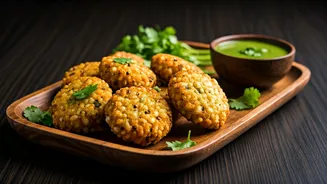

The Right Ingredients
The foundation of a perfect Sabudana Tikki lies in the quality and preparation of its ingredients. The first critical step is to source high-quality sabudana
(tapioca pearls). These pearls should be of a uniform size and texture to ensure even cooking. The next aspect is soaking the sabudana. The method involves soaking the pearls in water for at least 4-6 hours or overnight. Ensure that the water level just covers the sabudana; excess water can lead to a mushy texture. Also, the potatoes, which are the other main ingredient, play an important role. Boil and mash them thoroughly to remove any lumps, which can affect the binding and overall texture of the tikkis. Adding the right amount of spices, such as green chilies, cumin seeds, and ginger, is equally important to enhance the flavors.
Proper Soaking Technique
Properly soaking the sabudana is the cornerstone of achieving the ideal texture for your tikkis. The soaking process should be done carefully to make sure the tapioca pearls absorb enough water but do not become overly saturated. The recommended method is to rinse the sabudana thoroughly under cold water to remove any excess starch. Once rinsed, place the sabudana in a bowl and add enough water to just cover the pearls. Leave them to soak for a minimum of 4 hours, or ideally overnight, for the best results. Check the sabudana after the soaking period; they should be soft and have a slightly translucent appearance. If the pearls still have a hard, opaque core, they need a little more time to soak. Once soaked to perfection, the pearls will be ready to transform into delightful tikkis.
Mastering the Binding
Achieving the right binding is crucial to prevent your Sabudana Tikkis from breaking during frying. The binding agent typically includes mashed potatoes, which not only add flavor but also serve to bind the sabudana mixture together. The ratio of sabudana to potatoes should be balanced. A good starting point is to use equal parts or slightly more potatoes than sabudana. Also, the addition of arrowroot powder or tapioca flour can greatly assist in binding the tikkis. Start with a small amount, like one or two tablespoons, and add more if needed until the mixture comes together. The consistency of the mixture is key: it should be firm enough to handle without crumbling, yet not so stiff that the tikkis become dense. Letting the mixture rest for about 15-20 minutes after mixing allows the ingredients to meld and the binding agents to work effectively.
Shaping for Success
The shape of your Sabudana Tikkis directly influences how evenly they cook and how crispy they become. Shape the tikkis with care to ensure they are consistent in size and thickness. A uniform size ensures they cook evenly, and a thickness that’s neither too thick nor too thin will aid in the perfect balance of crispiness and tenderness. When shaping the tikkis, lightly grease your hands with oil to prevent the mixture from sticking. Take a portion of the sabudana mixture and gently roll it into a ball, then flatten it into a patty. Aim for a thickness of about 1/2 to 3/4 inch. Making the tikkis too thick can result in the inside not cooking through, while making them too thin can lead to them becoming dry and hard. For a visual appeal, you can gently press the edges of the tikkis to give them a neat, rounded shape. Prepared correctly, the uniform shape and thickness contribute to both the look and taste of the finished product.
Frying to Perfection
Achieving perfectly crisp Sabudana Tikkis hinges on the correct frying technique. The oil should be heated to the right temperature. The ideal oil temperature for frying is around 170-180°C (340-356°F). To test the oil, drop a small piece of the tikki mixture into the oil; it should sizzle immediately and rise to the surface without browning too quickly. If the oil is not hot enough, the tikkis will absorb too much oil and become soggy. If it's too hot, the outside will brown before the inside cooks through. When frying, avoid overcrowding the pan. Fry the tikkis in batches, ensuring there's enough space between each one. Overcrowding can lower the oil temperature and lead to uneven cooking. Fry each tikki for about 2-3 minutes on each side, or until they turn golden brown and are crispy. Drain the fried tikkis on a plate lined with paper towels to remove excess oil. Serve them hot to relish the crispiness.
Air Fryer Alternative
Using an air fryer provides a healthier way to enjoy crispy Sabudana Tikkis, delivering a similar result with less oil. Preheat your air fryer to 200°C (392°F) before starting. Lightly brush or spray the prepared tikkis with oil; this ensures they crisp up properly in the air fryer. Place the tikkis in the air fryer basket in a single layer, ensuring they are not touching each other. If your air fryer is small, you may need to cook them in batches. Air fry the tikkis for about 8-10 minutes, flipping them halfway through, until they become golden brown and crispy. The cooking time may vary based on your air fryer model, so keep an eye on them to prevent burning. Once ready, remove the tikkis from the air fryer and serve them hot. The air fryer method delivers a wonderfully crispy exterior while using minimal oil, making it a healthier alternative to deep frying.