






Temperature Swings Trick Your Body
Experiencing a runny nose or congestion when transitioning between the sweltering heat outside and the chilled air indoors is a common phenomenon, often
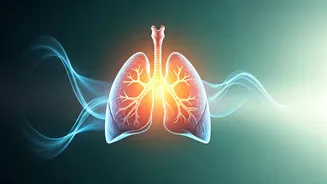
referred to as a 'summer cold'. This occurs because rapid and drastic changes in temperature place a strain on your respiratory system. When your body quickly cools down, the blood vessels within your nasal passages constrict and then expand rapidly. This sudden fluctuation can lead to a condition known as vasomotor rhinitis, which results in inflammation, increased mucus production, and symptoms that closely resemble a common cold, even when no infectious agent is present. Furthermore, these repeated temperature jolts can damage the tiny, hair-like structures called cilia in your airways. These cilia are crucial for trapping and expelling dust and pathogens. When they become stressed and inflamed, your respiratory tract can experience a reaction that mimics cold symptoms, leaving you feeling unwell without any actual viral infection. This disruption highlights how our body's delicate systems react to extreme and sudden environmental shifts, particularly in environments with significant temperature differentials.
The Dehydrating Effect of Dry Air
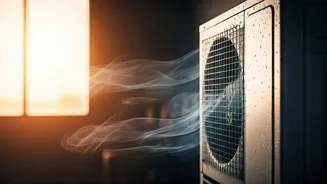
Beyond temperature fluctuations, the very process of air conditioning can contribute to cold-like ailments by significantly reducing indoor humidity levels. While AC units are effective at cooling, they also strip moisture from the air, often lowering humidity to as little as 20-30%, far below the ideal range of 40-60%. This dry air has a detrimental effect on the mucosal lining of your nasal passages. This delicate lining is your body's first line of defense against airborne irritants and pathogens. When it becomes dehydrated, its ability to trap and neutralize viruses and pollutants is severely weakened. Consequently, viruses can find it easier to infiltrate and multiply, leading to the symptoms many attribute to a 'summer cold.' Interestingly, individuals often report a noticeable improvement in their symptoms when they step outside into the naturally more humid air, underscoring the role of moisture in maintaining respiratory health and preventing these seasonal ailments.
AC Maintenance is Crucial
It's not solely the thermal shock or dry air that can trigger your 'summer cold' symptoms; the condition of your air conditioning unit itself plays a vital role. Filters within poorly maintained AC systems can become breeding grounds for a host of contaminants, including dust, pollen, mold, and bacteria. When your air conditioner operates, these harmful particles are dispersed throughout the air you breathe. Inhaling these contaminants can trigger inflammatory responses and allergic reactions, manifesting as persistent sneezing, unexplained fatigue, and significant nasal irritation. Neglecting regular servicing of your cooling system can transform a device meant for comfort into a source of respiratory distress, directly contributing to the onset of symptoms that mimic a cold. Therefore, proactive maintenance is as essential as managing temperature settings for safeguarding your respiratory well-being.
Finding the Right Balance
To effectively mitigate the risk of developing 'summer cold' symptoms, doctors recommend a mindful approach to temperature management. The key lies in maintaining a moderate difference between the outdoor and indoor environments. Experts advise keeping this temperature differential within an 8–10°C range. For instance, if the external temperature is a scorching 40°C, instead of immediately setting your air conditioner to a very low temperature, begin by adjusting it to around 28–30°C. Gradually, over time, you can lower it further to a more comfortable 24–26°C. This gradual adjustment allows your body's respiratory system to adapt without experiencing the shock of extreme temperature shifts. By implementing these practices – ensuring moderate temperature differentials, scheduling regular maintenance for your AC, and allowing your body adequate time to acclimate to environmental changes – you can significantly reduce the likelihood of experiencing these common, yet often misleading, respiratory ailments.