






Hormones: More Than Trends
In the realm of wellness, hormone health has surged in popularity, with influencers championing specialized diets and fitness regimes aimed at harmonizing
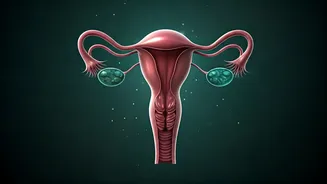
bodily cycles. However, medical professionals caution that this widespread attention often leads to a fundamental misunderstanding of what hormonal balance truly entails. Hormones are not merely arbiters of weight fluctuations or menstrual regularity; they orchestrate a symphony of vital bodily functions, governing our metabolism, emotional states, energy reservoirs, sleep patterns, and reproductive capabilities. The current landscape, characterized by an abundance of quick-fix solutions, prevalent self-diagnosis, and information gleaned from the internet, contributes significantly to confusion regarding the intricate mechanisms of hormonal equilibrium. As Dr. Kajal Singh from NIIMS Medical College & Hospital aptly states, many individuals mistakenly attribute symptoms like weight gain, persistent fatigue, acne breakouts, or mood swings solely to hormonal imbalances. In reality, hormones operate as integral components of a vast interconnected system that includes the brain, ovaries, thyroid gland, metabolic processes, sleep architecture, and overarching lifestyle choices, underscoring the need for a holistic view.
The Misconceptions of Balance
A significant pitfall for many women lies in the misconception that achieving hormonal balance is a matter of adopting supplements, adhering to trendy dietary plans, or following popular online 'hormone healing' protocols. Experts emphasize that a genuine evaluation of hormonal health necessitates a comprehensive approach, involving a detailed medical history, a thorough clinical assessment, and rigorous laboratory testing. Dr. Sheetal Jindal, a seasoned Medical Director, highlights the pervasive nature of misinformation in the wellness sphere. She warns that individuals often resort to supplements or popular trends without a clear understanding of their unique physiological needs, which typically results in frustration and suboptimal outcomes. Moreover, she points out that underlying medical conditions are frequently overlooked. For instance, conditions like Polycystic Ovary Syndrome (PCOS) often remain undiagnosed, with studies indicating that a substantial proportion, potentially up to 70 percent, of women worldwide with PCOS may be unaware of their condition. This underscores the critical importance of professional medical diagnosis over self-treatment based on trending advice.
Master Regulators of the Body
Hormones act as chemical messengers, traversing the bloodstream to orchestrate a multitude of essential bodily functions. Their roles are far-reaching, encompassing the regulation of metabolism, mood, fertility, energy expenditure, and the intricate cycles of sleep. Dr. Nisha Marhatta Joshi, a Consultant Gynaecologist, explains that hormonal fluctuations are an intrinsic and natural aspect of a woman's physiological journey. From the onset of menstruation (menarche) through to menopause, a woman's endocrine system is in a constant state of flux. Key hormones such as estrogen, progesterone, insulin, thyroid hormones, and cortisol interact in a sophisticated, rhythmic pattern that profoundly influences metabolic rate, physical strength, emotional well-being, and overall health. Given these inherent variations, women require health and fitness strategies that are highly personalized and adaptable to their unique hormonal profiles.
Fitness Pitfalls to Avoid
Many women inadvertently engage in fitness routines that may inadvertently counteract their natural hormonal rhythms. Generic fitness advice frequently prioritizes calorie expenditure and cardiovascular activity, often neglecting the crucial aspect of hormonal health. Intense, high-frequency workouts, coupled with overly restrictive calorie intake and fasted cardio sessions, can lead to elevated levels of stress hormones like cortisol. Chronically high cortisol can disrupt hormonal equilibrium rather than promote balance. Instead, healthcare professionals advocate for sustainable fitness practices. Incorporating strength training is beneficial for maintaining muscle mass and bone density. A well-rounded nutritional approach and exercise routines that are mindful of the menstrual cycle are also recommended. Furthermore, adequate sleep, effective stress management techniques, and tending to emotional well-being are equally vital contributors to hormonal balance, as emphasized by Dr. Jindal.
Foundations of Balance
Experts universally agree that achieving and maintaining hormonal balance does not necessitate complex or elaborate regimens. Rather, the fundamental pillars of a healthy lifestyle prove to be the most potent tools. These essential habits include consuming a balanced diet, engaging in regular physical activity, effectively managing stress, and maintaining a healthy body weight. These lifestyle cornerstones play an indispensable role in ensuring hormonal equilibrium. Equally critical is seeking professional medical guidance. Dr. Jindal stresses the importance of accurate diagnostic testing and expert oversight to precisely identify any hormonal imbalances and to formulate suitable treatment strategies. Healthcare providers also strongly advise against self-prescribing hormones or supplements, as these interventions, without proper medical diagnosis, can potentially exacerbate existing symptoms. As the conversation around hormone health continues to evolve within the wellness industry, the emphasis must shift from ephemeral quick fixes towards cultivating sustainable lifestyle changes and embracing personalized health approaches. A deep understanding of the body's hormonal cycles, timely consultation with healthcare professionals, and a commitment to long-term well-being over fleeting trends are paramount for achieving lasting health benefits.