

The Luminary Needs
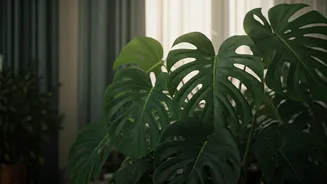
Monsteras, the celebrated Swiss cheese plants, flourish best when bathed in abundant, yet gentle, light. Imagine a sun-drenched room where the rays are
softened, perhaps by sheer curtains or the dappled patterns filtering through nearby foliage. This kind of illumination, known as bright, indirect light, provides the energy for robust growth without scorching its delicate leaves or leading to other maladies. Low-light environments, characterized by minimal natural light from small or north-facing windows, can stunt growth and encourage overly moist soil, a breeding ground for root rot. Conversely, rooms experiencing consistent, intense sun exposure for hours on end, classified as direct light, can inflict damage. Understanding these distinctions—low, medium, bright indirect, and direct light—is the foundational step in providing your Monstera with its preferred luminous diet.
Signs of Lacking Light
When your Monstera isn't receiving adequate illumination, it communicates its distress through several noticeable cues. A primary indicator is the absence of fenestrations, those characteristic splits and holes that define the Monstera's iconic leaves; this suggests insufficient energy for this developmental stage. Another tell-tale sign is leaf yellowing, as the plant conserves energy by sacrificing older or less vital foliage. Furthermore, if the soil remains consistently damp for extended periods between waterings, even with proper drainage, it's a strong indication that more light is needed to help the substrate dry out effectively. Slowed growth, defined as less than 12 inches per year, also points towards a light deficiency. In such scenarios, especially if natural light is scarce, supplementing with grow lights becomes a practical solution to ensure your plant receives the necessary luminous input.
Too Much Sun's Fury
Exposing your Monstera to excessive sunlight can be more detrimental than providing too little. Watch for signs of distress such as leaf curling, where the edges or tips begin to fold inwards, a potential sign of both intense light and insufficient hydration. Dry, patchy brown spots on the leaves, often referred to as scorch marks, are a direct consequence of the sun's harsh rays burning the foliage. Additionally, if the potting mix dries out with remarkable speed after watering, it signals that the intense light is causing excessive evaporation. Should your Monstera be situated near a window that receives strong, direct sun, consider using a sheer curtain to diffuse the light's intensity, or relocate the plant to a spot where it can enjoy brighter, indirect illumination instead.
Assessing Light Levels
Precisely gauging the amount of light your Monstera receives is achievable through simple observation and understanding light patterns. While light meters exist, the most accessible method involves scrutinizing shadows. Sharp, well-defined shadows with a clear contrast between light and dark areas typically indicate bright, direct sunlight. Conversely, softer, more diffused shadows suggest indirect light. Dappled or filtered light, such as that passing through foliage or a lace curtain, will create faint, mottled shadows. It's also crucial to observe how the light shifts throughout the day, as afternoon sun is significantly more intense than morning sun. By noting these visual cues at various times, you can accurately determine the best location for your Monstera, ensuring it receives the ideal balance of brightness and diffusion.