

The Scalp's Vital Role
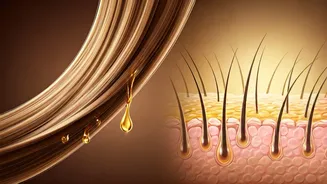
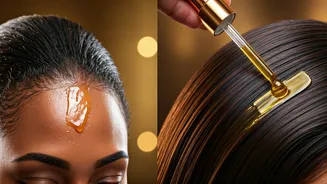
Scalp oiling involves massaging oil directly into your scalp. This practice is fundamental for boosting blood circulation, ensuring that essential nutrients
reach your hair follicles, and cultivating an optimal environment for robust hair growth. It also works wonders in hydrating a dry scalp, alleviating discomfort from itchiness and flakiness, and effectively combating dandruff. A healthy scalp is the bedrock upon which strong, healthy hair develops. However, it's important to use oil judiciously; over-application can lead to clogged pores, make fine hair appear heavy, and potentially exacerbate dandruff issues. This targeted approach focuses on the roots, nurturing the very source of your hair's vitality and setting the stage for its development.
Protecting the Strands
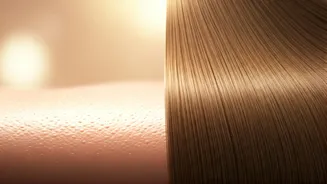
Conversely, strand oiling concentrates on the lengths and ends of your hair, deliberately bypassing the scalp. This technique creates a protective coating around each strand, significantly reducing the friction encountered during daily activities like styling and brushing. By forming a barrier, it effectively locks in moisture, preventing frizz and maintaining a smooth appearance. Oiling the ends particularly enhances their glossiness and softness, while the protective layer shields the hair shaft from the detrimental effects of heat styling tools and environmental stressors. Be mindful, though; excessive application can render hair greasy and weighed down, diminishing its volume and natural bounce. This method prioritizes the external health and appearance of your existing hair.
Synergy for Length
The reality is that scalp and strand oiling serve distinct yet complementary functions. Scalp oiling fortifies your scalp's health and nourishes the follicles, promoting the conditions for new growth. Strand oiling, on the other hand, acts as a shield for your hair shafts, preventing damage and breakage. Ultimately, the length your hair achieves is a direct reflection of its resilience and ability to withstand breakage, making both oiling methods indispensable. It's crucial to understand that oiling itself doesn't directly accelerate hair growth; rather, it strengthens existing hair and minimizes damage, thereby allowing your locks to grow longer over time by preserving them.
Your Ideal Routine
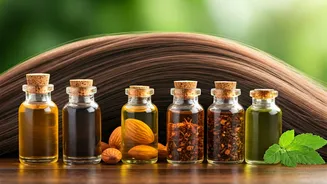
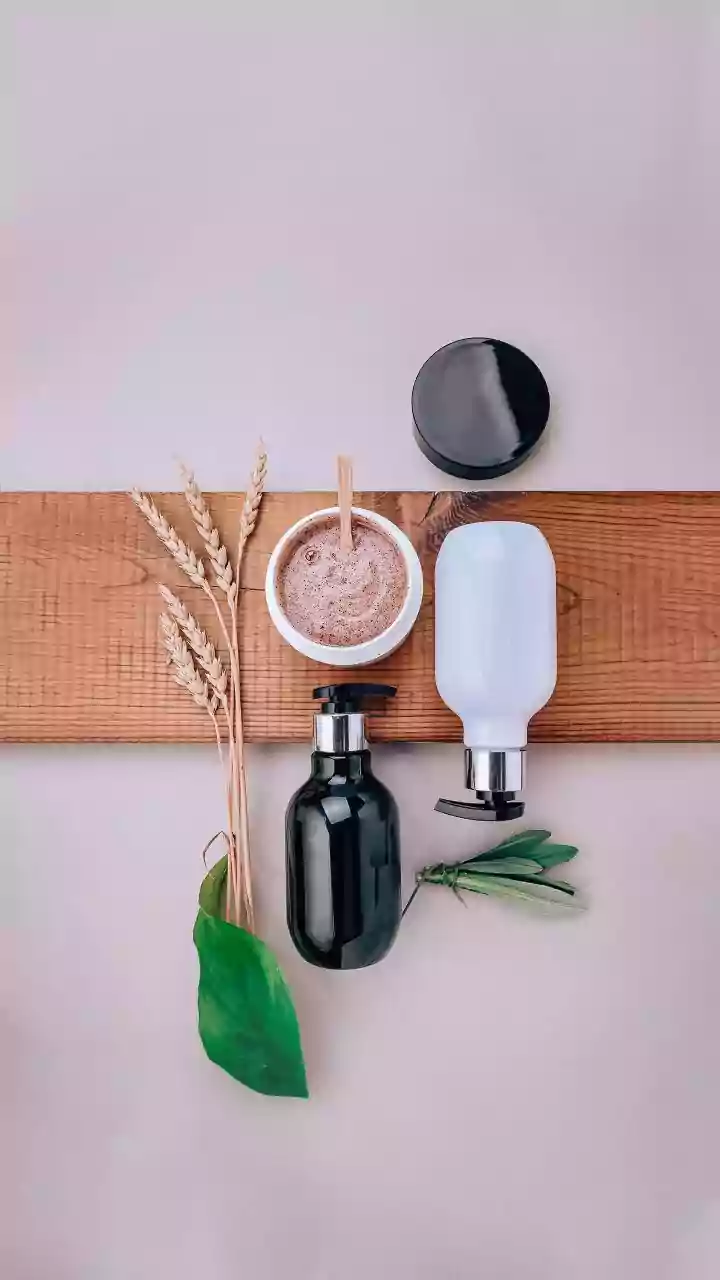
For the most impactful results, integrating both scalp and strand oiling into your regimen is highly recommended. Aim to oil your scalp twice weekly, allowing about 10-15 minutes for the oil to penetrate and stimulate circulation. Following this, apply a lighter oil to the mid-lengths and ends of your hair to seal in moisture and prevent split ends. It’s best to let the oil work its magic for one to two hours before thoroughly cleansing your hair and scalp with a mild shampoo. Opting for lightweight oils such as coconut, argan, almond, or jojoba oil can enhance the benefits and ensure your hair feels nourished, not weighed down.