






Timing is Key
To truly harness the anti-inflammatory properties of turmeric, the timing of your supplement intake is paramount, especially concerning its interaction
with dietary fats. Turmeric's active compounds, notably curcumin, are fat-soluble. This means they are best absorbed when consumed alongside a meal that contains a moderate amount of fat, ideally between 5 to 8 grams. It doesn't matter if you take the supplement a few minutes before, during, or up to 10-15 minutes after your meal; the goal is to have it coincide with fat digestion. This strategy significantly improves the bioavailability of turmeric in your bloodstream, allowing your body to utilize its beneficial effects more efficiently. Think of pairing your morning turmeric with avocado or your evening dose with fatty fish like salmon. The presence of healthy fats from sources such as olive oil, coconut oil, nuts, and full-fat dairy products slows down the digestive process, giving your body more time to absorb the turmeric.
The Black Pepper Boost
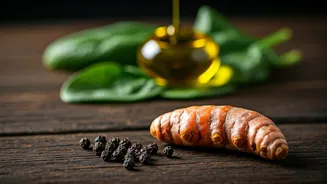
Beyond fat, a common kitchen staple plays a vital role in amplifying turmeric's efficacy: black pepper. The active component in black pepper, piperine, has been scientifically shown to independently enhance the beneficial effects of turmeric. Studies indicate that the combination of turmeric and piperine is more effective in reducing inflammation than turmeric alone. For instance, research on individuals undergoing hemodialysis revealed superior anti-inflammatory results when turmeric was paired with piperine. Furthermore, a study on healthy adults demonstrated that consuming turmeric with piperine at breakfast helped regulate blood sugar levels and increased feelings of fullness. Incorporating black pepper with your turmeric supplement, whether it's a specific supplement formulated with piperine or simply adding a dash of pepper to a savory meal, can substantially boost absorption and effectiveness. This pairing is particularly beneficial when a meal also contains fat, creating an even more potent synergy for your body.
Dietary Integration & Quercetin
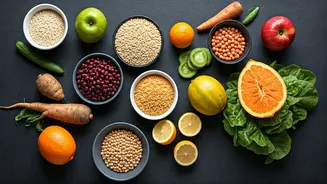
While supplements are a direct route, integrating turmeric into your meals can also be a practical approach to enhance absorption. Beverages like golden milk, prepared with high-fat coconut milk or other rich alternatives, offer a delicious way to maximize turmeric uptake. Other options include adding turmeric to rice bowls, smoothies, or dips. It's important to note, however, that the concentration of turmeric in these culinary applications may be less potent than in supplements. Additionally, consider foods rich in quercetin, a plant pigment known for its antioxidant properties, which may further boost turmeric's anti-inflammatory and antimicrobial effects. While more research is needed, incorporating quercetin-rich foods like apples, onions, kale, blueberries, spinach, and blackberries into your diet is generally beneficial for overall health and may offer a synergistic effect with turmeric. When making dietary choices, remember to consult with a healthcare provider, especially if you have pre-existing liver conditions, as combinations like turmeric and piperine might require medical guidance.
Personalizing Your Routine
Ultimately, the 'best' time to take your turmeric supplement is the time that best fits your lifestyle and ensures consistency. If morning doses lead to stomach discomfort, opting for an evening routine might be more suitable. The key is to establish a habit that you can easily follow every day, ensuring you don't forget to take your supplement. Whether it's alongside your morning oats, integrated into a midday smoothie, or taken just before your evening meal, consistency is more critical than a specific hour. By aligning your turmeric intake with meals containing healthy fats and, if possible, black pepper, you significantly enhance its absorption. However, it's crucial to have a conversation with your healthcare provider before starting any new supplement, including turmeric, to ensure it's appropriate for your individual health needs and to discuss any potential interactions or contraindications.