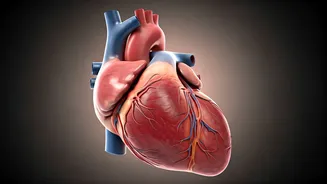

Hidden Heart Risks
It is a misconception that heart attacks only affect older individuals. In reality, young people, often those who seem to be in excellent health, are also
vulnerable. This is a concerning trend that necessitates a closer look at the underlying causes. Factors that can increase the risk include genetics, unhealthy diets, lack of physical activity, and stress. It's important to recognize that heart health is not solely determined by age or outward appearance. Underlying conditions and lifestyle choices play a significant role. Early detection of potential problems through regular check-ups and adopting a heart-healthy lifestyle are critical steps. This approach involves proactive measures rather than waiting for symptoms to appear.
Lifestyle's Impact
Lifestyle choices significantly affect heart health, especially in younger individuals. A diet high in processed foods, saturated fats, and sugars can lead to increased cholesterol levels and plaque buildup in arteries. This, in turn, can increase the risk of heart attacks. Moreover, a sedentary lifestyle reduces cardiovascular fitness, which further elevates heart disease risk. Consistent physical activity is essential for maintaining a healthy heart. Stress, a common element in modern life, also contributes to heart problems. Chronic stress elevates blood pressure and can trigger unhealthy habits such as smoking or overeating. Managing stress through relaxation techniques, hobbies, and social support is crucial.
Warning Signs to Watch
Recognizing the warning signs of a potential heart attack is critical for timely intervention. Common symptoms include chest pain or discomfort, which may feel like pressure, squeezing, or fullness. Other symptoms include shortness of breath, nausea, and pain that radiates to the arm, jaw, or back. These symptoms can be subtle or sudden. Therefore, any unexplained chest pain should be taken seriously. Furthermore, persistent fatigue, particularly when accompanied by other symptoms, should be evaluated by a healthcare professional. People experiencing these symptoms, especially if they are at higher risk due to lifestyle factors or family history, should seek immediate medical attention. Early diagnosis and prompt treatment can significantly improve outcomes.
Preventative Measures
Preventing heart attacks in young adults involves a proactive approach to health. Regular check-ups, including blood pressure and cholesterol screenings, are vital for early detection of potential problems. A heart-healthy diet, rich in fruits, vegetables, whole grains, and lean proteins, is essential. Regular physical activity, such as brisk walking, running, or swimming, improves cardiovascular health. Moreover, stress management techniques, such as yoga, meditation, or spending time in nature, can help mitigate the negative effects of stress on heart health. Avoiding smoking and excessive alcohol consumption is also crucial. These steps can significantly reduce the risk of heart attacks and promote overall well-being.