




Significance of Kitchen Colors
The kitchen, often called the heart of the home, plays a pivotal role in the well-being of its inhabitants. As per Vastu Shastra, the ancient Indian science
of architecture and design, the colors chosen for this vital space can significantly influence the energy flow, health, and prosperity of the household. Each color carries a specific vibrational frequency that interacts with the environment, and selecting the right shades according to Vastu principles can help mitigate negative energies and amplify positive ones. This practice extends beyond mere aesthetics, aiming to create a balanced and nurturing atmosphere conducive to cooking, dining, and family bonding. The careful selection of colors for walls, cabinets, and even flooring contributes to a harmonious living space, ensuring that the kitchen becomes a source of good fortune and well-being rather than a conduit for stress or discord. Understanding these principles is key to transforming a functional kitchen into a sacred space that supports the overall health and happiness of everyone in the home.
Best Kitchen Colors
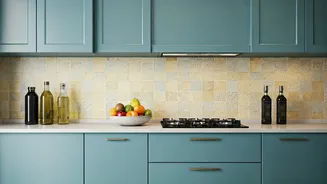
Certain colors are highly recommended for kitchens under Vastu Shastra to foster positivity and well-being. Yellow, representing warmth, happiness, and optimism, is an excellent choice for walls, bringing a cheerful ambiance. Light blue shades evoke peace and tranquility, ideal for creating a serene cooking environment. Green, symbolizing nature and growth, promotes health and abundance. For a vibrant yet calming effect, consider shades of pink, which are associated with love and domestic harmony. Additionally, colors like beige and cream offer a neutral and grounding effect, making the space feel expansive and clean. These hues are believed to balance the elements and energies within the kitchen, leading to a more harmonious and prosperous household. The choice of these colors aims to create an inviting space that nurtures both the body and the spirit, aligning the kitchen's energy with positive life forces.
Colors to Avoid
Vastu Shastra advises caution against using certain colors in the kitchen, as they can potentially invite negative energies or create disharmony. Black, being a color associated with negativity and obstruction, is generally not recommended for kitchen walls or prominent features. Similarly, dark red or maroon can be too aggressive and may contribute to arguments or stress within the household. Bright or harsh colors like dark orange or neon shades are also discouraged as they can be overwhelming and disrupt the peaceful atmosphere. The idea is to steer clear of colors that are too stimulating or represent negativity, opting instead for those that promote balance and tranquility. By avoiding these colors, one can ensure that the kitchen remains a space of positive energy, conducive to health and happiness, rather than a source of imbalance.
Color by Direction
The direction your kitchen faces significantly influences the color choices recommended by Vastu Shastra. For kitchens facing East, which are blessed by the sun's rays, warm and cheerful colors like yellow or light orange are ideal, symbolizing energy and positivity. A West-facing kitchen benefits from calming colors like gray or light blue, which help to balance the strong evening sun and promote peace. For North-facing kitchens, which can sometimes feel cooler, shades of green and light brown are recommended to bring in warmth and stability. South-facing kitchens, often associated with fire elements, can be complemented by hues like rose or peach, which offer a soothing and inviting atmosphere. Considering the directional energies ensures that the chosen colors enhance the specific characteristics of each orientation, creating a more balanced and harmonious space.
Flooring & Cabinet Colors
Beyond the walls, the colors of your kitchen flooring and cabinets also play a crucial role in Vastu compliance. For flooring, earthy tones like beige, brown, or terracotta are excellent choices, providing a grounding and stable foundation for the kitchen's energy. These natural colors promote a sense of security and balance. When it comes to cabinets, light and airy colors are generally preferred. Soft shades of yellow, green, or cream can make the kitchen feel more spacious and inviting. Alternatively, wooden cabinets in lighter shades also align well with Vastu principles, adding a touch of natural warmth and elegance. Avoid very dark or vibrant colors for these elements, as they can overwhelm the space or create an imbalanced feel. The selection of these foundational colors contributes to the overall energetic harmony of the kitchen.
Other Vastu Tips
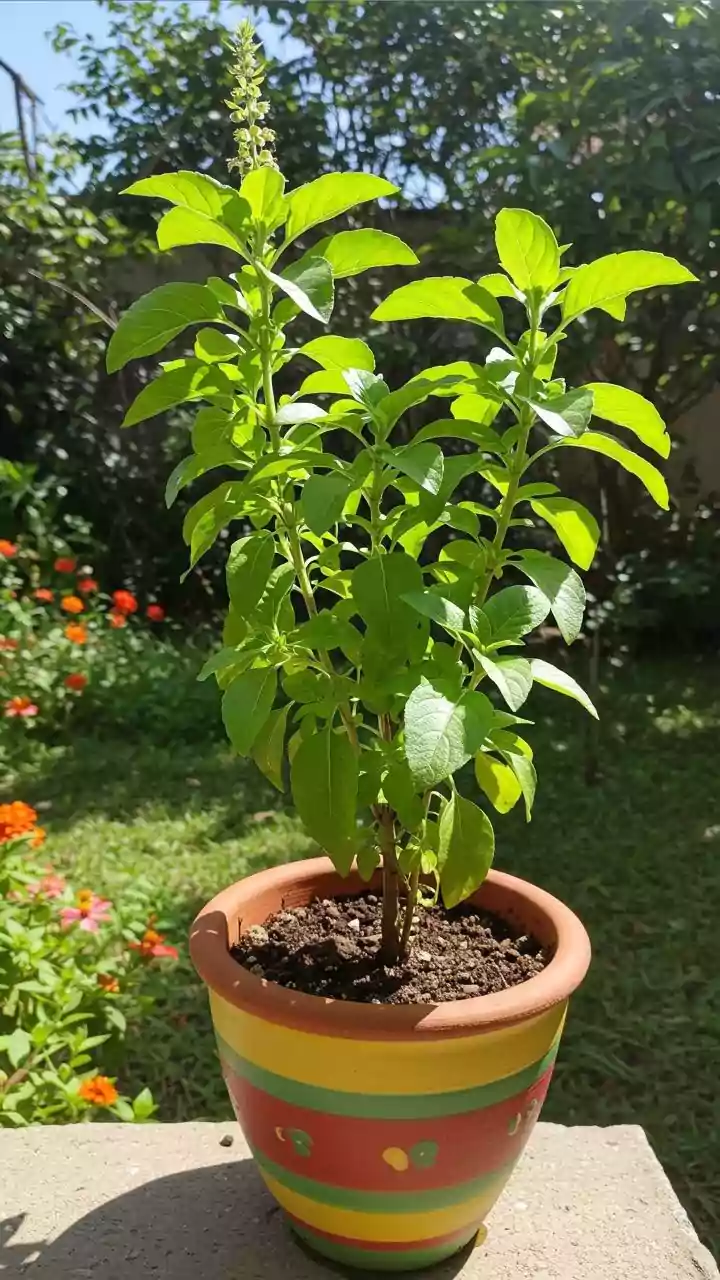
Incorporating Vastu Shastra into your kitchen extends beyond just color selection. Ensuring the correct placement of appliances, like the stove and refrigerator, is vital; the stove should ideally be in the southeast corner. Maintaining cleanliness and order is paramount, as a cluttered kitchen can impede positive energy flow. Adequate ventilation and natural light are also key Vastu elements, promoting a fresh and vibrant atmosphere. Consider adding plants like basil (tulsi) or aloe vera, which are believed to purify the air and bring good luck. The main door of the kitchen should not directly face the main entrance of the house. While colorful artwork can be used sparingly to add aesthetic appeal, ensure the themes are positive and not distracting. These complementary Vastu practices, along with mindful color choices, contribute to a truly harmonious and prosperous kitchen space.