







Budget Boost Announced
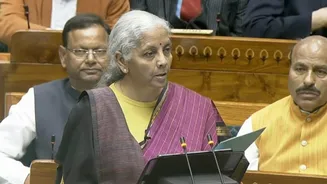
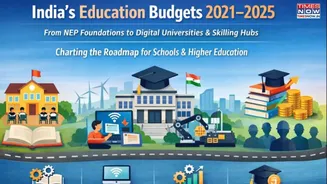
The Education Budget 2026 is creating a buzz with a substantial allocation of Rs 1,39,285.95 crore, an increase from the previous year. This financial
commitment signals the government's strong focus on education. The allocated funds are intended to be utilized to drive various improvements and expansions within the education sector. These enhancements include establishing new facilities, introducing more advanced courses, and providing additional resources to both students and educators. The increased budget reflects a broader goal of ensuring the educational landscape of India is enhanced and well-equipped to prepare students for future challenges and opportunities.
Girls' Hostel Drive
A significant feature of the Education Budget 2026 involves plans to construct girls' hostels in every district across the nation. This strategic move aims to enhance educational accessibility for girls. These hostels provide safe and conducive environments. Such facilities would enable more girls to attend school, especially in areas where long distances or security concerns may pose barriers. By increasing access to educational opportunities, this initiative directly supports the empowerment of women and boosts overall educational attainment in India. The budget allocation will contribute to a more inclusive educational system.
Infrastructure Expansions
The budget details significant infrastructure developments, including the establishment of three new AIIMS (All India Institutes of Medical Sciences) and three Ayurveda institutes. This step is designed to bolster India's healthcare education infrastructure, training more medical professionals. Simultaneously, the focus on Ayurveda institutes reflects a commitment to traditional medicine. The goal is to integrate modern medical practices with the ancient wisdom of Ayurveda. Furthermore, the establishment of design schools points towards promoting innovation, creativity, and skill development in various fields. These schools are designed to equip students with practical skills and knowledge necessary to thrive in an evolving global landscape.
Employment Focus
A core objective of the Education Budget 2026 is to bridge the gap between education and employment, with an emphasis on creating a youth-centric, employment-oriented educational system. This objective will be advanced by the introduction of new courses and programs that are aligned with industry needs. The initiative is to equip students with skills that are directly applicable to the job market. Emphasis will be placed on promoting vocational training and skill development programs. This approach aims to enhance the employability of young people and empower them to secure meaningful employment opportunities. Consequently, the education sector would play a key role in boosting economic growth and societal progress.
Key Announcements
Among the pivotal announcements within the Education Budget 2026, the establishment of a design school is notable. This initiative aims to foster innovation and creativity among students, providing them with the necessary tools to develop new ideas. The budget also highlights the integration of AVGC (Animation, Visual Effects, Gaming, and Comics) and content labs. This move intends to equip students with the necessary skills for the rapidly evolving media and entertainment industries. These measures signify a strategic effort to modernize education, preparing young people for future careers. The objective is to foster a skilled workforce equipped for contemporary challenges and opportunities.
UGC’s New Direction
The University Grants Commission (UGC) has instructed universities to integrate disaster management skills courses starting from the 2026-27 academic year. This proactive initiative underscores the importance of preparing students to handle unexpected events. These courses will equip students with knowledge and techniques for dealing with natural disasters and other crises. Including disaster management in the curriculum ensures students are well-prepared to react and assist during emergencies. This move not only enhances personal safety but also reinforces the importance of community resilience, ensuring preparedness among the population.