
Why Lung Age Matters
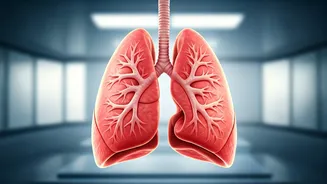
Lung age is a metric that assesses how well your lungs are functioning compared to the average lung function of a healthy individual of the same age. It
provides a quick insight into your respiratory health, much like how chronological age defines your overall age. This measurement is not just a number; it is a vital indicator reflecting the condition of your respiratory system. It can signal underlying issues such as reduced lung capacity or impaired airflow. Understanding your lung age helps you to better manage your respiratory health. It enables you to take appropriate measures such as lifestyle adjustments or medical interventions, which can greatly impact your overall health and well-being. Keeping a close watch on lung age can be crucial in detecting and potentially preventing respiratory problems.
The Test Explained
At-home lung tests are not designed to be diagnostic tools, but they serve as a simple prompt to check on your breathing. These tests, often accessible and straightforward, give you an initial clue about your lung health, which can encourage you to pay attention to your breathing patterns. These tests generally assess the forced expiratory volume in one second (FEV1), which is the amount of air you can exhale forcibly in one second, and the forced vital capacity (FVC), which is the total amount of air you can exhale after taking a deep breath. Analyzing these measurements helps evaluate how efficiently your lungs are working. If your results suggest potential issues, such as lower-than-expected FEV1 or FVC, it is crucial to consult a healthcare provider for further investigation and assessment.
Interpreting Results Clearly
The test results provide an important baseline for assessing your lung health. Your lung age result is compared to the expected lung function of healthy individuals of a similar chronological age. If your lung age is significantly higher than your actual age, it suggests that your lungs may not be performing as optimally as they should. Conversely, a lung age close to or lower than your actual age typically indicates better respiratory health. It is essential to remember that these tests are preliminary and not conclusive. They should always be followed up with a visit to a healthcare professional for a complete diagnosis. The results should be seen as a call to action. They may prompt you to adopt lifestyle changes or seek professional advice to ensure that your respiratory health is maintained.
What Does it Mean?
Lung age signifies how your lungs are functioning compared to an average healthy individual of a similar age. It offers a useful assessment of lung function by measuring factors like airflow and the lungs' ability to transport oxygen. The interpretation of lung age helps in understanding potential respiratory problems. Higher lung age, which means your lungs are functioning less efficiently, may indicate potential issues like asthma, COPD, or other lung diseases. Regular monitoring of lung age, in conjunction with professional medical advice, allows for effective management and preventive measures. Lung age is not just a number. It is a mirror reflecting the current condition of your lungs, enabling you to take proactive steps toward respiratory health.
Slowing Lung Ageing
Lifestyle changes can play a crucial role in maintaining and potentially slowing down the aging of your lungs. Quitting smoking is the most important step; it dramatically reduces damage to lung tissues and improves lung function. Regular exercise, especially activities that enhance cardiovascular health, benefits the lungs. It increases lung capacity and improves overall respiratory efficiency. A balanced diet, rich in antioxidants and nutrients, helps reduce inflammation and protect your lungs. Avoiding exposure to pollutants and allergens is also key, as these can trigger respiratory issues and accelerate lung aging. Regular check-ups with a healthcare professional are essential. They can monitor your lung health, offer guidance, and ensure that any issues are addressed promptly. Implementing these strategies can assist in maintaining and promoting healthy lungs.