





Fleeting Joys, Lasting Roots
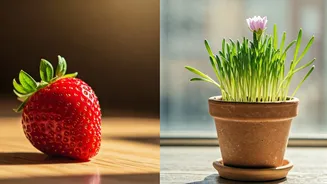
An enduring Chinese proverb suggests different timelines for happiness: a week from marriage, a month from a pig feast, but a lifetime from planting a garden.
While seemingly whimsical, this saying holds a profound insight into the nature of human satisfaction. In an era dominated by instant gratification, where fast food and rapid entertainment are the norm, many find themselves experiencing a continuous cycle of stimulation followed by emptiness. This proverb resonates because it speaks to a fundamental truth: genuine, deep-seated happiness often requires time, consistent effort, and a nurturing approach, rather than immediate rewards. The contrast highlights the difference between transient excitement and the slow, steady growth of fulfillment, offering a timeless perspective on how to cultivate a more meaningful and enduring sense of contentment in our lives.
Decoding the Proverb's Heart
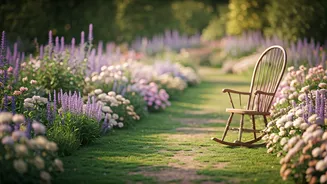
At its core, the proverb contrasts three distinct forms of satisfaction. The joy derived from marriage is presented as a relatively brief effervescence, a period of excitement that naturally wanes. Similarly, the pleasure of a celebratory feast, like that from butchering a pig, offers a more substantial but still temporary delight. However, planting a garden signifies an entirely different pursuit. It embodies a commitment to a process involving meticulous care, unwavering patience, the establishment of daily routines, and the anticipation of future rewards. A garden doesn't yield results overnight; it demands consistent watering, weathering of seasons, resilience against setbacks, and the gradual unfolding of life. The happiness derived from this endeavor stems not solely from the final harvest, but from the very act of tending, nurturing, and witnessing slow growth over time. This deeper message suggests that while quick pleasures are ephemeral, true contentment is cultivated through sustained dedication and process-oriented engagement.
Modern Resonance of Ancient Wisdom
It's remarkable how a proverb likely conceived centuries ago perfectly mirrors contemporary discussions on burnout and mental well-being. Our current environment is meticulously engineered for immediacy: meals arrive within minutes, entertainment is ceaseless, and social media offers a constant stream of stimuli. Even online success narratives often portray an instant trajectory, obscuring the complex realities behind them. The inherent issue is that transient pleasures rarely translate into lasting fulfillment. For instance, spending hours scrolling through digital feeds might leave one feeling mentally depleted, not enriched. Similarly, a significant purchase, while initially thrilling, often sees its emotional impact fade swiftly. The proverb subtly challenges this pattern by advocating for a slower, more organic form of happiness. Cultivating a garden symbolizes this approach—one rooted in purpose, consistent effort, personal growth, and reliability, in stark contrast to the fleeting thrill of instant excitement.
Gardens: Sanctuaries of Serenity
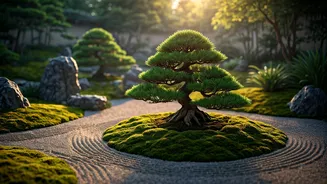
Across various cultures, gardens have consistently emerged as potent symbols of peace and equilibrium. Within Chinese philosophy, literature, and art, they frequently represent harmony, introspection, and a profound connection with the natural world. This symbolic weight is not accidental; gardens inherently foster a sense of slowness. Plants unfurl at their own pace, indifferent to human impatience. The cyclical nature of seasons cannot be accelerated, and the natural world operates independently of modern deadlines, notifications, or fleeting online trends. This gentle rhythm may partly explain the reported surge in gardening's popularity, particularly in times of heightened stress, like the period following the COVID-19 pandemic. Many turned to cultivating plants during lockdowns, finding solace and grounding in the repetitive, yet calming, routine. The proverb intuitively grasps what modern psychology increasingly recognizes: the therapeutic benefits of consistent care and immersion in nature for emotional health.
Beyond the Literal Garden
The 'garden' in the proverb is far more metaphorical than literal for many. While it can certainly encompass the act of gardening itself, it broadly represents anything that requires consistent nurturing and sustained effort over time. This could manifest as deep relationships cultivated over decades, mastering a skill through years of practice, raising a family, engaging in creative pursuits, contributing to one's community, or focusing on personal development. The beauty of the saying lies in its adaptability; individuals can apply its wisdom to their unique life circumstances. Building enduring friendships, for instance, is akin to 'planting a garden' in the social realm. Similarly, a parent's gradual upbringing of children mirrors the slow, steady reward of a thriving garden, growing through consistent attention and unwavering presence rather than instantaneous gratification. The proverb ultimately posits that lasting happiness is typically a product of deliberate cultivation, not an accidental discovery.
The Science of Fading Pleasures
Human beings possess a remarkable capacity to adapt to exciting circumstances, a phenomenon psychologists refer to as 'hedonic adaptation.' When we experience a new joy, achieve a significant goal, or encounter a burst of pleasure, the initial emotional high inevitably subsides, and our baseline feelings reassert themselves. This cycle is pervasive in contemporary life, prompting individuals to constantly seek upgrades—a newer phone, a better job, a larger home, more online followers—in the hope that satisfaction will finally prove more durable. Yet, the thrill often dissipates quicker than anticipated. The proverb astutely acknowledges this pattern. A celebratory feast offers momentary delight, whereas a garden fosters enduring significance because it continuously necessitates care, engagement, and participation. This fundamental distinction between fleeting enjoyment and sustained involvement holds a significance that is often underestimated.
Youthful Embrace of Slow Living
A notable trend among younger generations today is an increasing inclination towards slower lifestyles, mindful hobbies, and routines that foster a sense of groundedness. Online platforms showcase millions of views for gardening tutorials, alongside popular cooking channels, 'slow living' content, home café setups, reading rituals, and serene lifestyle vlogs. A significant driver of this movement is likely a growing fatigue with relentless digital stimulation. People appear to be actively seeking calmness and a respite from constant connectivity. The ancient Chinese proverb mirrors this contemporary yearning, serving as an older, yet equally potent, articulation of the same core idea. It gently advocates that sustainable happiness is typically found in nurturing something meaningful, rather than perpetually chasing the next exciting rush. Modern audiences may be rediscovering this fundamental lesson as the relentless pace of contemporary life often leads to emotional exhaustion.
Timeless Proverbs in the Digital Age
Despite the internet's ceaseless generation of novel phrases and fleeting trends, ancient proverbs continue to circulate widely, underscoring a fundamental aspect of human nature. While technology evolves at a breakneck pace, the core of human emotion remains remarkably consistent. Individuals still actively seek happiness, grapple with impatience, manage stress, pursue ambition, navigate loneliness, and search for meaning. A proverb penned centuries ago can still resonate deeply because the underlying emotional experiences it addresses are timeless and universally understood. This particular Chinese proverb achieves widespread appeal due to its simple, yet powerful, imagery. The contrast between a quick pleasure and something painstakingly cultivated over years is easily grasped by virtually anyone. This inherent clarity is precisely what lends the saying its enduring power and relevance across generations.
Cultivating Enduring Happiness
One of the most compelling aspects of this proverb is its nuanced perspective on happiness; it doesn't dismiss pleasure entirely. Celebrations and meaningful relationships undoubtedly hold value. However, the saying wisely points out their inherently transient nature, emphasizing that lasting happiness requires deeper, more resilient foundations. This insight is particularly crucial in today's world, where many inadvertently construct lives centered around immediate gratification, often overlooking the potential emotional void that can follow. The proverb offers a tranquil alternative: undertake the act of planting, tend to it with consistent care, and allow time to facilitate growth. Whether this 'garden' ultimately blossoms into a relationship, a developed skill, a family, a purposeful routine, or literal soil, the underlying principle remains constant. The most profoundly satisfying elements of life are often those that mature gradually.