


A Digital Legacy Project
The Museum of Material Memory is a captivating digital initiative founded by Aanchal Malhotra and Navdha Malhotra. Its core purpose is to provide a dedicated
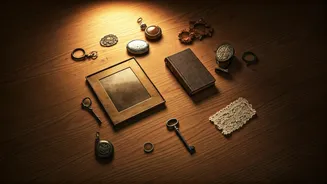
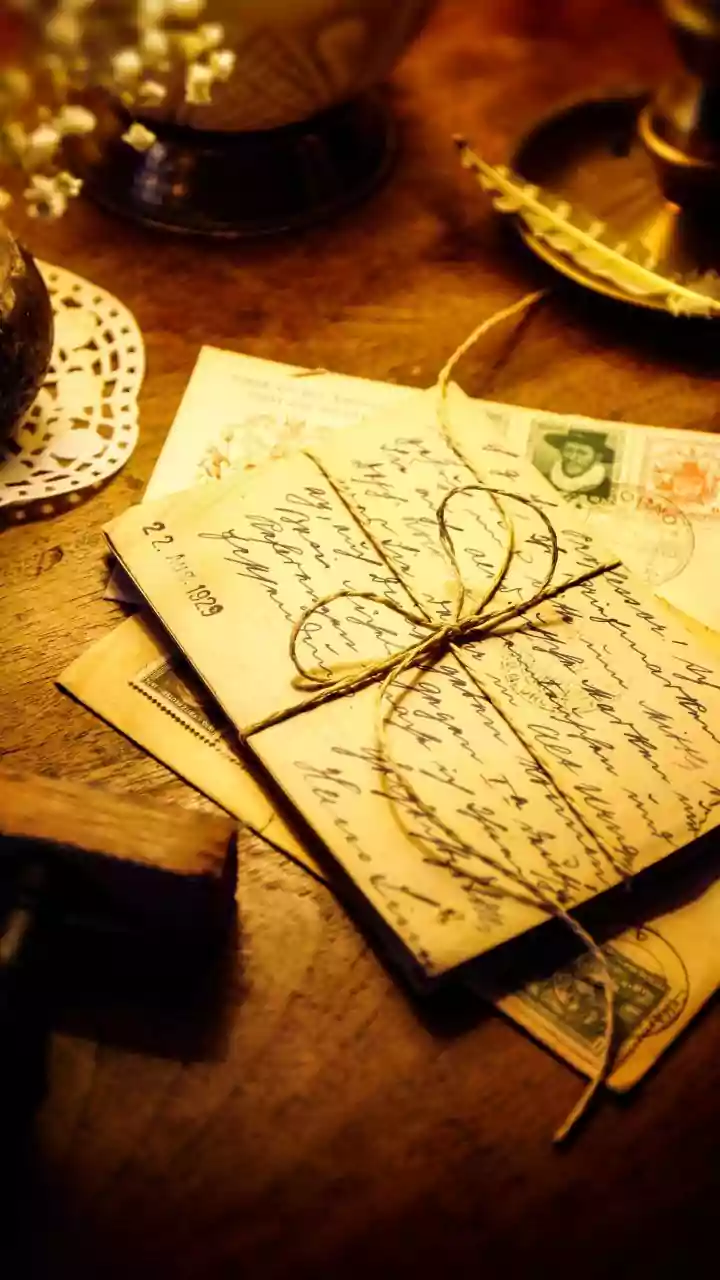
online space where individuals can share the rich narratives attached to their family heirlooms. This archive is designed to be a collaborative effort, building a vibrant collection of personal histories that might otherwise be lost to time. By showcasing diverse objects, from the seemingly mundane to the remarkably significant, the museum aims to foster a deeper sense of community and empathy through the universal language of shared memories and familial connections, celebrating the unique tapestry of human experience.
Heirlooms as Storytellers
Heirlooms are far more than just old possessions; they are living testaments to the passage of time and the unfolding of lives. Consider a cherished cat-shaped kettle, passed down through generations, each person guarding it with a mixture of awe and affection. These objects often become focal points for family gatherings, sparking conversations and eliciting countless anecdotes. The Museum of Material Memory recognizes this inherent power of heirlooms, understanding that their true value lies not in their origin, but in the countless moments and memories they have silently witnessed. The museum's mission is to give these artifacts a voice, allowing their stories to be shared and preserved for posterity.
Crowdsourcing Memories
This digital museum thrives on a crowdsourced model, empowering individuals to become active participants in preserving their own histories. Contributors are encouraged to share not only the objects themselves but also the intricate stories woven around them. This process often involves collaborative storytelling, where younger generations engage with older family members to piece together fragmented memories and reconstruct the object's lineage. The founders believe that this collective endeavor creates an organic archive, reflective of diverse experiences rather than a singular perspective. The act of documenting these narratives is crucial, as many stories risk fading into obscurity if not captured in the present moment, making the museum a vital platform for ancestral remembrance.
Unearthing Hidden Narratives
The Museum of Material Memory's documentation process is intentionally thorough, often revealing surprising and deeply personal narratives. Take, for instance, the intriguing story of a sculpted Burmese crocodile. This teakwood artifact, transported to India in the early 20th century, led researchers on an extensive exploration of regional history, cultural iconography, and even wartime anecdotes. The extensive research undertaken to ensure factual accuracy concerning the object, its historical context, and the family's connection highlights the project's commitment. This meticulous approach ensures that each story presented does justice to its subject, transforming seemingly ordinary items into windows into complex historical and personal journeys, with over 187 stories already cataloged.
Generational Bonds Forged
The act of contributing to the Museum of Material Memory often serves as a powerful catalyst for intergenerational bonding. Many submissions begin with a younger family member's curiosity, prompting them to seek out the recollections of parents, grandparents, or other elder relatives. This collaborative effort transforms the task into an investigative journey of conversations and shared remembrance, particularly valuable when memories have faded or key individuals are no longer present. The example of the Bahl family tree illustrates this beautifully. When a photocopied family tree surfaced, Raunaq and his grandfather used it as an opportunity to practice Urdu while tracing their lineage. This process highlighted not only familial connections but also the often-overlooked contributions of women within family histories.
Whisky Glasses and Tablecloths
The museum embraces a wide spectrum of objects, from the deeply personal to those reflecting broader cultural shifts. The story of a set of 1970s whisky glasses, originally purchased for a great-grandfather, exemplifies this. While seemingly simple, these delicate glasses became symbols of inheritance, ritual, and remembrance for Karan Singh Matharoo, connecting him to a patriarch he only knew through stories. The exploration extended to the introduction of glassware into Indian drinking culture and popular design trends of the era. Similarly, an embroidered tablecloth bearing the words 'Sweet Dreams' tells a poignant story of Debosmita Samanta's aunt, offering a touching and ironic glimpse into a life of unfulfilled hopes, underscoring the museum's focus on everyday objects that carry profound emotional weight.
A Repository of Emotion
The Museum of Material Memory extends its embrace to include items that have witnessed both joy and sorrow, acting as repositories of deep emotional significance. A traditional wooden thekua mould, used for crafting festive cookies during Chhath Puja, exemplifies this. Passed down through generations, this mango wood carving tool not only stamped celebratory sweets in a vibrant ancestral home but also bore witness to personal grief and eventual resilience. Its journey across time signifies its role in marking occasions of happiness, enduring periods of silence, and eventually returning to its ceremonial use. Ultimately, Navdha and Aanchal aspire for the museum to be a space where families can confront their pasts, giving a listening ear to the silent narratives held within their cherished possessions.