




Countertop Styles to Retire
Interior designers are collectively signaling that certain kitchen countertop styles are firmly rooted in the past, specifically mentioning looks that were
popular around 2010. The emphasis is shifting towards materials and designs that offer a cleaner, more contemporary aesthetic. This includes moving away from overly busy patterns or finishes that can make a kitchen feel dated. Instead, the focus is on stones with subtle, calm movements, providing a sophisticated backdrop that doesn't overwhelm the space. Attention to detail, such as paying close attention to countertop seams and ensuring they are as unobtrusive as possible, is also paramount in achieving a high-end look. This careful consideration of material choice and its execution is key to avoiding the visual clutter that can detract from a modern kitchen's appeal.
Cabinetry Choices for Modernity
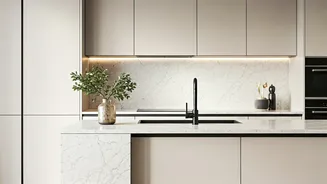
When it comes to kitchen cabinetry, the advice from design professionals is clear: embrace simplicity and muted tones. The trend is moving away from ornate detailing or overly complex silhouettes. Instead, opt for cabinetry with clean lines and a streamlined appearance. Soft, calming colors are favored, creating a serene and inviting atmosphere. Furthermore, extending cabinets all the way to the ceiling is a highly recommended strategy. This not only maximizes storage space but also creates a sense of height and grandeur, making the kitchen feel more expansive and cohesive. This approach prevents the common issue of an awkward gap between the cabinets and the ceiling, which can make a kitchen look unfinished and cramped.
Space-Enhancing Illumination
Making a kitchen feel larger often comes down to smart lighting solutions, and designers emphasize the crucial role of under-cabinet lighting. This type of lighting is not just for aesthetics; it provides functional illumination directly onto the countertops, significantly reducing shadows and improving visibility for tasks. This added light brightens the entire workspace, making the kitchen feel more open and inviting. Beyond under-cabinet fixtures, the overall lighting scheme should be considered to ensure a well-lit and airy environment. Proper lighting is a powerful tool for transforming even the most compact kitchen into a more spacious and functional area, making it a key consideration for anyone looking to maximize their kitchen's perceived size and usability.
Outdated Tile Colors & Finishes
Specific tile colors and finishes are being flagged by interior designers as belonging to previous design eras and are now considered outdated. This includes certain classic tile styles that have been around for a considerable time, with designers suggesting it's time to explore more contemporary alternatives for 2026. Instead of relying on colors that have lost their modern appeal, the recommendation is to embrace updated palettes and patterns. For instance, rather than sticking with colors widely perceived as out of fashion, consider the emerging tile trends that offer fresh perspectives. This could involve exploring new textures, more sophisticated color schemes, or contemporary interpretations of classic designs to keep the kitchen feeling current and stylish.
Metal Finishes Consistency
A subtle yet significant detail that impacts the overall polished look of a kitchen is the consistency of metal finishes. Designers strongly advise against mixing too many different types of metal within the same space. This means coordinating hardware, faucets, light fixtures, and any other metal accents to create a harmonious and cohesive design. Whether you choose brushed nickel, matte black, or brass, sticking to one or a closely related family of finishes prevents visual discord. Inconsistency can make a kitchen appear cluttered and less intentionally designed. By maintaining a unified metal finish, you elevate the space, contributing to a more sophisticated and curated aesthetic that designers often highlight.
Smart Countertop Integration
Elevating kitchen design involves more than just selecting a beautiful countertop material; it’s also about how it's implemented. One particularly impactful technique recommended by designers is running the countertop stone material directly into the backsplash. This creates a seamless, unified look, blurring the lines between surfaces and lending a sense of continuous flow. This integrated approach not only looks exceptionally sleek and modern but also simplifies cleaning, as there are fewer grout lines or transition points. Furthermore, maintaining a slim edge profile for the countertop is advised. A minimalist edge design complements the overall clean and contemporary aesthetic, avoiding the bulky appearance of older styles and contributing to a more refined kitchen environment.
Maximizing Small Kitchens
For those grappling with compact kitchen dimensions, designers offer a wealth of strategies to make the space feel significantly larger and more functional. One key tactic involves extending cabinetry all the way to the ceiling, which not only provides ample storage but also draws the eye upward, creating an illusion of height. Incorporating smart layout solutions, such as efficient kitchen layouts designed to maximize workflow and style, is also crucial for optimizing limited square footage. Attention to detail, like using slim countertop edges and investing in excellent under-cabinet lighting, further enhances the sense of space. These adjustments, often small in scale, contribute to making a small kitchen feel twice as big, proving that thoughtful design can overcome spatial constraints.