




Appetizers: Delightful Beginnings
Begin your Chinese vegetarian culinary journey with some amazing appetizers. Consider the spring rolls, which are incredibly crispy on the outside and
filled with a savory mix of vegetables like cabbage, carrots, and bean sprouts. They're often served with a sweet chili dipping sauce, providing a perfect contrast in flavors. Another great choice is vegetable dumplings, which can be steamed, fried, or boiled. The filling usually consists of a mixture of finely chopped vegetables like mushrooms, spinach, and ginger. Potstickers, a type of pan-fried dumpling, are also a popular choice, known for their crispy bottoms and soft, chewy tops. For something lighter, try the crispy wontons filled with a mixture of vegetables and served with a dipping sauce, or consider the flavorful edamame, lightly salted and steamed to perfection. Each of these appetizers sets the stage for a delicious Chinese vegetarian meal.
Soups: Comforting Bowls
Soup is a staple in Chinese cuisine and there's a wide range of vegetarian options to explore. A classic is hot and sour soup, known for its complex flavors – tangy, spicy, and savory – with ingredients like tofu, mushrooms, bamboo shoots, and wood ear fungus. Another comforting option is vegetable noodle soup, a simple yet satisfying dish that can be customized with various vegetables like carrots, bok choy, and snow peas, often served with wheat noodles. For a creamy alternative, consider corn soup, which is made with sweet corn kernels, and often includes egg and a touch of white pepper. Mushroom soup is also a popular choice, featuring a variety of mushrooms that enhance the umami flavors. Each soup offers a unique taste and texture, perfectly complementing the other dishes and adding warmth to the meal.
Noodle Dishes: Flavorful Staples
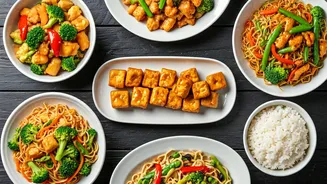
Noodles are a key component of Chinese cuisine, and vegetarian options abound. Chow mein, with its stir-fried noodles and vegetables like cabbage, carrots, and bean sprouts, is a crowd-pleaser. The noodles are typically tossed with a soy-based sauce and sometimes include tofu or mushrooms. Lo mein is similar to chow mein but has softer noodles and a thicker sauce, often featuring a richer flavor. Another option is vegetable fried noodles, a simple and quick dish using cooked noodles and an assortment of vegetables. For a spicier option, try the Sichuan-style noodles, often flavored with chili oil and other spices, and can be garnished with peanuts and sesame seeds. Each noodle dish offers a unique combination of textures and flavors, making them a satisfying and versatile part of the vegetarian Chinese meal.
Rice Dishes: Versatile Base
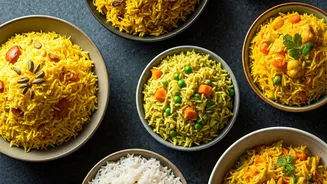
Rice is another essential element of Chinese vegetarian cooking, serving as a versatile base for many dishes. Vegetable fried rice is a popular choice, combining cooked rice with various vegetables like peas, carrots, and corn, often flavored with soy sauce and sesame oil. This dish is great for using up leftover rice and is easily customizable with various vegetable additions. For a more flavorful option, consider mushroom rice, where the rice is cooked with flavorful mushrooms, and seasonings, enhancing the overall taste and texture. Another good option is plain steamed rice, which offers a neutral base to pair with the other dishes. Each rice dish provides a foundation for the main courses, contributing to a well-rounded and satisfying meal. You can easily adjust them based on your preferences or available ingredients to suit any culinary needs.
Tofu Dishes: Protein Power
Tofu is a versatile ingredient in Chinese vegetarian cuisine, providing protein and texture. Mapo tofu, a Sichuan classic, features soft tofu in a spicy, savory sauce made from fermented black beans, chili bean paste, and a blend of spices. Another popular choice is tofu stir-fry with a variety of vegetables like broccoli, bell peppers, and snap peas, providing a combination of textures and flavors. Crispy tofu, deep-fried to golden perfection and served with a dipping sauce, is a simple yet satisfying dish. Tofu can also be used in braised dishes, where it's slow-cooked in a flavorful sauce, absorbing the savory flavors, or can be added to soups and stews for an extra protein boost. These dishes demonstrate the versatility of tofu, allowing you to create diverse and delicious vegetarian meals.
Vegetable Stir-Fries: Colorful Creations
Stir-fries are a fast and flavorful way to prepare vegetables in Chinese cuisine. Mixed vegetable stir-fry with a variety of vegetables like broccoli, carrots, and mushrooms, is a common and healthy dish. It is often seasoned with soy sauce, garlic, and ginger. Bok choy with garlic is another simple yet flavorful option, highlighting the natural sweetness of the bok choy. Another great choice is a stir-fry with snow peas and water chestnuts, offering a delightful crunch. Stir-fried green beans with garlic and soy sauce is a simple dish that can be made in just minutes. Stir-fries are a great way to incorporate a variety of vegetables into your meal, offering both nutritional benefits and a variety of textures and flavors. Each recipe offers a simple way to create tasty and quick meals.
Dumpling Varieties: Handmade Delights
Dumplings come in various forms and fillings, making them a versatile component of Chinese vegetarian cuisine. Vegetable dumplings, filled with a mixture of finely chopped vegetables and often seasoned with ginger and garlic, can be steamed, boiled, or pan-fried. Mushroom dumplings, showcasing the earthy flavor of mushrooms, provide a delicious alternative. Another great choice is to make the spicy vegetable dumplings, featuring a mixture of vegetables with a chili-based sauce. Dumplings are a fun and customizable dish that lets you try various flavors and textures, ensuring a satisfying and enjoyable dining experience. You can choose to cook them in different ways depending on your texture preferences, with each method contributing something unique to the taste.
Sauces & Spices: Flavor Enhancers
Sauces and spices are essential to adding depth and complexity to Chinese vegetarian dishes. Soy sauce provides a savory base for many dishes, while oyster sauce adds a salty and umami flavor (though a vegetarian version is available). Chili oil is a must-have for those who enjoy a spicy kick. Other options include sesame oil, which adds a nutty aroma, and black bean sauce, which is often used in stir-fries. Ginger and garlic are frequently used to create a flavorful base. To enhance the flavor of your dish, feel free to try various combinations of these ingredients. Using the right balance of spices, sauces, and seasonings will greatly boost the flavors of your dishes, resulting in an exciting, authentic experience.
Side Dishes: Complementary Flavors
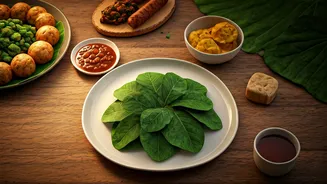
Side dishes add a final touch to the vegetarian Chinese meal. Steamed or stir-fried greens, like baby bok choy or spinach, offer a healthy and flavorful addition. Pickled vegetables, such as cucumber salad, provide a refreshing contrast to richer dishes. Spring rolls, often served as appetizers, can also be enjoyed as a side. These side dishes contribute to the balance of flavors and textures in the meal, providing a complete and satisfying dining experience. They also offer a balance to the richness of the main dishes and enhance the overall dining experience, adding fresh and light components to balance the meal.
Desserts: Sweet Endings
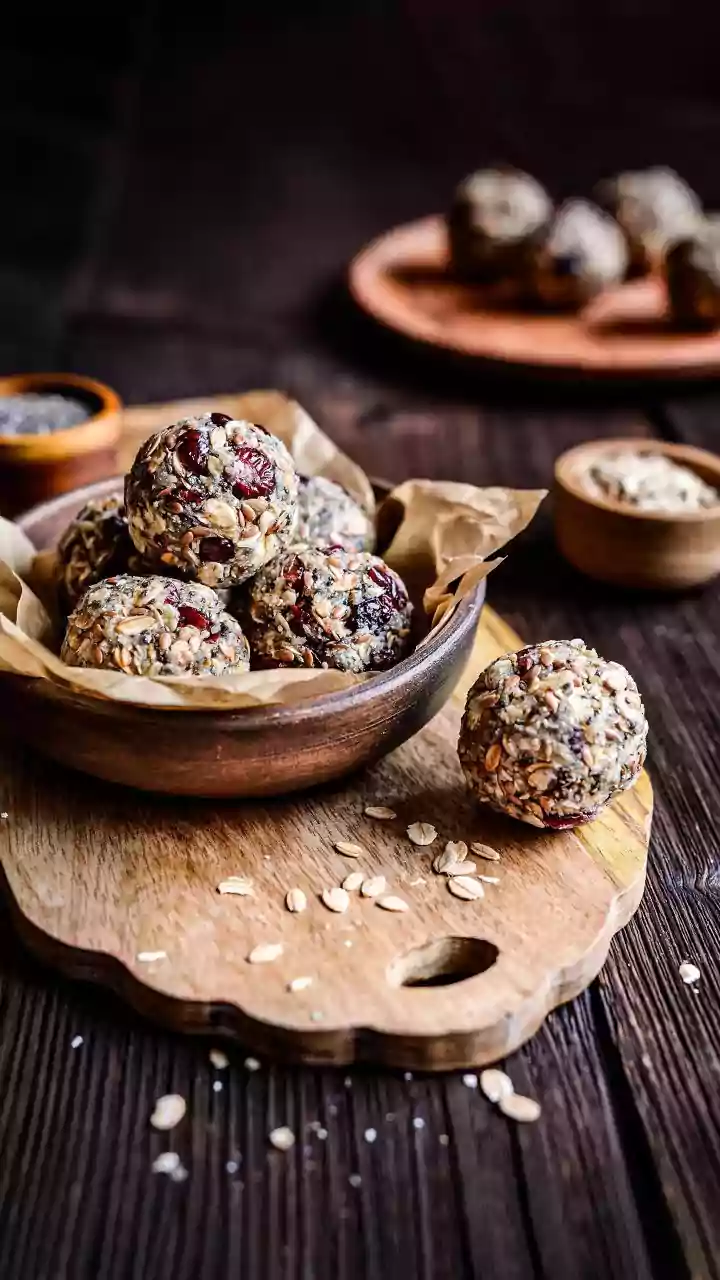
Finish off your vegetarian Chinese meal with a selection of desserts. Consider sesame balls, which are deep-fried glutinous rice balls coated in sesame seeds. These provide a chewy texture and satisfying sweetness. Another choice is fruit platters, which are a refreshing and light way to end the meal, showcasing seasonal fruits. For something more unique, try red bean soup, which is a sweet and comforting dessert. Mango pudding is also a popular choice, providing a smooth and creamy texture with a tropical flavor. Each dessert provides a sweet and satisfying conclusion to the meal, ensuring that you end the meal on a high note, adding to the memorable experience.