







Leg Strength & Brain Link
A remarkable connection has been identified between the strength of your leg muscles and the acuity of your brain. This intriguing relationship suggests
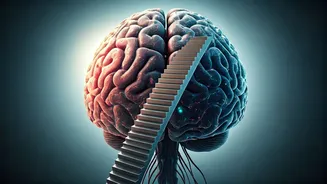
that robust lower body strength isn't just about physical mobility and athletic performance; it plays a significant role in maintaining cognitive sharpness. Medical professionals, including gastroenterologists trained at prestigious institutions like AIIMS, are highlighting this phenomenon. They explain that investing in your leg muscles can directly benefit your brain's health, influencing neural pathways and potentially slowing cognitive decline. This perspective encourages a more integrated approach to fitness, viewing leg workouts as a direct investment in mental vitality and long-term brain health.
The Science of Leg Power
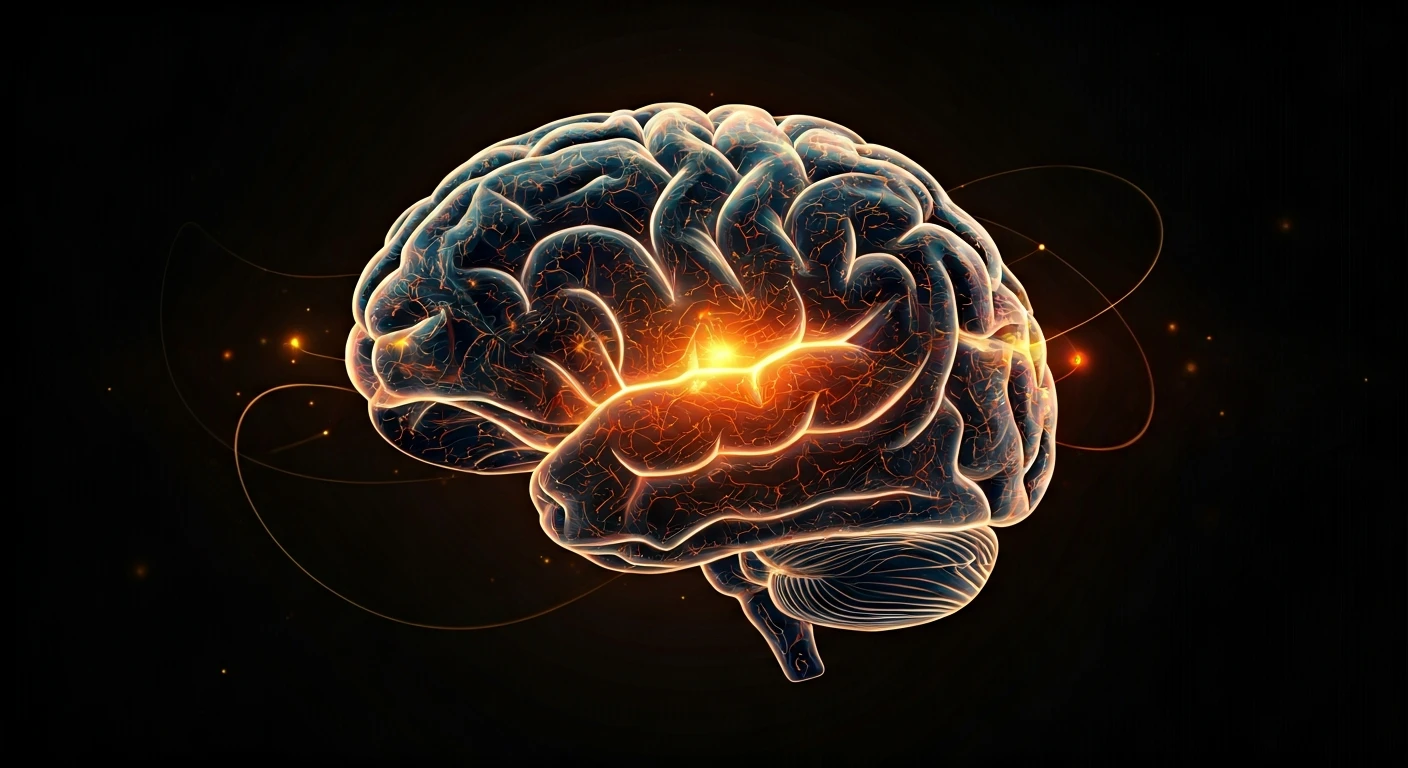
Decades of research have begun to illuminate the profound impact of leg strength on cognitive function, even controlling for genetics. A notable 10-year study involving 324 female twins aimed to pinpoint factors predicting cognitive aging. By meticulously tracking variables such as leg power, physical activity levels, dietary habits, blood pressure, and broader lifestyle choices, researchers observed a compelling correlation. The study's findings revealed that the twin with superior leg strength exhibited greater grey matter volume and a larger hippocampus, a critical area for memory. This held true irrespective of genetic similarities, highlighting leg strength as a powerful predictor of 10-year cognitive change, overall grey matter volume, and even the size of the lateral ventricles, a known marker of brain aging.
Why Legs Boost Brains
The connection between strong legs and a healthy brain can be attributed to several key physiological mechanisms. Firstly, leg exercises stimulate neural stem cell production, sending vital signals to the brain that encourage the creation of new brain cells; conversely, reduced leg activity can lead to a dramatic drop in these essential cells. Secondly, lower body training significantly boosts the release of BDNF (brain-derived neurotrophic factor), a crucial protein that supports neuron growth and connectivity. Given their larger size, leg muscles have a disproportionately greater impact on BDNF levels compared to upper body muscles. Thirdly, engaging larger leg muscles increases cardiovascular demand, ensuring a greater supply of oxygen and vital nutrients reaches the brain, which is fundamental for neuronal health, repair, and optimal cognitive function.
Essential Leg Exercises
To cultivate this vital leg strength that supports cognitive health, a selection of effective exercises is recommended. Squats are a foundational movement, engaging the quadriceps, hamstrings, and glutes to build comprehensive lower body power; they can be adapted for all fitness levels. Lunges are excellent for enhancing balance and individually strengthening the leg muscles, also engaging the core. Calf raises specifically target the calf muscles, crucial for ankle stability and efficient walking, and can be performed with or without added resistance. Glute bridges, while primarily focused on the gluteal muscles, also work the hamstrings and contribute to overall lower body stability. Finally, wall sits provide an isometric challenge that builds endurance in the quadriceps, strengthening thigh muscles through sustained effort.
5 Key Leg Exercises
To effectively build the leg strength linked to enhanced cognitive function, incorporate these five key exercises into your routine. Deep squats, focusing on range of motion and gradually increasing weight, are paramount for muscle development. Leg presses directly mimic the movement patterns observed in studies linking leg strength to brain health, offering a controlled way to build power. Step-ups, emphasizing single-leg exertion, translate directly to improved functional strength for daily activities. Lunges, pushing for deeper stances, allow for greater power generation and muscle engagement. Finally, box jumps are exceptional for training fast-twitch muscle fibers, which are prone to decline with age and are important for quick, explosive movements, thus contributing to overall physical and cognitive resilience.