



The Growing Concern
Cardiologists are increasingly observing a troubling rise in heart disease among men under the age of 45, a demographic traditionally not associated with
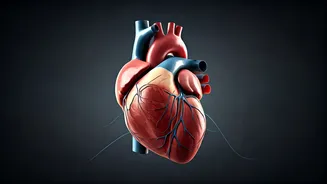
such conditions. Experts note that silent cardiac risks are escalating significantly within this age group, often without any apparent outward symptoms. This shift indicates that cardiovascular issues are no longer exclusive to older individuals; conditions like early atherosclerosis, borderline high blood pressure, insulin resistance, and elevated cholesterol levels are now frequently developing in younger men, frequently progressing undetected. The modern way of life, characterized by sedentary habits, constant stress, inadequate sleep, smoking, and poor dietary choices, plays a substantial role in accelerating cardiovascular damage over time. Furthermore, a genetic predisposition, particularly a family history of premature heart disease, amplifies these risks. These combined factors silently harm blood vessels, significantly increasing the chance of severe cardiac events at a relatively young age if preventive measures are neglected.
Subtle Signs to Heed
A significant challenge in detecting early heart disease in younger men is the absence of the classic, intense chest pain often associated with heart attacks. Instead, individuals may experience a range of less obvious symptoms that are frequently dismissed or attributed to other causes. These can include persistent, unexplained fatigue, shortness of breath even during minimal physical exertion, frequent indigestion, or a mild, fleeting chest discomfort. Other indicators might be dizziness, noticeable heart palpitations, or disturbances in sleep patterns. It's also important to note that discomfort might radiate to the jaw, neck, shoulder, or back, rather than presenting solely in the chest. An increase in anxiety levels, a noticeable decrease in exercise capacity, or ongoing fatigue can also signal underlying stress on the cardiovascular system. Recognizing these subtle red flags and seeking prompt medical assessment is vital for averting more serious cardiovascular complications.
Factors Fueling Risk
The onset of early heart disease in men is seldom the result of a single factor; rather, it stems from a complex interplay of lifestyle, metabolic, and genetic influences. Key lifestyle contributors include smoking, excessive consumption of alcohol, maintaining a high body weight, enduring chronic stress, and leading a physically inactive life, all of which substantially elevate cardiovascular risk. Compounding these issues are underlying health conditions such as diabetes, hypertension (high blood pressure), unhealthy cholesterol profiles, and sleep disorders. Indirectly, environmental factors like pollution and prolonged exposure to screens can promote sedentary behaviors and systemic inflammation within the body. A significant predictor of early heart disease risk is also a strong family history, indicating a genetic susceptibility that warrants heightened vigilance.
Proactive Screening Saves
Emphasizing proactive prevention, experts strongly advocate for early and regular health check-ups for men, even in their younger years. Essential baseline screenings include routine blood pressure monitoring, comprehensive lipid profile tests to assess cholesterol levels, blood sugar assessments for diabetes risk, and body mass index (BMI) measurements. Beyond these fundamental checks, an electrocardiogram (ECG) can identify any abnormalities in the heart's rhythm. In specific clinical situations, an echocardiogram, which provides images of the heart, might be recommended. For a more detailed assessment, individuals may be advised to undergo stress testing, coronary calcium scoring (which detects calcified plaque in the arteries), or advanced blood marker analysis. Early detection through these screenings enables timely adjustments to lifestyle habits and, when necessary, the implementation of medical interventions, significantly improving the chances of preventing major cardiovascular events.