






A Volcanic Masterpiece
Millions of years ago, a colossal volcanic eruption sculpted the dramatic landscape of Chiricahua National Monument, earning it the moniker "wonderland
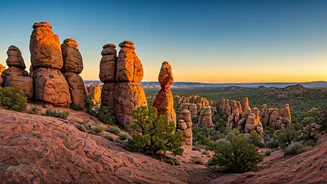
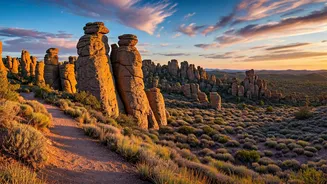
of rocks." This geological spectacle is characterized by an astonishing array of formations, including towering mountains, slender spires, and delicately balanced rocks that evoke images of organ pipes, totem poles, and even melting candles. The visual effect is profoundly otherworldly and deeply mystical, setting it apart from more conventional desert scenery. Nestled within one of Arizona's distinctive "sky islands"—mountain ranges that rise above the surrounding desert to foster cooler, forested environments—the Chiricahuas are a haven for a wide spectrum of life. The lower elevations are adorned with mesquite and acacia trees, while the upper reaches are cloaked in Douglas firs and ponderosa pines. The park's diverse flora supports a rich fauna; road signs often caution visitors to watch for coatimundi, agile members of the raccoon family, and other common sightings include javelinas, bobcats, and approximately 200 different bird species. Remarkably, this region also provides a critical habitat for elusive creatures like the jaguar and ocelot, underscoring its ecological significance.
Echoes of History
Beyond its geological wonders and ecological richness, Chiricahua National Monument is steeped in a surprising amount of human history. Evidence suggests the Nde, also known as the Apache people, were among the first inhabitants of this land. Centuries later, the rugged terrain of the Chiricahua Mountains became the stage for the intense "Apache Wars," a prolonged period of resistance where notable Nde leaders like Cochise and Geronimo fought valiantly for 24 years against forced relocation by U.S. troops. Following this turbulent era, the land was settled by Swedish immigrants, the Erickson family. Today, visitors can immerse themselves in this layered history by exploring the monument's 17 miles of trails and experiencing its surreal landscapes firsthand. A visit to the Erickson homestead offers a poignant glimpse into the lives of early settlers in this isolated wilderness. Following this, a stop at the visitor center is essential for obtaining park maps and advice from rangers before venturing further into the monument's embrace.
Exploring the Trails
Chiricahua National Monument offers a diverse trail system catering to various hiking levels. The Massai Point, an eight-mile scenic drive, concludes at a 6,870-foot viewpoint. From here, a gentle, half-mile paved path provides breathtaking panoramic desert vistas. For those seeking a bit more adventure, the trail extends to the Heart of Rocks, a 3.4-mile loop showcasing the erosive power of nature. While the grottoes, just half a mile in, are a worthwhile stop to witness this artistry, continuing the loop offers a more comprehensive experience. More seasoned hikers can tackle the 7.3-mile Heart of Rocks trail, which leads to some of the monument's most iconic geological formations, including the Big Balanced Rock, Thor's Hammer, and the Kissing Rocks. This trail, centrally located within the park's main network, can easily consume a full day and requires preparation for steep ascents, descents, uneven terrain, and high altitude. Hikers should plan their routes using access points like Lower Rhyolite Canyon and Echo Canyon. For multi-day adventurers, the nearby comfortable lodging at the Triangle T Ranch or the rustic camping within the monument itself, a designated International Dark Sky Park, offer unique overnight experiences under exceptionally clear skies.
Beyond the Monument
While Chiricahua National Monument is a spectacular destination in its own right, it also serves as an excellent base for exploring the surrounding southeastern Arizona region. A half-day visit to the monument allows ample time to discover the charming nearby town of Willcox and its burgeoning wine country. Visitors can indulge in wine tastings at various local vineyards and wineries, such as Zarpara Vineyard, where estate wines and craft beers are offered, alongside vineyard tours and farm animal encounters. Many wineries, like Carlson Creek Vineyard, also provide on-site dining. In downtown Willcox, you can browse antique shops, catch a film at the historic Plaza Theatre, or delve into cowboy lore at the Chiricahua Regional Museum. For culinary delights, The Old School serves breakfast and specialty coffees, while Mary's Cafe is renowned for its homemade pies and local artisan goods. For a taste of authentic Mexican cuisine, El Encanto Cocina served in a converted tortilla factory, is a popular choice. These nearby attractions offer a well-rounded experience, blending natural beauty with local culture and gastronomy.
Planning Your Visit
Chiricahua National Monument is notably less crowded than Arizona's more famous parks, even during its peak seasons, making it an attractive escape. The ideal times to visit are spring (March to May) and fall (September to November), offering pleasant daytime temperatures and inviting trail conditions. Spring is particularly beautiful with desert wildflowers blooming. Winter offers potential for snow and ice on trails, but it's also excellent for birdwatching, with opportunities to witness the annual sandhill crane migration at the nearby Whitewater Draw State Natural Area. Summer, though warmer, is often tempered by the monument's higher elevation, typically seeing highs in the 80s and low 90s. July through September marks the monsoon season, bringing dramatic skies and thunderstorms. A seasonal shuttle, usually operating on weekends from January to April, can facilitate downhill hikes by starting visitors at higher trailheads. Essential preparation includes carrying ample water (at least one liter per hour of hiking), wearing appropriate gear, informing someone of your route, and being mindful of weather forecasts. Cell service is very limited, so carrying a paper map is strongly advised.