



A Flavorful Revelation
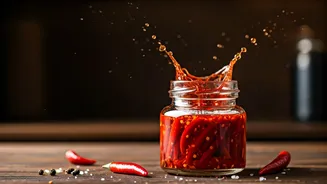
The potent liquid left behind after pickling chiles, often mistakenly poured down the drain, is a remarkably versatile condiment. This brine is not merely
a byproduct; it's a ready-made infusion packed with the essential elements of taste: sharpness from acidity, a kick of heat, and a distinct saltiness. Rather than discarding this valuable ingredient, consider it a shortcut to enhancing the complexity of your meals. It's an economical and efficient method to elevate existing ingredients, bringing a balanced profile of flavors that would typically require multiple steps to achieve. Embracing this liquid means maximizing the potential of what you already have, turning waste into a culinary advantage with minimal effort and significant flavor reward.
Global Culinary Traditions
The practice of using chile-infused vinegars is deeply embedded in culinary traditions worldwide, showcasing a shared appreciation for their unique flavor profile. In Thailand, 'prik nam som' is a prominent condiment, created by steeping smashed Thai chiles in white vinegar, offering a piquant counterpoint to various dishes. Similarly, the Philippines utilizes fermented sugarcane vinegar infused with chiles, with popular brands making this distinctive taste accessible. Venturing to the American South, hot pepper vinegar is a familiar sight on tables, frequently used to enliven hearty greens like collard. These global examples highlight a common thread: the power of chile vinegars to deliver a sharp, zesty punch and heat, effectively balancing rich, fatty foods and revitalizing simpler preparations.
Everyday Culinary Applications
Pickled chile vinegar can be integrated into daily cooking in several impactful ways, serving as a dynamic flavor enhancer. Its most straightforward application is as a finishing agent, where a small drizzle over grilled fish, roasted meats, or vegetables can provide a much-needed burst of brightness and depth. It functions as a highly effective shortcut for seasoning, as it already contains salt and heat, eliminating the need for separate additions of citrus or vinegar. Furthermore, this flavorful liquid excels in marinades. Its acidic nature helps to tenderize proteins, breaking down tough fibers and infusing the meat with its characteristic tang and spice. For instance, it can be a key component in a marinade for fried chicken wings, imparting both a subtle heat and a pleasant tartness. However, when aiming for a deeply caramelized crust on meats, it's advisable to pat the surface dry before cooking, as high acidity can sometimes hinder the Maillard reaction.