

Understanding Garden Soil
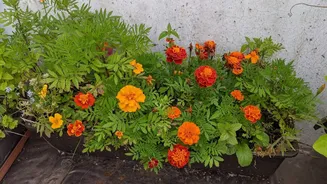
Garden soil, often found in pre-packaged bags, is primarily a blend of topsoil and enriching organic materials like compost or manure. Its composition
is engineered to strike an optimal balance between retaining sufficient moisture for root absorption and allowing excess water to drain away effectively. This carefully calibrated mix aims to create a fertile foundation for plants intended for in-ground cultivation. While native soils might support plants adapted over millennia, most cultivated garden varieties require amendments to flourish. Garden soil frequently acts as a soil amendment, enhancing the quality of your existing native soil. Topsoil itself, a more basic component consisting of clay, silt, and sand, is less fertile and generally less expensive, making it suitable for larger landscaping projects where extreme fertility is not the primary concern.
The Purpose of Potting Soil
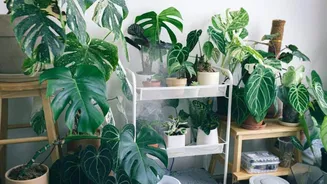
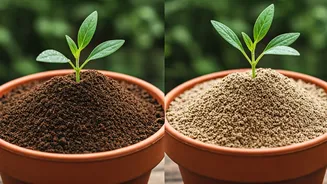
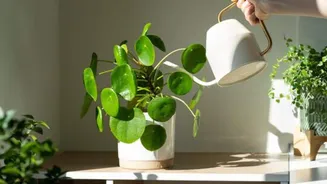
The term 'potting soil' can be a source of confusion due to its varied applications and formulations. Fundamentally, potting soil is designed to be lighter and more aerated than garden soil, which is crucial for plants grown in containers. This enhanced aeration facilitates superior drainage, preventing waterlogging that can be fatal to potted plants. Depending on the specific product, potting soil can be a mix of ingredients such as coconut coir, compost, bark, added fertilizers, perlite, vermiculite, peat moss, and sometimes a small amount of soil. It's important to distinguish 'potting mix,' which contains no actual soil, from 'potting soil.' Potting mix is typically sterile, making it ideal for starting seeds, and compensates for the absence of soil with a higher proportion of perlite or vermiculite, resulting in an even lighter medium than standard potting soil and significantly lighter than garden soil.
Application Scenarios
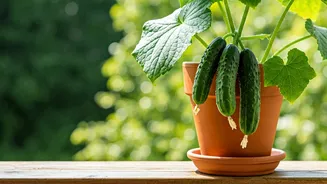
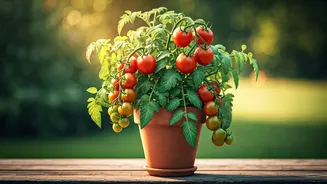
The choice between garden soil and potting soil hinges entirely on where you're planting. Garden soil is the go-to for in-ground beds. You can use it to quickly improve native soil, giving you a head start on creating a fertile environment for your garden, especially if you are looking to establish plants that prefer consistently moist conditions, like those for a bog garden. It's also beneficial for planting trees and shrubs directly into the ground when the existing soil lacks adequate nutrients. Potting soil, conversely, is exclusively for container gardening. This includes a wide array of vessels, from small individual plant pots and window boxes to larger whiskey barrels and substantial terra cotta containers housing multiple plants. The key takeaway is that potting soil's excellent drainage is non-negotiable for container success, preventing root rot, a common pitfall when garden soil is mistakenly used in pots.
Avoiding Costly Mistakes
Substituting garden soil for potting soil in containers is a frequent and potentially plant-killing error. Garden soil is formulated to retain more moisture, which is beneficial for in-ground gardens where water can drain into the earth. However, in pots, this retained moisture can lead to waterlogged conditions, creating an environment ripe for root rot, ultimately suffocating your plants. If you find yourself with garden soil and need a potting mix, a DIY solution involves combining equal parts garden soil, perlite or vermiculite, and peat moss in a wheelbarrow and mixing thoroughly. This process helps to lighten the soil and improve its drainage characteristics, making it more suitable for container use, though it's still not a perfect substitute for a commercially prepared potting mix.