




Why Build Beyond Earth?
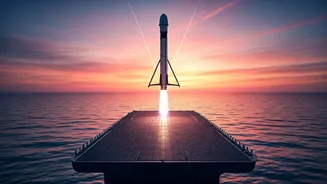
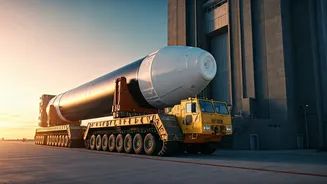
The immense expense of launching materials from our planet to space, often costing between $2,000 to over $10,000 per kilogram, has historically placed
significant constraints on ambitious space endeavors. This economic hurdle means that constructing anything substantial in orbit, from crucial satellite components to potential future space habitats, becomes prohibitively expensive. In-space manufacturing presents a groundbreaking solution to this challenge. By leveraging resources readily available in space, such as lunar regolith or materials harvested from asteroids, and by fabricating items directly on-site, the reliance on costly Earth-based shipments is dramatically reduced. This shift not only slashes operational expenditures but also opens the door to designing and constructing larger, more complex structures and facilitating missions that can endure for extended periods without constant resupply from home.
Key Technologies Enabling Space Production
The realization of manufacturing in orbit is powered by a synergy of cutting-edge technologies. At the forefront is 3D printing, also known as additive manufacturing, which allows for the precise creation of intricate parts and entire structures by building them up layer by layer from various materials. This capability is invaluable for producing tools, replacement parts, and even structural elements for spacecraft and orbital habitats. Complementing this is advanced robotics and automation, which are essential for manipulating materials, operating sophisticated manufacturing equipment, and assembling complex structures within the demanding conditions of space. Automation minimizes the need for human intervention, a critical factor given the high cost and inherent risks associated with sending astronauts on extravehicular activities. Furthermore, the concept of In-Situ Resource Utilization (ISRU) is pivotal, enabling the use of local extraterrestrial resources. For instance, lunar dust can serve as a building material for habitats or as a source for oxygen and water, while asteroids offer potential for mining valuable metals and minerals. Lastly, the development of advanced materials that can withstand the harsh space environment—characterized by extreme radiation, vacuum, and drastic temperature fluctuations—is fundamental to the success of any in-space manufacturing initiative.
Transforming Space Exploration
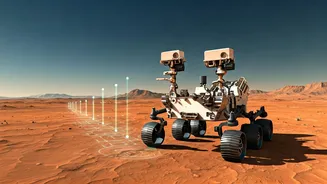
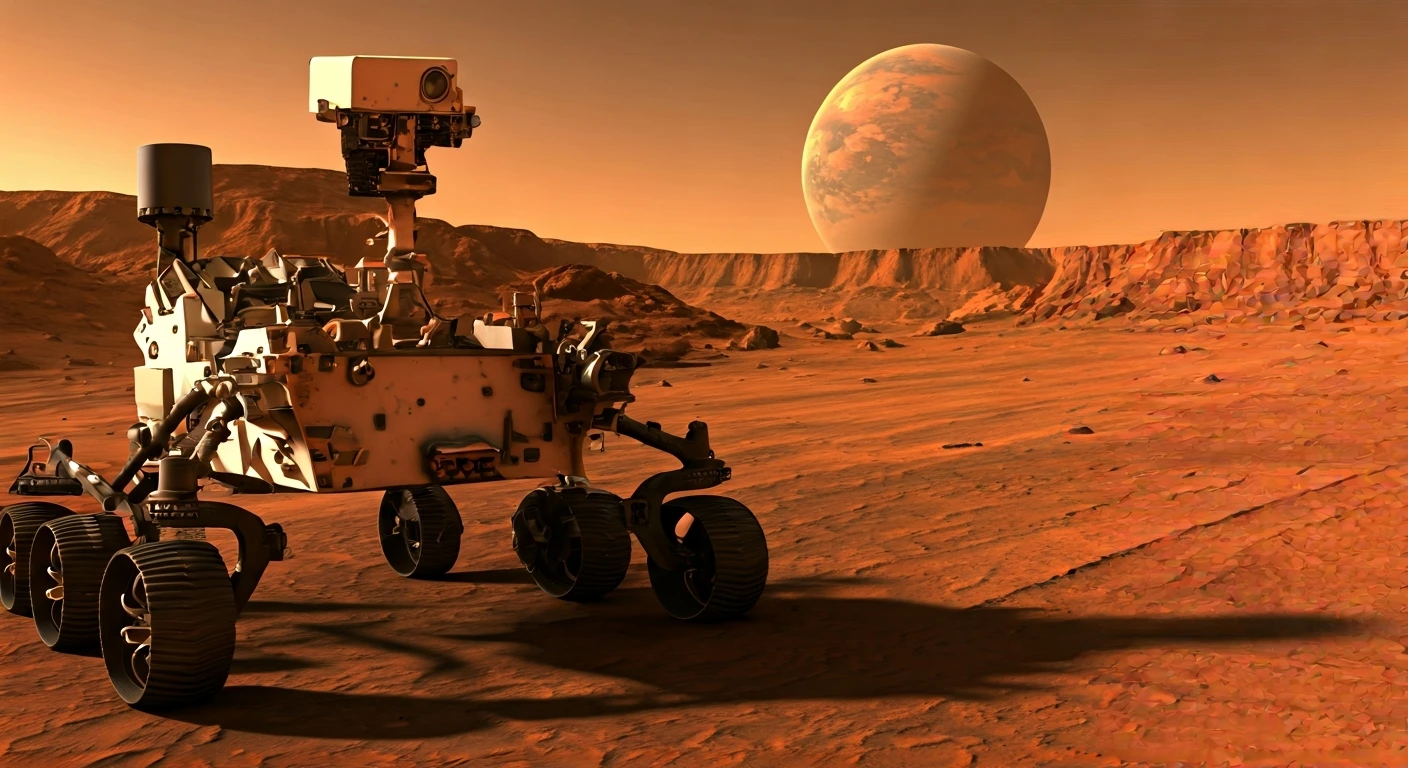
The potential applications for manufacturing in space are remarkably broad, promising to reshape our presence in the cosmos. One significant area is satellite servicing and assembly; imagine producing spare parts or even entirely new satellites while in orbit. This would not only extend the operational life of existing spacecraft but also pave the way for the construction of more powerful space telescopes and extensive communication networks. For lunar and Martian exploration, the ability to construct habitats using indigenous materials like regolith would drastically simplify and reduce the cost of establishing human outposts. Looking further ahead, manufacturing large solar arrays in orbit could facilitate space-based solar power generation, beaming clean energy back to Earth. The prospect of asteroid mining, with the capacity to process materials in space, could unlock vast reserves of precious metals and other essential resources, thereby fueling the growth of future space-based industries.
Navigating Hurdles and Future Outlook
Despite the immense promise, the path to widespread in-space manufacturing is not without its challenges. Ensuring the absolute reliability and stringent quality control of manufactured components in the unforgiving vacuum of space is a paramount concern. Many manufacturing processes demand substantial energy, highlighting the need for highly efficient power generation and storage solutions in orbit. Establishing robust and responsive supply chains for raw materials and necessary spare parts within the vastness of space will be a complex logistical undertaking. Moreover, the development of international standards and clear regulatory frameworks will be crucial for fostering broad adoption and collaboration in this nascent industry. The journey towards a fully integrated in-space manufacturing economy is well underway, with advancing technologies and increasingly apparent economic advantages poised to accelerate the rush to build beyond Earth, heralding a new epoch of human activity in space.