





The LPG Supply Jitters
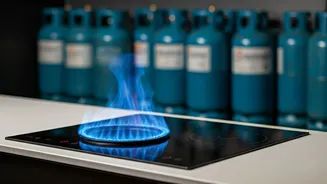
Recent geopolitical tensions in the West Asia region have cast a shadow over the consistent availability of Liquefied Petroleum Gas (LPG), a primary cooking
fuel for many Indian households. This uncertainty has prompted a precautionary shift in consumer behavior, leading many to seek more dependable alternatives for their daily cooking needs. While officials have sought to allay fears, emphasizing secure crude oil supplies and increased domestic LPG production, the perception of potential disruption has already taken root. This anxiety is particularly acute for industrial and commercial consumers, who are currently facing certain limitations in their LPG supply chains, further fueling the search for immediate and reliable cooking solutions across the nation.
Electric Appliances Take Off
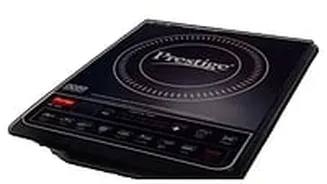
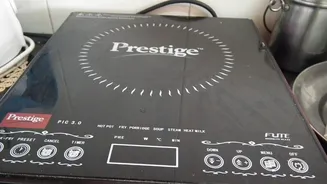
In response to the growing unease surrounding LPG, there has been an unprecedented surge in the demand for electric cooking appliances. Retailers have observed a significant uptick, with sales of induction cooktops multiplying by up to 30 times their usual daily run rate in recent days. Similarly, electric kettles are experiencing a near doubling in sales, while rice cookers and electric pressure cookers have seen a fourfold increase. Even multi-use kettles and air fryers are reporting a twofold rise in consumer interest. This widespread adoption suggests a clear trend towards embracing energy-efficient and alternative cooking methods, with consumers actively purchasing multiple units at once, signaling a move towards securing their kitchen's functionality against potential future shortages.
Manufacturers Ramp Up Production
The dramatic increase in consumer demand for electric cooking solutions has prompted manufacturers to reassess and accelerate their production capabilities. Companies that currently produce a substantial number of induction cooktops, such as approximately 2 lakh units at a single facility, are already planning significant expansions in the coming financial year. This proactive approach indicates an expectation that consumer interest in reliable and cost-effective alternative cooking appliances will remain strong, driven by the ongoing need for dependable kitchen solutions. The industry is gearing up to meet this elevated demand, ensuring adequate availability across various sales channels to support the growing number of households transitioning to electric cooking.
Future Price Implications
The current surge in demand for electric cooking devices, coupled with potential supply chain adjustments and increased manufacturing efforts, could lead to significant price fluctuations for these appliances. As consumer interest in energy-efficient and alternative cooking solutions continues to grow, driven by concerns over traditional fuel sources, the market dynamics are shifting. Retailers and manufacturers are closely monitoring these trends, and while immediate availability is being maintained, the sustained high demand might eventually place upward pressure on prices. Households looking to invest in electric cooking solutions may need to consider that increased popularity often translates to higher costs in the long run, especially as production scales up to meet the evolving consumer needs.