





A Mango Mosaic
While the Alphonso mango reigns supreme in many minds, its popularity often overshadows a vast and fascinating array of other Indian mango cultivars. These
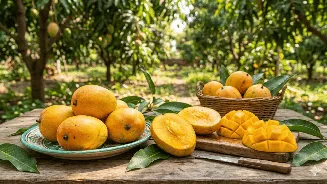
lesser-known varieties, cultivated across the nation's diverse climatic zones from the northern plains to the southern tropics, offer unique sensory experiences and carry significant historical and cultural weight. Exploring these diverse mangoes not only expands our palate but also supports local agricultural practices and preserves a rich heritage. Each variety tells a story, contributing to the intricate mosaic of India's mango legacy, which extends far beyond the universally celebrated Alphonso. Embracing these lesser-known options allows for a deeper appreciation of the fruit's versatility and the agricultural traditions that nurture it.
Distinct Flavors and Textures
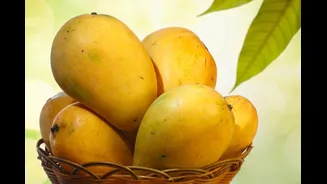
Delving into the specifics, the Langra mango, predominantly cultivated in Uttar Pradesh and Bihar, offers a delightful fibrous texture coupled with a compelling sweet and sour taste. Its distinctive aroma makes it equally suited for fresh consumption and culinary processing. Another noteworthy contender is the Banganapalli, hailing from Andhra Pradesh. This large, golden-yellow mango boasts a subtly sweet flavour profile and is among the earlier varieties available, playing a vital role in India's mango export market. Furthermore, the Kesar mango, affectionately known as the "Queen of Mangoes," presents a vibrant orange hue and an intensely sweet flavour. Its high carotenoid content rivals the Alphonso, contributing to its rich colour and nutritional value, making it a formidable competitor in terms of both taste and health benefits.
Regional Diversity Unveiled
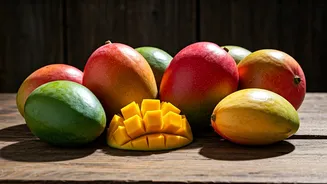
India's varied climate profoundly influences the characteristics of its mangoes, leading to remarkable regional diversity. In West Bengal, the Himisagar mango is celebrated for its incredibly juicy, fiberless flesh, though it possesses a relatively short shelf life. Conversely, the Imam Pasand, originating from Tamil Nadu, is distinguished by its opulent flavour, a harmonious blend of sweetness with a subtle citrusy undertone. Research indicates that India cultivates over a thousand distinct mango varieties, many of which are regional gems that, despite their unique qualities, haven't achieved widespread commercial success. This rich biodiversity, shaped by local environmental conditions and cultivation practices, highlights the extensive genetic pool available within the country.
Why Explore More Mangoes?
Venturing beyond the familiar Alphonso is profoundly important for multiple reasons. These less-explored mango varieties are not only often more flavorful and sustainable to cultivate but also play a critical role in maintaining agricultural diversity. Each mango cultivar possesses its own unique history and lineage. While the Alphonso undoubtedly holds a significant place in India's mango narrative, it represents only a fraction of the complete story. Varieties like the Langra, with origins tracing back centuries, or the Imam Pasand, once favored by Indian royalty, offer glimpses into India's rich past. By broadening our appreciation for the diverse range of mangoes, we gain access to a more expansive understanding of Indian history and culture, celebrating the traditions and regional specialties that make the Indian mango landscape so extraordinary.