






Brain Structure Transformations
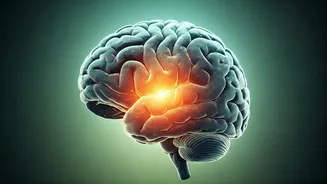
Engaging in mindfulness practices for as little as eight weeks has been scientifically linked to observable changes in brain architecture. Dr. Paloschi
highlights that such programs can lead to an increase in gray matter density within the hippocampus, a brain region crucial for learning and memory formation. Furthermore, this practice influences areas responsible for self-regulation and perspective-taking, suggesting a tangible shift in how individuals process information and manage their internal states. Evidence from MRI studies indicates a direct correlation between a reduction in perceived stress and alterations in the amygdala, the brain's primary hub for processing fear and stress responses. This means that by regularly engaging in meditation, individuals can actively promote a more resilient and adaptive brain, capable of handling stress more effectively and fostering a more stable outlook.
Enhanced Brain Network Synergy
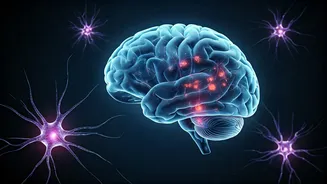
The intricate communication networks within the brain undergo significant improvements with consistent meditation. Research following individuals who underwent a month of mindfulness training revealed a marked increase in connectivity among three key neural networks: the default mode network (DMN), the salience network, and the central executive network. This enhanced synergy suggests a more streamlined flow of information, leading to a mind that is less prone to wandering and significantly more capable of sustained focus. When these networks communicate more effectively, it translates to improved attention spans and a greater ability to concentrate on tasks, essential for both productivity and mental clarity in our demanding daily lives. This isn't just about feeling calmer; it's about making the brain's internal operations more efficient.
Stress Response Modulation
Meditation offers a powerful, non-pharmacological approach to mitigating the body's stress response and curbing emotional volatility. Scientific findings indicate that regular practice helps modulate the activity within limbic circuits, which are deeply involved in emotional processing. Simultaneously, it bolsters regulatory control from frontal brain regions, enabling better management of emotional reactions. This dual action helps individuals become less reactive to stressors, fostering a more stable emotional baseline. Moreover, in scenarios involving pain processing, meditation has been shown to alter brain responses in areas like the insula, anterior cingulate cortex (ACC), and thalamus, effectively reducing the subjective experience of pain. This neuroscientific insight positions meditation as a valuable tool for developing resilience against both psychological and physical discomfort.
Longevity and Brain Health
Beyond immediate benefits, meditation serves as a potent, neuroscience-backed strategy for supporting long-term brain health and longevity. Its practice is associated with reinforcing the brain's inherent resilience against the effects of stress, a known contributor to age-related cognitive decline. Furthermore, consistent engagement with mindfulness leads to improvements in cognitive control, allowing for more deliberate and effective decision-making. It also enhances executive functions, such as sustained attention and working memory accuracy, while simultaneously improving inhibitory control, the ability to resist distractions and impulses. These cumulative effects contribute to protecting the brain from the natural aging process, promoting sharper cognitive abilities and a greater sense of overall well-being well into later life.