




Joha Rice: Assam's Fragrant Gem
Hailing from Assam, Joha rice is a truly special indigenous variety, celebrated for its captivating natural fragrance. Unlike the long grains often associated
with premium rice, Joha grains are small and round, but their aromatic appeal is unparalleled. As it cooks, a sweet, floral scent fills the air, hinting at the delightful taste to come. When prepared, Joha rice becomes wonderfully soft yet remarkably non-sticky, making it a versatile ingredient. This Geographical Indication (GI)-tagged rice is a staple in Assamese households, frequently used to prepare flavorful pulaos, festive dishes, and even sweet concoctions like kheer. While deeply cherished in its home state, Joha rice remains a delightful discovery for many across India, offering a unique sensory experience that elevates everyday meals into something extraordinary.
Gobindobhog: West Bengal's Sacred Grain
In West Bengal, Gobindobhog rice holds a place of deep cultural and spiritual significance, having been cultivated for centuries and intrinsically linked to temple rituals and religious offerings. This tiny, white, rounded grain emanates a warm, buttery aroma, a distinct departure from the lighter, floral notes of Basmati. Its cooked texture is wonderfully soft and moist, lending itself perfectly to a variety of Bengali culinary delights. Gobindobhog is a popular choice for preparing comforting khichuri, celebratory payesh, aromatic pulaos, and essential festive dishes. During important festivals like Durga Puja, meals often feel incomplete without the presence of this traditional rice. The West Bengal government officially recognized and protected the heritage of Gobindobhog rice by awarding it Geographical Indication (GI) status in 2017, ensuring its legacy continues.
Chak-Hao: Manipur's Royal Black Rice
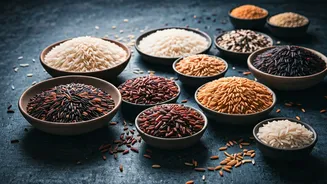
Manipur's Chak-Hao rice is an exceptionally remarkable indigenous variety, distinguished by its striking deep black grains that transform into a rich, dark purple hue upon cooking. Historically, this rice was so highly prized that its consumption was often reserved for royalty and special celebratory events. Its flavor profile offers a delightful combination of subtle sweetness and nuttiness, complemented by a gentle, pleasant aroma. The texture is satisfyingly chewy, making it a textural delight. While it requires a slightly longer cooking time compared to common rice varieties, the exquisite result is well worth the patience. Chak-Hao is famously used to create a naturally vibrant purple dessert, Chak-Hao kheer, and also features in salads and festive meals. Garnering a GI tag in 2020, this 'delicious rice' (as its name translates) is a favorite in Manipur and among health-conscious individuals due to its high antioxidant content.
Mappillai Samba: Tamil Nadu's Stamina Rice
Mappillai Samba rice from Tamil Nadu boasts a captivating name, translating to 'Bridegroom's Rice,' and a fascinating historical anecdote. According to tradition, this red rice was once believed to bestow strength and stamina upon grooms who had to prove their mettle through physical trials before marriage. The grains are a distinct reddish-brown color and possess a considerably tougher texture than conventional polished white rice. Its flavor is characterized by an earthy, nutty profile, and it requires a longer cooking duration. This resilient rice is frequently incorporated into dosa batter, prepared as nourishing porridge, used in idlis, and served as part of traditional Tamil meals. Once facing a decline in popularity, Mappillai Samba has experienced a resurgence as people increasingly value the nutritional benefits of heritage grains.
Kalanamak: Uttar Pradesh's Ancient Aroma
With a legacy stretching back over 2,500 years and a connection to Lord Buddha, Kalanamak rice from Uttar Pradesh is one of India's most ancient indigenous varieties. Legend has it that the seeds of this rice were gifted to local farmers by Buddha himself. Its name, 'black salt,' refers to its dark outer husk. Upon cooking, Kalanamak rice releases a distinct and potent aroma, often likened to the comforting scent of freshly popped popcorn. The grains are short yet yield a fluffy texture. Its delicate and subtly sweet taste makes it an excellent choice for pulaos and simple rice dishes, allowing its unique fragrance to be the star. This fragrant rice variety was once at risk of extinction due to farmers' shift towards high-yield commercial crops but received a GI tag in 2012, safeguarding its future.
Njavara: Kerala's Ayurvedic Rice
Njavara rice, originating from Kerala, carries an esteemed heritage of over 2,000 years of use within Ayurvedic practices. This reddish-hued grain possesses an earthy, somewhat herbal aroma and a distinct flavor profile that is stronger and slightly more bitter than standard rice, often considered an acquired taste. Unlike rice consumed primarily for enjoyment, Njavara is traditionally recognized for its health and wellness benefits. It is commonly prepared as part of Ayurvedic porridges and therapeutic dietary regimens. While highly respected within Kerala for its medicinal properties, Njavara rice is not widely consumed elsewhere. Its unique status as an officially designated medicinal rice variety, recognized for aiding in conditions such as psoriasis, diabetes, and osteoporosis, sets it apart.
Ambemohar: Maharashtra's Mango Blossom Scent
The name Ambemohar, meaning 'mango blossom fragrance,' perfectly captures the essence of this short-grain rice from Maharashtra. It releases a delicate, floral aroma reminiscent of blooming mango trees, offering a softer and more poetic scent than many other rice varieties. This GI-tagged rice is a beloved ingredient in Maharashtrian cuisine, frequently used in popular dishes such as masale bhaat and bhatachi pej, as well as other festive preparations. While it enjoys widespread appreciation across Maharashtra, Ambemohar rice remains a less familiar but highly rewarding discovery for those outside the state, adding a unique fragrant dimension to culinary creations.
Kavuni: Tamil Nadu's Royal Black Rice
Kavuni rice from Tamil Nadu is a striking black variety that was historically reserved exclusively for royalty, with commoners being forbidden to consume it due to its perceived preciousness. This rice offers a rich, nutty sweetness and a satisfyingly chewy texture. It is typically cooked slowly and transformed into traditional sweet dishes, often enhanced with jaggery and coconut. The most renowned preparation is Kavuni Arisi Sweet, a celebrated festive dessert. Unlike the light and fluffy rice many are accustomed to, Kavuni presents a dense and dramatically flavorful experience, making it a standout ingredient for special occasions and rich culinary traditions.