






Silent Liver Threat
Fatty liver disease, once predominantly associated with obesity and older individuals, is now a growing concern among young adults aged 20-35. Doctors
are observing a significant uptick in cases that were previously less common in this age bracket. While excess weight remains a known contributor, health professionals are emphasizing a shift in understanding, pointing towards insidious lifestyle elements that are silently exacerbating the condition. These often-overlooked factors play a crucial role in the accumulation of fat within the liver, potentially impairing its vital functions. This evolving landscape necessitates a broader approach to liver health awareness and prevention strategies targeted at younger demographics.
Hidden Culprits Unveiled
Beyond the widely recognized impact of excess weight, a confluence of modern lifestyle stressors is significantly contributing to the rise of fatty liver in younger populations. Chronic stress, a pervasive element in many young adults' lives due to academic pressures, career demands, and personal challenges, can disrupt metabolic processes and promote fat storage in the liver. Equally concerning is the widespread issue of poor sleep quality and insufficient sleep duration. Inadequate rest compromises the body's ability to regulate hormones and repair itself, indirectly influencing liver health. Coupled with sedentary habits and diets lacking in nutritional balance, these factors create a fertile ground for the development of fatty liver disease, often before individuals recognize any overt symptoms.
Understanding the Disease
Fatty liver disease manifests when an excessive amount of fat accumulates in the liver cells, interfering with the organ's normal operation. In its nascent stages, this condition frequently presents no discernible symptoms, making early detection a challenge. This asymptomatic nature allows the fat buildup to progress unnoticed for a significant period. However, some individuals might experience subtle indicators such as persistent fatigue, a mild, generalized discomfort in the abdominal region, or unintended fluctuations in body weight. Recognizing these early, albeit non-specific, signs is crucial for prompting further investigation and potential intervention before more severe complications arise.
Proactive Health Measures
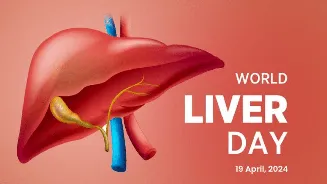
In recognition of World Liver Day on April 19th, experts underscore the critical importance of preventative measures to combat the escalating rates of liver disease, particularly among the youth. They advocate for a multi-faceted approach that extends beyond merely managing weight. Timely and regular health screenings are essential for early identification and intervention. Furthermore, the adoption of simple yet impactful lifestyle modifications is paramount. This includes prioritizing a balanced diet rich in whole foods and nutrients, engaging in consistent physical activity to promote overall health and metabolic balance, and ensuring adequate, restorative sleep. These fundamental changes are vital for safeguarding liver function and preventing long-term damage.